
Light Requirements
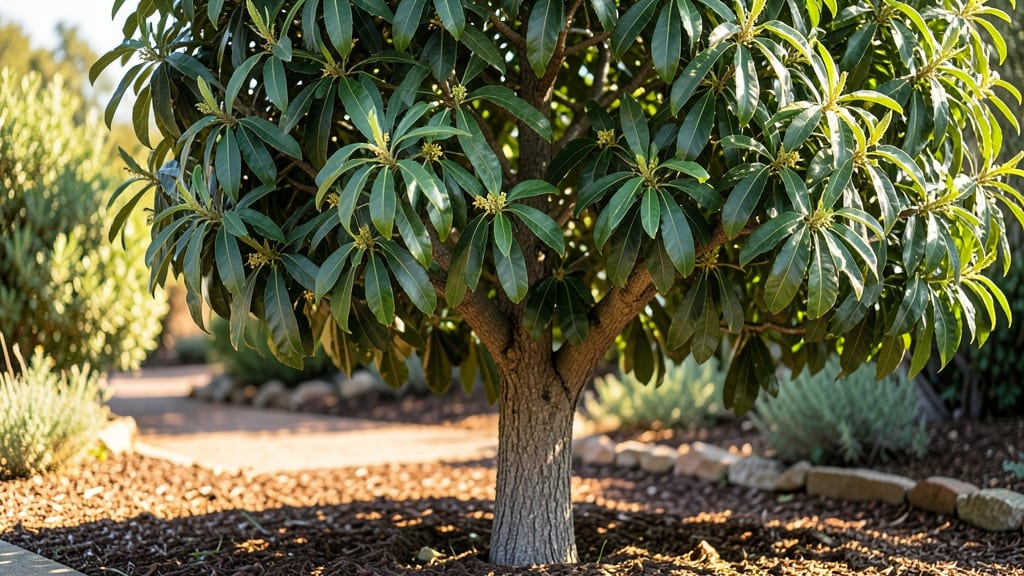
To keep your avocado tree thriving, understanding its sun requirements is key—it needs at least 6 hours of direct sunlight daily, but too much can scorch its leaves, while too little stunts growth and fruit production.
Picture this: your carefully nurtured avocado tree wilts under the midday sun or languishes in a shady corner, its potential wasted. The right balance isn’t just about hours—it’s about timing, location, and even your climate zone.
In this guide, I’ll break down the exact sunlight needs for every growth stage, from seedlings to mature trees, and how to adjust for your region—whether you’re in a warm subtropical area or a cooler temperate zone.
You’ll learn how to spot signs of sun stress, where to place your tree for maximum health, and simple tricks like pruning or shade cloths to keep it happy year-round.


How many hours of sun does an avocado tree need daily?
Avocado trees (Persea americana) thrive in bright, direct sunlight, but their sun requirements change dramatically as they grow. Seedlings need gentle protection, while mature trees demand 6+ hours of full sun daily for optimal fruit production.
Understanding these stages helps prevent sunburn, poor growth, or even tree death—especially in hot climates.
In tropical regions like California or Florida, avocados naturally receive 8-10 hours of sun, but in cooler zones (USDA 9-10), they may need partial afternoon shade to prevent leaf scorch. The key is balancing photosynthesis efficiency with heat tolerance—avocados evolved in Mexico’s cloud forests, where dappled light is common.
Photosynthesis tip: Avocado leaves contain chlorophyll B, which maximizes light absorption in blue-green wavelengths (450-550nm). This means they perform best under direct morning sun and filtered afternoon light, especially in high-heat zones.
For seedlings, I recommend starting with 3–4 hours of morning sun and gradually increasing exposure over 2–3 months. This mimics their natural understory growth in Mexican cloud forests. Use shade cloth (30-50%) if temperatures exceed 85°F (29°C) to prevent irreversible damage.
Young trees (1–3 years) can handle 5–6 hours of direct sun, but avoid placing them in south-facing positions during peak summer (12–3 PM). Instead, position them east-west to capture morning sunlight while shielding from afternoon heat.
In USDA Zone 8 or cooler, afternoon shade is critical to prevent leaf scorch and fruit drop.
Mature avocado trees require 6–8 hours of full sun for optimal fruit production.
In tropical climates (Zones 10–11), they naturally receive 8+ hours, but in subtropical zones (Zones 9–10), afternoon shade during summer months helps maintain leaf health. Fruit development is directly tied to sunlight—trees with <6 hours daily may produce smaller, fewer avocados.
Container-grown avocados are more flexible but still need 4–6 hours of direct sun. Rotate pots quarter-turns weekly to ensure even growth, as they’ll lean toward the light source.
Dwarf varieties like ‘Mexicola’ or ‘Wurtz’ tolerate partial shade better than standard types, making them ideal for urban patios or indoor growing near south-facing windows.
One common mistake is assuming more sun is always better. While avocados love light, excessive heat stress (above 95°F/35°C) can cause leaf drop and fruit abortion. In hot climates, use lightweight shade cloth (20-30%) during midday to protect young trees while still allowing photosynthesis to occur.
To maximize fruit production, position your tree where it receives morning sun (6 AM–12 PM) and filtered afternoon light. This balance ensures high photosynthesis rates without overheating.
For container growers, a south-facing window with 6+ hours of light works well, but supplement with a grow light in winter when daylight shortens.
Pro tip: Monitor your tree’s leaf color—dark green leaves indicate optimal sunlight, while yellowing or brown edges signal too much sun or nutrient deficiencies. Adjust placement accordingly, and your avocado tree will reward you with lush growth and abundant fruit! 🌱☀️
Signs your avocado tree is getting too much or too little sun
Avocado trees thrive in bright, direct sunlight, but their leaves and bark are delicate. When exposed to too much sun, they develop sunburn symptoms like crispy, brown patches. Conversely, insufficient sunlight leads to weak growth, yellowing leaves, and poor fruit production.
I’ve seen both extremes damage even the hardiest trees, so let’s decode the warning signs and how to fix them.
Start by checking the location of your tree. If it’s in a spot with intense afternoon sun (common in southern exposures), watch for signs of heat stress. Young trees and dwarf varieties are especially vulnerable. Mature trees, while more resilient, still show distress when pushed beyond their limits.
⚠️ callout warning
⚠️ Sunlight Overload Alert!
Avocado trees need 6+ hours of sun, but direct midday sun (11 AM–3 PM) can scorch leaves. Symptoms:
- Brown, papery patches on leaf edges
- Curling or crispy leaves
- Premature leaf drop
Fix: Use 30–50% shade cloth in peak sun hours or prune to reduce exposure.
If your tree’s leaves are turning yellow or pale green, it’s likely not getting enough light. This is especially common for indoor avocado trees or those planted under dense shade trees.
Look for stretched, leggy growth—a classic sign the tree is reaching for light. Without adequate sunlight, your tree may produce fewer flowers and even no fruit at all.
For too much sun, focus on protecting the leaves. Install shade cloths (30–50% coverage) during the hottest hours, or relocate potted trees to a morning sun, afternoon shade spot. Prune to thin the canopy, allowing air to circulate and reducing heat stress on the bark.
I’ve had great success with dwarf varieties in containers, where I can move them as needed.
When sunlight is insufficient, the solution is often as simple as relocating the tree. Choose a spot with 6+ hours of morning sun and partial afternoon shade if you’re in a hot climate.
Supplement with a grow light (12–14 hours/day) for indoor trees, positioning it 12–18 inches above the canopy to mimic natural light.
Monitor your tree’s response after adjustments. Healthy leaves should be deep green and glossy, with minimal leaf drop. If you notice new growth and flower buds forming, you’ve hit the sweet spot.
Remember, avocados are sun worshippers—they’ll reward you with lush foliage and delicious fruit when given the right balance.