
Blooming
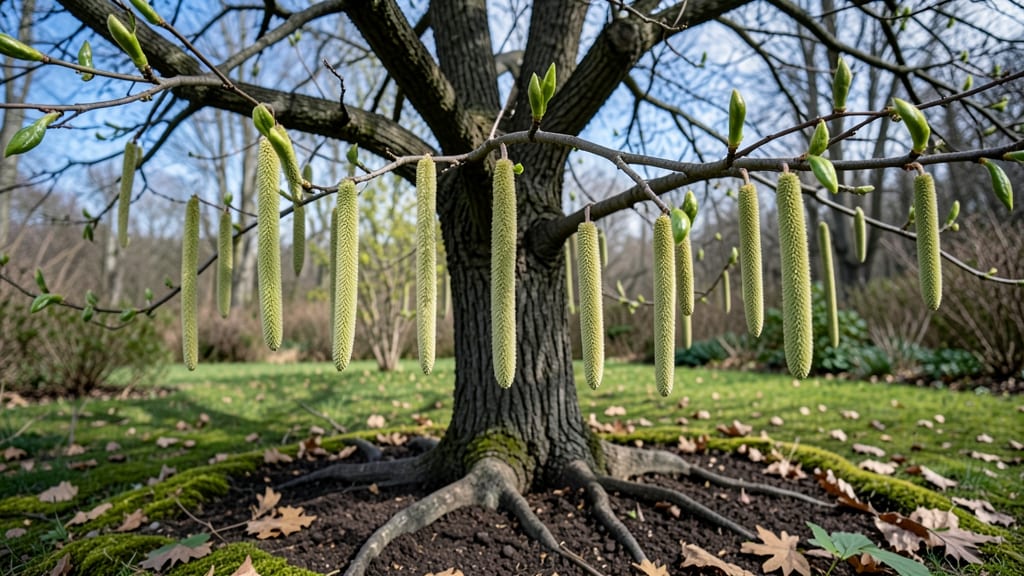
Those fuzzy, golden-brown catkins on chestnut trees aren’t just pretty—they’re the tree’s secret to survival. 🌿 I’ve watched them transform from delicate strands into the tree’s lifeline, and knowing what they mean makes all the difference in caring for your chestnut.
Catkins appear in early spring, dangling like tassels before the leaves even sprout. They’re the male flowers, releasing pollen to fertilize the female flowers (those spiky, less showy structures) that later turn into the nuts we love.
Pruning them back in late winter actually encourages stronger growth—just don’t overdo it, or you’ll stunt next year’s crop. By summer, the catkins fade, but their work is done: the tree is already busy forming next year’s nuts.
The key to keeping your chestnut healthy is timing—prune after they’ve fallen but before new growth starts, and water deeply during droughts to support their energy demands. This isn’t just about identification; it’s about understanding the rhythm of the tree.
Once you recognize the cycle, you’ll spot when something’s off—like no catkins appearing, which could mean stress or disease. Keep an eye out, and your chestnut will reward you for years.
📚 In This Guide
- What you need
- Instructions
- Tips and common mistakes
- Wrapping up and next steps
What you need
- ● Chestnut tree (Castanea spp.) – A healthy, mature tree (preferably Castanea sativa, Castanea dentata, or Castanea mollissima) with visible catkins. Look for trees in parks, forests, or your own backyard! 🌳
- ● Hand lens or magnifying glass – For closely examining catkin structures (5x–10x magnification works best).
- ● Notebook and pen – To record observations like color, size, and growth stages.
- ● Camera or smartphone – For documenting catkins in their natural habitat (high-resolution mode recommended!).
- ● Pruning shears or small scissors – To safely collect catkin samples (sterilize blades with rubbing alcohol if reusing).
- ● Clear plastic bags or paper envelopes – For storing collected catkins (label them with dates!).
- ● Ruler or measuring tape – To document catkin length (typically 2–6 inches long).
- ● Field guide or plant ID app (e.g., iNaturalist or PictureThis) – For double-checking species identification.
- ● Pressing kit – To preserve dried catkins for crafts or further study.
- ● Gloves – If handling trees in areas with potential allergens or pests.
- ● Seedling trays and potting soil – If you’re experimenting with growing chestnut trees from seed (catkins produce nuts, not direct seedlings, but it’s a fun project!).
- ● Microscope – For a super close-up look at catkin anatomy (great for science fair projects!).
How to grow and identify chestnut tree catkins naturally
Here's the straightforward approach I use to spot and nurture these fascinating spring blooms.
🌱 Step 1: Locate Mature Chestnut Trees in Early Spring
Chestnut tree catkins appear on mature trees—look for specimens at least 15-20 feet tall with rough, scaly bark. The best time to spot them is late winter to early spring (February-March), just before the tree leafs out. You'll find them dangling from branches in clusters, looking like tiny, fuzzy yellow or red candles.
I recommend visiting local parks or wooded areas where chestnut trees naturally grow. If you don't have one nearby, consider planting a chestnut tree yourself—American chestnuts (Castanea dentata) or European chestnuts (Castanea sativa) both produce catkins. Just be patient; it can take 5-10 years for a young tree to produce its first catkins.
☀️ Step 2: Observe Catkin Development Through the Seasons
Catkins start as small, tight buds in late winter. As temperatures rise above 40°F, they begin to elongate and unfurl into their distinctive fuzzy, drooping shapes. The male catkins (which produce pollen) are usually longer and more abundant than the female flowers (which develop into chestnuts).
Here's the thing—you don't need to do anything to "grow" catkins. They're a natural part of the tree's reproductive cycle. However, if you want to encourage healthy catkin production, make sure the tree gets plenty of sunlight (6+ hours daily) and well-draining soil. Water deeply once a week during dry spells, but avoid overwatering, as soggy soil can stress the tree.
🌿 Step 3: Identify Catkins and Distinguish Them From Other Tree Flowers
Chestnut catkins are easy to identify once you know what to look for. They're long, cylindrical, and covered in fine hairs, giving them a fuzzy appearance. Male catkins are typically 2-4 inches long and hang in clusters, while female catkins are shorter and fewer in number. Unlike some tree flowers, chestnut catkins don't have petals—they rely on wind to spread pollen.
To distinguish them from other tree flowers, compare them to oak catkins (which are often more rigid and less fuzzy) or willow catkins (which are usually silvery and appear earlier in the year). Chestnut catkins also have a distinctive reddish or yellowish hue when they first emerge, which darkens as they mature.
⏰ Step 4: Time Your Observations for Peak Catkin Season
The best time to observe chestnut catkins is during their peak season, which typically lasts 2-4 weeks in early spring. Start monitoring your tree in late February and continue through March. You'll see the catkins reach their full length and begin to release pollen when temperatures consistently stay above 50°F during the day.
Don't worry if you miss the first wave—chestnut trees often produce a second, smaller flush of catkins later in the spring. If you're trying to photograph or study them, aim for a cloudy day when the catkins are fully unfurled but before the tree fully leafs out. This gives you the clearest view of their unique structure.
🌱 Step 5: Encourage Healthy Growth for Future Catkin Production
If you're growing a chestnut tree with the goal of seeing catkins year after year, focus on maintaining the tree's health. Prune dead or diseased branches in late winter or early spring to encourage new growth. Avoid heavy pruning during catkin season, as this can stress the tree and reduce flower production.
I also recommend fertilizing young chestnut trees in early spring with a balanced, slow-release fertilizer. This gives them the nutrients they need to produce catkins and develop strong, healthy foliage. Mulch around the base of the tree with 2-3 inches of organic mulch to retain moisture and suppress weeds, but keep the mulch a few inches away from the trunk to prevent rot.
Tips & tricks for perfect chestnut tree catkin observation
Real talk: spotting these delicate blooms takes patience and a keen eye. Here's what I've learned after years of watching chestnut trees transform in spring.
Timing is Everything: That 40°F temperature threshold in Step 2 is your green light to start watching closely. I've found that catkins begin unfurling most dramatically on sunny mornings after nights that dip into the 30s—nature's way of signaling spring's arrival. Keep a small notebook handy to record when you first notice buds swelling, as this can vary by 1-2 weeks depending on your local climate. This helps you predict future years' bloom times!
The Lighting Secret: For the clearest photographs or observations, schedule your visits for overcast mornings during that 2-4 week peak season mentioned in Step 4. Direct sunlight creates harsh shadows that obscure the fuzzy texture, while diffused cloud cover brings out their vibrant red or yellow hues. I've taken some of my best shots right after a light rain shower when the catkins appear especially fresh and dewy.
Tree Health Check: When you're evaluating potential trees in Step 1, look beyond just height and bark texture. Healthy catkin production often correlates with vibrant green leaves the previous autumn. I've noticed that trees with 6+ hours of sunlight (as mentioned in Step 2) and no visible fungal growth on their trunks consistently produce the most abundant catkins. If you're planting a new tree, choose a location with southern exposure for maximum sunlight exposure.
Documentation Tip: Create a simple chart to track your observations year after year. Note the exact dates when catkins first appear, reach full length, and release pollen. This creates a baseline for your specific microclimate. I've seen variations of up to 10 days between years in the same location—factors like winter severity and early spring temperatures play surprising roles in timing.
Pro Tips for Chestnut Tree Catkins
- Real talk: spotting these delicate blooms takes patience and a keen eye. Here's what I've learned after years of watc...
- Timing is Everything: That 40°F temperature threshold in Step 2 is your green light to start watching closely. I've f...
- The Lighting Secret: For the clearest photographs or observations, schedule your visits for overcast mornings during ...
Frequently asked questions
about chestnut tree catkins—because even nature’s quirks deserve clarity!What’s the difference between chestnut tree catkins and flowers?
Chestnut tree catkins are actually flower buds—long, fuzzy, and dangling before blooming. True flowers appear later as small, greenish-yellow clusters. Catkins are the tree’s way of packing flowers efficiently for pollination!
When is the best time to spot chestnut tree catkins?
Timing is everything! Look for them in early spring (March–April in most regions), just before leaves sprout. They’re most noticeable when they’re pale yellow and 3–6 inches long. Missed them? Check again in late summer for new growth!
Can I grow chestnut trees from catkins?
Not directly—catkins are sterile (no seeds!). To grow a chestnut tree, you’ll need chestnuts (the spiky fruit) or grafted saplings. Save those fuzzy catkins for ornamental displays or bird feeders instead!
Are chestnut tree catkins toxic to pets?
Generally safe! While not a known pet hazard, ingestion in large amounts might upset stomachs. If your curious pup or cat nibbles, monitor for vomiting or diarrhea. When in doubt, remove catkins from pet-friendly areas.
What if my catkins turn brown or mushy?
Brown/mushy catkins? Likely disease (like anthracnose) or pests. Prune affected branches, sterilize tools, and treat with neem oil or fungicide. Healthy trees bounce back—just give them time!
What’s a good alternative if I can’t find chestnut catkins?
Try hazelnut, alder, or willow catkins—they’re similar in shape and texture! For ornamental appeal, ornamental grasses (like fountain grass) mimic the fuzzy look without the fuss.
Wrapping up and next steps
Chestnut tree catkins are a fascinating and rewarding addition to any garden or natural space! 🌿 Whether you're drawn to their unique appearance, ecological benefits, or the joy of nurturing native plants, growing and identifying them is a fulfilling journey.
Now that you’re equipped with the right knowledge and tools, why not take the next step?
🌱 Your Next Step: Plant and Observe!
Start by sourcing catkins from a trusted local nursery or wild harvest (with care for sustainability). Plant them in well-drained soil, and soon you’ll be rewarded with the rustling beauty of nature’s own decorations.
Keep an eye out for their seasonal transformations—it’s a small but meaningful way to connect with the rhythms of the earth.