
Pruning
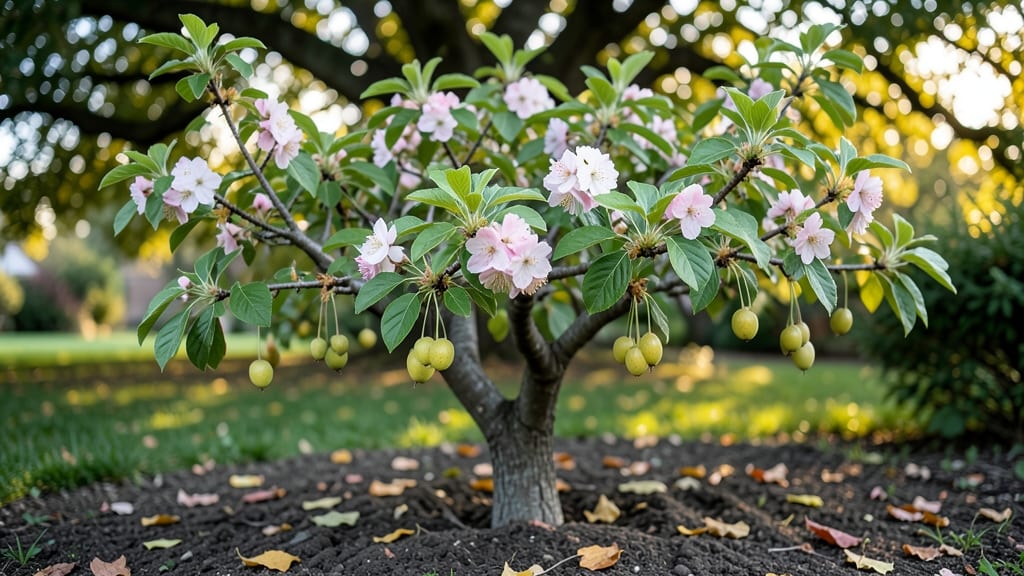
Growing Chickasaw plum trees in Florida means pruning for fruit—and I’ve learned the hard way that timing is everything. 🌱 These native beauties produce sweet, edible plums, but without proper pruning, you’ll end up with a tangled mess instead of a productive tree.
The key is shaping it right from the start so it thrives in our hot, humid climate while resisting pests and drought.
Start pruning in late winter when the tree is dormant but before buds swell—this gives you 3-5 years to establish a strong structure before heavy fruiting begins. Use sharp pruners to remove dead wood, crossing branches, and any growth that crowds the center.
Florida’s heat means you’ll also need to thin out some fruit later in the season to prevent overburdening the tree.
What you’ll end up with is a tree that’s disease-resistant, drought-tolerant, and packed with plums by its fifth year. The birds will love it, your neighbors will envy it, and you’ll have fresh fruit straight from your yard.
Plus, Chickasaw plums are a native powerhouse—supporting wildlife and adding beauty to your landscape.
Works for both backyard orchards and wildscaping projects. Let’s get that tree shaped for success!
📚 In This Guide
- What you need
- Instructions
- Tips and common mistakes
- Wrapping up and next steps
What you need
- ● Pruning shears: Sharp, bypass-style shears (for clean cuts on smaller branches). Must be sterilized with rubbing alcohol to prevent disease.
- ● Loppers: 8–10 inch, ratchet-style loppers for thicker branches (up to 2 inches in diameter).
- ● Pruning saw: Bow or folding saw for branches over 2 inches thick. Look for a 10–12 inch blade with fine teeth.
- ● Gloves: Heavy-duty, gardening gloves (cut-resistant if tackling thorny branches).
- ● Disinfectant: 70% isopropyl alcohol or a 10% bleach solution (1 part bleach to 9 parts water) for sterilizing tools.
- ○ Pruning sealant: Tree wound paint (optional but recommended for cuts larger than ½ inch to prevent disease).
- ● Ladder or step stool: Sturdy, extension ladder (12–16 ft) or a foldable step stool (for smaller trees).
- ● Safety gear: Safety glasses and earplugs (if using a chainsaw for large branches).
- ● Trash bags: Heavy-duty contractor bags (30–50 gallon) for debris removal.
- ● Marking twine or flags: Colored twine or plastic flags to tag branches for removal.
- ● Chainsaw: Gas-powered (for very large branches) with a 14–16 inch bar.
- ● Pole saw: Extendable pruning saw (for high branches without a ladder).
- ● Tree pruning rope: Nylon rope (½ inch thick) to lower heavy branches safely.
- ● Grafting tape: Plastic or rubber to secure grafts (if propagating new trees).
- ● Pruning guidebook: A Florida-specific reference like “Pruning for Florida Fruit Trees” for advanced techniques.
- ● Timing: Prune in late winter or early spring (February–March in Florida) to avoid stressing the tree during fruiting season.
- ● Weather check: Choose a dry, overcast day to prevent sap bleeding and fungal growth.
- ● Tree health: Ensure the tree is 3–5 years old (younger trees need minimal pruning).
- ● Safety first: Wear closed-toe shoes and avoid pruning near power lines.
Step-by-step pruning for your Chickasaw plum tree in Florida
Here’s how to shape your young tree for strong growth and fruit—Florida’s heat and humidity demand smart pruning.
✂️ Step 1: Prune Newly Planted Trees in the First Year
When you bring your Chickasaw plum home, focus on establishing a sturdy structure. Cut back any damaged or crossing branches with clean, sharp pruners—this prevents disease and encourages upward growth. Aim to remove about one-third of the tree’s height during the first year, leaving 4-6 main scaffold branches spaced evenly around the trunk. These branches should start 12-18 inches apart and grow at 45-degree angles for stability.
Watch for water sprouts—those fast-growing, vertical shoots that steal energy. Snip them off at the base immediately. Florida’s humidity loves these weak branches, so don’t let them linger. Prune in late winter (January-February) when the tree is dormant but before new growth starts. You’ll see fresh, green buds forming within weeks—that’s your sign the tree is responding well.
🌿 Step 2: Shape and Thin Branches in Years 2-3
By year two, your Chickasaw plum should have a clear framework. Now, focus on thinning out rather than just cutting back. Remove any branches growing inward or rubbing against others—these will create wounds and invite pests. Use your pruners to make cuts just outside the branch collar (the swollen area where the branch meets the trunk). This ensures the tree heals cleanly.
Leave 6-8 main branches total, pruning back any that grow too close together. Florida’s intense sun can scorch new growth, so avoid heavy pruning in summer. Instead, do a light shaping in late winter and a second session in early spring (March) if needed. You’ll notice thicker, sturdier branches by summer—this means your tree is building the structure it needs for fruit production.
☀️ Step 3: Encourage Fruit Production in Years 4-5
Once your tree is 4-5 years old, shift your focus to fruit-bearing branches. Prune to open the canopy so sunlight reaches the center—this is where most of the fruit sets. Remove any dead, diseased, or weak wood, cutting back to healthy tissue. For branches with fruit, trim just above a bud that faces outward to keep the tree balanced and productive.
Florida’s climate can lead to excessive vegetative growth at the expense of fruit, so prune lightly in late winter and again after harvest (late spring) to encourage new flower buds. You’ll see clusters of small, green fruit forming in early spring—that’s your reward for patient pruning. Avoid pruning during bloom time (February-March) unless absolutely necessary, as you risk reducing next year’s crop.
⏰ Step 4: Maintain and Monitor Yearly
Every year after, do a light maintenance prune in late winter (January-February) to remove dead wood, water sprouts, and crossing branches. Florida’s storms can damage limbs, so check your tree after heavy winds or rain. If a branch breaks, prune it back to the branch collar immediately to prevent disease.
Watch for suckers—those aggressive shoots growing from the base or along the trunk. Cut them off at the ground level as soon as you spot them. A well-pruned Chickasaw plum in Florida should have open, airy branches with plenty of sunlight reaching the center. By year 5, you’ll start seeing consistent fruit production, and with proper care, your tree will thrive for decades.
Tips & tricks for pruning your Chickasaw plum tree in Florida
Florida’s unique climate means pruning your Chickasaw plum requires special attention. Here’s what I’ve learned from years of working with these trees in the Sunshine State.
Timing is Everything: The late winter (January-February) window is critical because it gives your tree time to heal before Florida’s growing season kicks in. I’ve seen trees struggle when pruned too early—buds form too soon and get damaged by late frosts. If you miss this window, wait until after bloom time (March) to avoid cutting off next year’s fruit. The key is to prune just as buds begin to swell but before they burst open.
Tool Prep Prevents Problems: Florida’s humidity creates the perfect environment for fungal infections, so sterilize your pruners between cuts using rubbing alcohol or a bleach solution (1 part bleach to 9 parts water). I always clean my tools before and after pruning to prevent spreading disease. Also, make sure your pruners are sharp—dull blades tear bark, creating larger wounds that heal poorly in our warm climate.
Visual Cues for Perfect Cuts: When pruning in Step 2, look for the branch collar—the swollen area where the branch meets the trunk. Cut just outside this collar to encourage faster healing. For scaffold branches in Step 1, aim for that 45-degree angle—this creates strong attachment points that won’t snap in Florida’s occasional storms. If you’re unsure, take a photo of your tree’s structure before pruning to reference later.
Storm Damage Recovery: After Florida’s frequent summer storms, check your tree immediately for broken branches. Prune back to the branch collar and seal larger wounds with pruning sealant. I’ve seen many trees lose limbs during hurricanes—don’t wait until spring to address storm damage. The sooner you prune out broken wood, the faster your tree can heal and redirect energy to fruit production.
Pro Tips for Chickasaw Plum Tree Florida
- Florida’s unique climate means pruning your Chickasaw plum requires special attention.
- Timing is Everything: The late winter (January-February) window is critical because it gives your tree time to heal before Florida’s growing season kicks in.
- Tool Prep Prevents Problems: Florida’s humidity creates the perfect environment for fungal infections, so sterilize your pruners between cuts using rubbing alcohol or a bleach solution (1 part bleach to 9 parts water).
Frequently asked questions
Got questions about growing and pruning Chickasaw plum trees in Florida?
Here are some of the most common ones—plus expert answers to help you nurture a thriving tree and maximize your fruit harvest!
How long does it take for a Chickasaw plum tree to bear fruit in Florida?
A healthy Chickasaw plum tree typically starts producing fruit in 3–5 years after planting, depending on growing conditions, soil quality, and proper pruning. In Florida’s warm climate, you may see earlier fruiting—sometimes as soon as 2 years—if the tree is well-cared for. Patience pays off, though, as older trees yield more consistently!
When is the best time to prune a Chickasaw plum tree for fruit production?
Prune your Chickasaw plum tree during late winter or early spring (February–March in Florida), just before new growth begins. Avoid heavy pruning in summer or fall, as this can stress the tree and reduce fruit set. Focus on removing dead, diseased, or crossing branches while shaping the tree to improve airflow and sunlight exposure.
Can Chickasaw plum trees survive Florida’s heat and humidity?
Chickasaw plums are highly adaptable to Florida’s climate, thriving in heat and humidity when planted in well-draining soil and given full sun (6+ hours daily). However, they prefer slightly acidic to neutral soil (pH 6.0–7.0). If your soil is heavy clay, amend it with compost to prevent root rot—a common issue in Florida’s wetter seasons.
What should I do if my Chickasaw plum tree isn’t fruiting after 5 years?
If your tree isn’t producing fruit after 5 years, check these common issues:
- Poor pollination: Chickasaw plums are self-pollinating but benefit from cross-pollination. Plant a second tree nearby if possible.
- Over-pruning: Heavy pruning can reduce flowering. Stick to light shaping and avoid cutting back more than 25% of the canopy at once.
- Nutrient deficiencies: Florida’s sandy soils may lack nitrogen or phosphorus. Fertilize in early spring with a balanced 10-10-10 formula.
- Pest/disease stress: Inspect for aphids, scale, or fungal issues (like powdery mildew) and treat early.
If problems persist, consult your local UF/IFAS Extension office for a soil test and tailored advice!
Are there any Florida-friendly alternatives to Chickasaw plum trees?
If you love plums but want other low-maintenance, Florida-adapted options, consider:
- Seminole plum (Prunus angustifolia): Drought-tolerant and cold-hardy, with similar fruit.
- Cherimoya (Annona cherimola): A tropical fruit tree that thrives in South Florida’s microclimates.
- Loquat (Eriobotrya japonica): Evergreen, fruit-bearing, and resistant to hurricanes.
- Fig trees (Ficus carica): Fast-growing, shade-providing, and prolific in Florida.
Each has unique care needs, but all offer edible rewards with minimal fuss!
Wrapping up and next steps
Growing a Chickasaw plum tree in Florida is a rewarding journey that pays off with delicious fruit in just a few years—if you prune it right! 🌱 With the right tools, timing, and techniques, you’ll set your tree up for a lifetime of abundance.
Now that you’re armed with the know-how, there’s no better time to roll up your sleeves and get pruning!
Your next step? Mark your calendar for late winter or early spring, grab your pruners, and give your Chickasaw plum tree the care it deserves. Happy pruning—and here’s to a harvest full of sweet, juicy plums! 🍑✨