
Planting
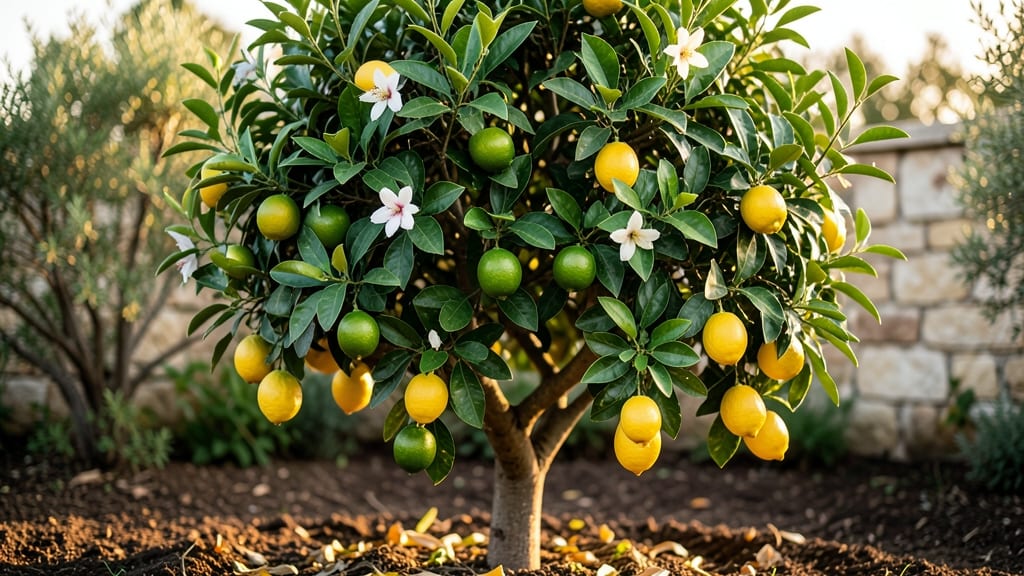
Proper citrus tree spacing is the foundation for a thriving orchard 🍊—whether you’re growing dwarf lemons or full-sized grapefruits, getting this right means bigger harvests and healthier trees.
Struggling with citrus tree spacing can mean the difference between a thriving orchard and stunted, disease-prone trees—yet most gardeners get this critical detail wrong. Too close, and your trees compete for sunlight and nutrients; too far apart, and you waste precious yard space.
In this guide, I’ll break down the exact spacing rules for standard and dwarf varieties, how sunlight zones change the math, and the sneaky tricks for container growing that keep your trees productive without overcrowding.
You’ll learn how to adjust for your climate, avoid common mistakes that invite pests, and even squeeze more trees into small spaces—without sacrificing fruit quality. Let’s get started.
Optimal citrus tree spacing by sunlight zone and tree type
Citrus trees thrive when given the right amount of space to grow strong roots and capture sunlight—yet many gardeners underestimate how much room these trees truly need.
The sunlight zone where you plant your citrus makes all the difference: full-sun varieties like Valencia oranges demand more breathing room than shade-tolerant Meyer lemons. Even a few feet too close can lead to stunted growth, pest infestations, and reduced fruit production.
For example, a standard grapefruit tree can spread its canopy 15–20 feet wide at maturity, while its roots extend even further underground. Planting one too close to another creates a battleground for nutrients and sunlight, weakening both trees.
Meanwhile, dwarf varieties like Calamondin oranges stay compact but still need proper spacing to avoid root competition and disease spread.
In full-sun zones (8+ hours of direct sunlight daily), citrus trees perform best when planted 15–30 feet apart, depending on the variety. For instance, Valencia oranges and grapefruits need the most room—20–30 feet—because their large canopies and extensive root systems demand ample space to thrive.
Even in these zones, dwarf varieties can be spaced 50% closer (e.g., 8–12 feet for dwarf oranges), but they still require proper airflow to prevent fungal diseases like citrus canker.
Partial-shade zones (4–6 hours of sunlight) are trickier for citrus. Varieties like Meyer lemons and Kaffir limes tolerate lighter conditions but still need 12–18 feet of spacing to avoid competition. The key is to plant them where they receive morning sun and afternoon shade, as direct afternoon
How to adjust citrus spacing for high-density orchards and containers
When space is limited—whether in an urban backyard or a greenhouse—proper citrus tree spacing becomes a game-changer for yield and health. Crowded trees compete for sunlight, water, and nutrients, leading to smaller fruit and higher disease risk.
The key is balancing density with airflow and root development, especially when growing dwarf varieties or in containers.
For high-density orchards, I recommend starting with dwarf rootstock (like Swingle citrumelo) to slash mature size by 50–70%. This lets you fit more trees in tight spaces while maintaining productivity. In containers, the rules shift entirely—container size and pruning techniques become your best tools for compensating for reduced spacing.
5 Pro Tips for Compact Citrus Planting
- 1 Use dwarf rootstock (e.g., Swingle citrumelo) to reduce mature size by 50–70%. Example: A standard grapefruit tree needs 25 ft; a dwarf on this rootstock fits in 10 ft.
- 2 Implement espaillage pruning (spreading branches horizontally) to increase canopy width without extra spacing. Works best for lemons and limes; prune in late winter.
- 3 Choose container sizes based on variety—lemons thrive in 10+ gallons, while grapefruits need 20+ gallons. Use fabric pots for better root aeration if repotting annually.
- 4 Install drip irrigation with emitters to deliver water directly to root zones, critical when trees are crowded. Prevents fungal diseases (e.g., citrus greening) that thrive in high-humidity, tight spaces.
- 5 Rotate containers every 2–3 years to prevent root circling and ensure even sunlight exposure. Avoid permanent shade from taller trees in the rotation.
In greenhouse setups, vertical trellising is a game-changer. Train dwarf citrus varieties like Meyer lemons or Calamondin oranges along walls or wire frames to save floor space.
This method also improves air circulation, reducing humidity-related diseases like citrus canker. Just ensure your trellis supports the tree’s weight when laden with fruit.
Soil management is equally critical in high-density planting. Amend the soil with organic matter like compost or worm castings to improve drainage and nutrient retention. In containers, I swear by a 50/50 mix of cactus/succulent soil and perlite to prevent compaction.
Mulch with straw or wood chips to retain moisture and suppress weeds, which compete for resources.
For urban gardening, prioritize microclimate awareness. Place containers near south-facing walls to maximize sunlight, but avoid reflective surfaces that can scorch leaves. If you’re growing multiple trees, stagger their planting dates to prevent floral competition—when all trees bloom simultaneously, they exhaust resources and drop fruit.
Finally, monitor your trees closely for signs of stress, like yellowing leaves or stunted growth. These often signal overcrowding or poor spacing. Adjust by pruning back aggressive branches or repotting into larger containers if needed.
With these strategies, you can turn even the smallest space into a productive citrus grove! 🌱