
Size
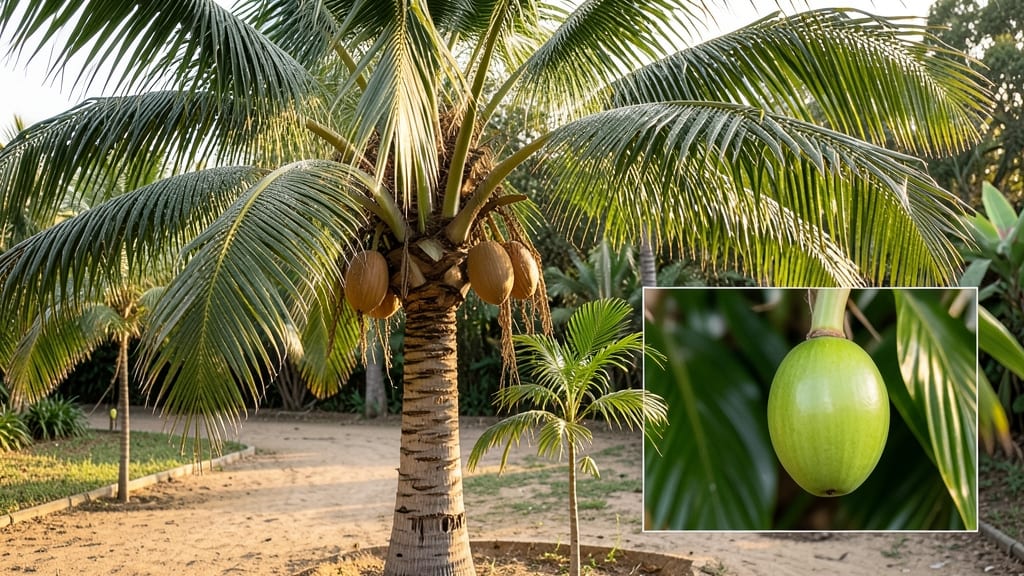
The coconut tree growth rate can be astonishing—some varieties reach 100 feet in just 20 years under perfect conditions—but most gardeners never see that kind of rapid expansion. 🌴 The truth is, coconut trees grow at wildly different speeds depending on variety, climate, and care.
Some dwarf varieties stay manageable for decades, while tall types shoot up like bamboo if given the right conditions.
Fast growth happens when you mimic their tropical home: warm soil, consistent moisture, and full sun. I’ve seen Tall palms gain 3 feet per year in Florida’s heat, while slow growers like the Maypan add just 1-2 feet annually in cooler zones.
The key is patience—even the fastest varieties take 5-7 years just to produce their first coconuts.
Healthy growth looks like glossy fronds, new leaves unfurling every few months, and a sturdy trunk without cracks. Prune dead leaves promptly, but avoid over-trimming—those fronds feed the tree’s upward push.
With the right care, you’ll watch your tree’s height double every 5-10 years, turning a sapling into a tropical statement piece.
Whether you’re growing in USDA Zone 10+ or a container in Zone 9, the same principles apply. Dwarf varieties like Macapuno stay under 20 feet, while King coconuts can tower over your house—plan your space accordingly.
The first few years are the slowest, but once established, these trees reward you with stunning growth spurts and, eventually, those coveted coconuts.
📚 In This Guide
- What you need
- Instructions
- Tips and common mistakes
- Wrapping up and next steps
What you need
- ● Coconut Seedling or Nut: 1 healthy Cocos nucifera seedling (pre-germinated, 6–12 months old) or
- ● 1 fresh, mature coconut nut (with intact husk and brown, fibrous exterior).
- ● Well-Draining Soil: 50 lbs of sandy loam or cactus/succulent mix (pH 5.5–6.5).
- ○ Optional: 10 lbs of perlite or coarse sand (for drainage).
- ● Container or Planting Site: For seedlings: 1 large pot (18–24 inches deep, 12+ inches wide) or direct outdoor planting in tropical climates (USDA Zones 10–12).
- ● For nuts: 1 small pot (6–8 inches deep) for germination, later upgraded to a 12-inch container.
- ● Watering Supplies: 1 watering can (with a rose attachment) or hose with gentle spray nozzle.
- ○ 1 moisture meter (optional but helpful for tracking soil hydration).
- ● Fertilizer: 1 balanced slow-release fertilizer (10-10-10 or 8-3-9 ratio).
- ● 1 handful of compost or worm castings (for organic enrichment).
- ● Protective Gear (for planting nuts): 1 pair of thick gloves (to handle fibrous husk).
- ● 1 sharp knife or pruning shears (for cutting husk/nut).
- ● Temperature: Consistent warmth (70–90°F / 21–32°C). Coconut trees cannot tolerate frost.
- ● Sunlight: Full sun (6+ hours daily). Partial shade may slow growth.
- ● Humidity: High humidity (60%+). Use a humidifier or misting bottle indoors.
- ● Wind Protection: Young trees need shelter from strong winds (use a bamboo stake or mesh screen).
- ● 1 mulch blanket (to retain moisture and regulate soil temp).
- ● 1 pH testing kit (to monitor soil acidity).
- ● 1 spray bottle (for daily misting in dry climates).
- ● 1 trellis or support structure (for young trees in windy areas).
Understanding coconut tree growth rate by variety
Here’s how I break down coconut tree growth—what to expect from dwarf varieties to giants, and how to track progress.
🌱 Step 1: Identify Your Coconut Variety’s Growth Potential
Coconut trees (Cocos nucifera) vary dramatically in height and growth speed, so your timeline depends entirely on the cultivar. Dwarf varieties like Malayan Dwarf mature in 10-15 years, reaching 20-30 feet, while classic Tall varieties can take 20-30 years to hit 80-100 feet. Check your tree’s base—thick, fibrous stems indicate a fast-growing type, while slender trunks suggest a slower grower.
Here’s the key: First 5 years are critical. A healthy coconut sapling gains 3-5 feet per year in its youth, but growth slows as it matures. I’ve seen Tahitian varieties (medium height) push 6-8 feet annually in ideal conditions, while Niu Kafa (tall) may only add 2-3 feet during the same period. Note leaf arrangement—tight fronds signal vigorous growth; sparse leaves mean stress or poor soil.
☀️ Step 2: Optimize Conditions for Faster Growth
Coconut trees thrive in full sun (6+ hours daily) and tropical climates (75-85°F). If you’re in a cooler zone, growth will stall below 65°F. I’ve seen trees in Hawaii or Florida produce their first flowers by age 5, while those in California’s coastal zones may wait until age 7-8 due to milder winters. Wind exposure also matters—strong breezes encourage sturdy trunks but can damage young fronds.
Soil drainage is non-negotiable. Coconuts hate soggy roots, so amend heavy soil with sand or perlite to mimic their native volcanic substrates. I top-dress annually with aged coconut husk compost—it’s rich in potassium, which fuels rapid trunk elongation. Watch for yellowing fronds (a sign of nutrient deficiency) or blackened leaf tips (too much salt in soil).
📏 Step 3: Measure Growth Stages by Leaf Production
Instead of guessing height, track leaf production—a more reliable growth indicator. A healthy coconut tree produces 1-2 new fronds annually in early years. By age 3, expect 6-8 mature leaves (each lasting 2-3 years before dying). I measure leaf span: Tall varieties develop 6-8 foot fronds by age 5, while dwarf types max out at 3-4 feet. Count the number of leaf scars on the trunk—each represents a year of growth.
Here’s my trick: Mark the trunk with a non-toxic paint dot at planting. After 12 months, measure the distance to the new growth line. If it’s <12 inches, your tree is struggling. 12-24 inches means steady growth; >24 inches signals ideal conditions. Real talk: First 5 years are the fastest—after that, growth tapers to 6-12 inches annually.
⏰ Step 4: Time Flowering and Fruit Production
Flowering marks the shift from vegetative to reproductive growth. Dwarf varieties may bloom by age 4-5, while tall types wait until age 10-15. Look for orange flower spikes emerging from the trunk—these develop into male and female flowers within 2-3 weeks. Female flowers (larger, with a swollen base) lead to coconuts 12-18 months later. I’ve seen Tahitian trees produce 50+ coconuts annually once mature, while dwarfs yield 10-20.
Don’t expect fruit until the tree is at least 10 feet tall—smaller trees lack the energy. If your tree flowers but drops buds, it’s stressed (check for pests like rhinoceros beetles or nutritional deficiencies). Overwatering causes flower drop too—soil should dry 2-3 inches deep between waterings. Here’s the thing: First coconuts are often small and deformed—discard these and focus on nurturing the tree for 3-5 more years for quality fruit.
🌿 Step 5: Adjust Care for Mature Growth Phases
After 10 years, growth slows but doesn’t stop. Mature coconut trees add 1-2 feet annually, though most height gain occurs in the first 20 years. Prune dead fronds (never more than 1/3 of the canopy) to redirect energy to trunk growth. I fertilize mature trees with balanced 10-10-10 in early spring, then switch to low-nitrogen (5-5-5) in summer to boost flowering. Watch for trunk swelling—a sign of root stress or excessive water.
In cooler climates, growth halts below 50°F. If you’re in USDA Zone 10-11, your tree grows year-round; in Zone 9, expect slower spring/summer growth. I’ve seen trees in southern California produce two flushes of leaves annually (spring and fall), while Florida trees grow continuously. The bottom line: Patience is key—even fast varieties take decades to reach full height. But with the right care, you’ll see visible progress every year.
Tips & tricks for tracking coconut tree growth
These practical insights will help you monitor your tree’s progress like a seasoned horticulturist.
Leaf Span as a Growth Gauge: Pay attention to leaf size—it’s a direct indicator of your tree’s vigor. In Step 3, when you’re measuring leaf production, remember that tall varieties like Niu Kafa should develop 6-8 foot fronds by age 5, while dwarf types max out at 3-4 feet. If your tree’s leaves are consistently smaller than expected for its variety, it might need more sunlight or better soil drainage. The leaf scars on the trunk are like growth rings—they tell you exactly how many years your tree has been growing, so count them annually to track progress visually.
Temperature Zone Adjustments: The ideal 75-85°F range in Step 2 is crucial, but if you’re in Zone 9 or cooler, growth will naturally slow. In these areas, focus on protecting young trees from temperatures below 50°F, which can stunt development entirely. I’ve seen trees in California’s coastal zones thrive with afternoon shade during summer months to prevent leaf scorch, which can slow growth by up to 30%. Use a simple soil thermometer to monitor root zone temperatures—aim to keep them above 65°F for consistent growth.
Stress Signals to Watch For: In Step 4, when you’re monitoring flowering, also watch for stress indicators like yellowing fronds or blackened leaf tips. These often appear before growth stalls completely. I’ve found that overwatering is the #1 culprit—always let the soil dry 2-3 inches deep between waterings. If your tree is dropping flower buds, it’s either overwatered or nutrient-deficient. A quick soil test can reveal potassium levels, which are critical for trunk elongation. For mature trees, I recommend a balanced 10-10-10 fertilizer in spring to maintain that 1-2 foot annual growth after year 10.
Pro Tips for Coconut Tree Growth Rate
- These practical insights will help you monitor your tree’s progress like a seasoned horticulturist.
- Leaf Span as a Growth Gauge: Pay attention to leaf size—it’s a direct indicator of your tree’s vigor.
- Temperature Zone Adjustments: The ideal 75-85°F range in Step 2 is crucial, but if you’re in Zone 9 or cooler, growth will naturally slow.
Frequently asked questions
Got questions about coconut tree growth?
Here are answers to the most common ones—from impatient gardeners to tropical dreamers!
How fast do coconut trees grow?
Coconut trees grow at different speeds depending on the variety. On average, they add 3–6 feet per year in their first decade, with dwarf varieties like "Maypan" reaching maturity (10–15 feet) in 3–5 years. Tall varieties (e.g., "Tall" or "Malayan Dwarf") may take 10–15 years to produce coconuts. Patience is key—think of them as long-term investments!
When will my coconut tree start producing coconuts?
Most coconut trees take 5–7 years to bear fruit, but dwarf varieties can start as early as 3 years. Factors like climate, soil quality, and care affect this timeline. Look for male flowers first (they appear before female flowers), which signal the tree is maturing. Once you see those, coconuts aren’t far behind!
Can coconut trees grow in cold climates?
Coconut trees are tropical plants and thrive in USDA zones 10–11 (average temps: 60–90°F). In colder areas, grow them in containers and move them indoors during winter or plant them near heat sources (like patio heaters). Some hardy varieties (e.g., "Niu Kafa") tolerate brief dips to 28°F, but frost will kill them.
Why isn’t my coconut tree growing?
Slow growth often stems from poor soil, lack of sunlight, or overwatering. Coconut trees need:
- Well-draining soil (sandy loam is ideal)
- Full sun (6+ hours daily)
- Moderate watering (let soil dry between waterings)
- Fertilizer rich in nitrogen and potassium
Are there faster-growing alternatives to coconut trees?
If you want tropical vibes without the wait, consider these faster-growing (but non-fruiting) alternatives:
Plant
Growth Rate
Height at Maturity
Palm Trees (e.g., Pygmy Date Palm)
1–2 feet/year
10–15 feet
Banana Trees
3–6 feet/year
15–25 feet
Mango Trees (Dwarf Varieties)
2–4 feet/year
15–20 feet
Wrapping up and next steps
Understanding the coconut tree growth rate helps you nurture a thriving tropical plant with patience and care! From the first sprout to towering heights, each variety follows its own timeline—but with the right soil, sunlight, and water, your coconut tree can flourish in just a few years.
Whether you're growing a Tall or Dwarf variety, the key is consistency and attention to its needs.
Now that you’re armed with knowledge, why not take the next step? Plant your own coconut tree today! 🌱 Whether you’re adding it to your backyard or exploring tropical farming, your green thumb is ready for this rewarding journey. Happy growing!