
Trees
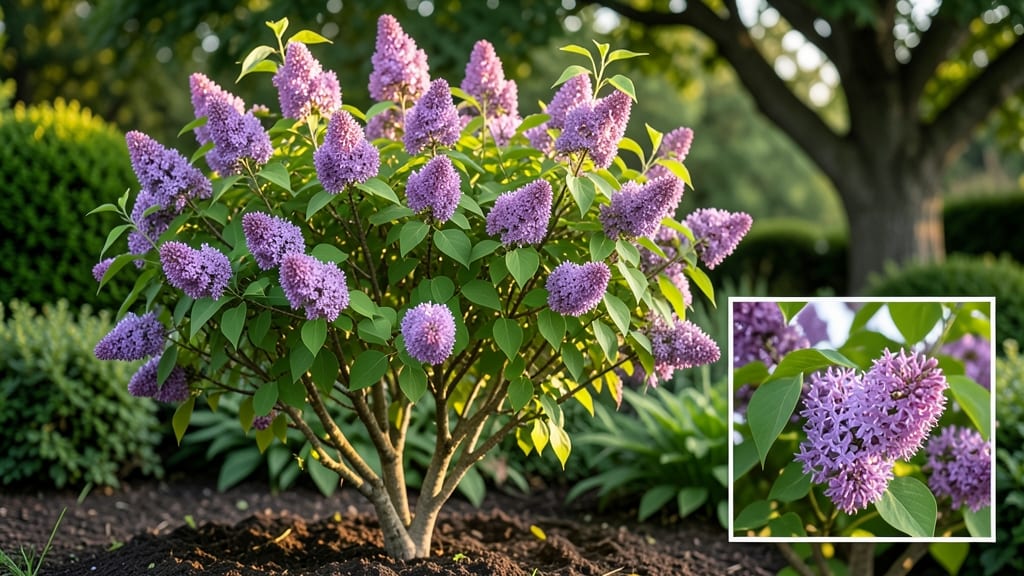
The lilac tree growth rate depends on variety, care, and climate—but most reach 6–8 feet in just 3 years with the right conditions. Ever imagined a fragrant purple canopy in your backyard? It’s closer than you think, but some varieties take decades to reach their full height.
If you’ve ever planted a lilac and wondered why it’s growing slower than expected, the answer likely lies in soil, sunlight, or pruning habits. Miss Kim lilacs, for example, grow 3–4 feet per year in ideal conditions, while standard types like 'Katherine Havemeyer' can take 10+ years to hit their full 12–15-foot height.
Here’s the good news: with the right soil pH (6.0–7.0), full sun, and a little pruning know-how, you can double that growth rate. We’ll break down which varieties grow fastest, how to spot slow growth, and the simple tricks to get your lilac 🌸 thriving sooner.
Ready to turn your lilac from a slow starter into a showstopper? Let’s dive into the secrets behind fast growth—so you can enjoy those intoxicating blooms in half the time.


Lilac tree growth rate by variety: fastest to slowest growing types
If you're planning to add a lilac tree to your backyard garden, one of your biggest questions is likely: how fast will it grow? The answer depends entirely on the variety you choose, as some lilacs shoot up like rockets while others take their sweet time.
From the towering 'Katherine Havemeyer' to the compact 'Miss Kim', growth rates can vary by 50% or more—so let's compare the fastest growers to the slowest to help you pick the perfect fit for your space and timeline.
Most lilacs reach their mature height between 5 to 20 years, but their first few years are where the real differences show up. Fast-growing varieties can add 2 to 3 feet per year in their youth, while slower growers might only gain 6 to 12 inches annually.
Understanding these growth patterns helps you set realistic expectations—whether you're planning a privacy screen or just want quick fragrance.
Here’s the key takeaway: Soil quality, sunlight exposure, and proper pruning can accelerate growth by up to 30% in ideal conditions, but the variety you choose sets the foundation. Let’s dive into the fastest-growing lilacs first—these are the varieties that’ll have you smelling those sweet blooms in record time.
The 'Katherine Havemeyer' variety is the undisputed growth champion, often reaching 10 feet in just 5 years with ideal care. This makes it perfect if you're looking for a quick privacy screen or a dramatic focal point in your landscape design. However, its rapid
How to speed up lilac tree growth: soil, sun, and pruning secrets
Want your lilac tree to burst into fragrant blooms faster? The secret lies in creating the perfect growing conditions. These trees thrive when given the right mix of sunlight, well-draining soil, and strategic pruning techniques.
With the right approach, you can see noticeable growth within just a few seasons—rather than waiting years for that dreamy purple canopy.
From adjusting your soil pH to mastering the art of pruning, small changes make a big difference in your lilac's growth rate. Let's explore the key factors that will help your tree grow taller, fuller, and more vibrant in record time.
The best part? Most of these techniques require minimal effort but yield maximum results.
- 1 Soil pH 6.0–7.0: Test your soil and amend with lime (to raise pH) or sulfur (to lower it). Lilacs hate alkaline soil—aim for this neutral range to unlock faster growth.
- 2 Full sun (6+ hours): Plant in the sunniest spot possible. Even partial shade slows growth by 30%. South-facing locations work best in northern climates.
- 3 Prune after flowering: Cut back 1/3 of old wood in late summer to encourage new growth. Never prune in fall—it reduces next year's blooms.
- 4 Fertilize in early spring: Use a balanced 10-10-10 fertilizer. Over-fertilizing causes weak stems—stick to 1 cup per 10 sqft.
Let’s start with the foundation: soil quality. Lilacs despise soggy roots, so amend heavy clay with compost or sand to improve drainage. A simple soil test will reveal if your pH needs adjustment—most garden centers offer this service for under $20.
Once you’ve got the right balance, your tree will reward you with 2–3 feet of growth per year instead of struggling along at 1 foot.
Don’t overlook the power of morning watering. Deep watering once a week (rather than daily shallow drinks) encourages deep root growth. Mulch around the base with 2–3 inches of organic material to retain moisture and keep roots cool.
This small step can boost growth by 20–30% in the first year by reducing stress.
Timing is everything when it comes to pruning. Wait until after the blooms fade in late spring or early summer. Cut back dead or crossing branches first, then shape the tree by removing up to 1/3 of the oldest wood.
Avoid heavy pruning in fall—it signals the tree to focus on new growth instead of storing energy for winter. A well-pruned lilac can add 6–12 inches of height annually.
Finally, resist the urge to move your lilac once planted. These trees establish deep roots and hate being transplanted. If you must relocate, do it in early spring before new growth begins.
With these care secrets, your lilac could reach mature height in half the usual time—just imagine those fragrant blooms filling your garden sooner!