
Fertilization
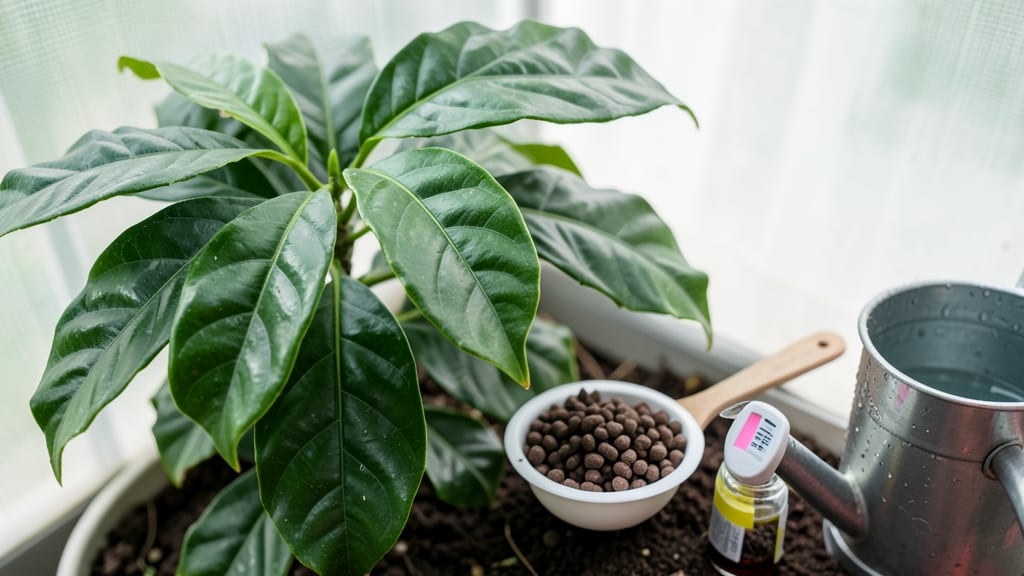
A nitrogen-packed fertilizer blend is the secret to your coffee tree’s lush canopy and heavy fruit set. 🌿 I learned the hard way—my first tree stayed stunted until I switched to a balanced 10-10-10 mix with extra nitrogen. The difference?
Darker leaves, faster growth, and enough cherries to make a real brew. The right fertilizer depends on your soil: sandy soils need frequent feeding (every 4-6 weeks), while clay holds nutrients longer. Organic options like composted manure or coffee grounds work slowly but build soil health over time.
Synthetic blends let you dial in exact ratios—just avoid anything with too much phosphorus or potassium, which can harm fruit production. By mid-summer, you’ll see new growth pushing out every week, with branches heavy enough to bend.
The key is consistency—don’t skip feedings during flowering, or you’ll sacrifice next year’s harvest. I’ve seen trees double their yield just by adjusting timing. Works for home gardens, small farms, or even container-grown coffee trees.
Here’s how to pick and apply the perfect blend for your climate and soil type.
📚 In This Guide
- What you need
- Instructions
- Tips and common mistakes
- Wrapping up and next steps
What you need
- ● Balanced fertilizer (10-10-10 or 12-12-12 NPK ratio) – 1 lb (0.45 kg) per tree (adjust based on soil size)
- ● Organic compost or worm castings – 2-3 gallons (7.5-11 L) per tree (for slow-release nutrients)
- ● Nitrogen-rich fertilizer (e.g., blood meal, fish emulsion, or urea) – ½ lb (0.23 kg) per tree (for lush foliage)
- ● Phosphorus booster (e.g., bone meal) – ¼ lb (0.11 kg) per tree (for root and flower development)
- ● Potassium supplement (e.g., greensand or wood ash) – ½ cup (120 mL) per tree (for disease resistance)
- ● Micronutrient mix (e.g., Epsom salt for magnesium, iron chelate) – 1 tbsp (15 mL) per gallon (3.8 L) of water
- ● Garden trowel or small shovel (for precise fertilizer application)
- ● Watering can or hose with a spray nozzle (for even distribution)
- ● Measuring cups/spoons (for accurate fertilizer ratios)
- ○ pH testing kit (optional but recommended—ideal range: 6.0–6.5)
- ● Gloves (to protect hands from soil and fertilizers)
- ● Mulch (e.g., straw or wood chips) – 2–3 inches (5–7.5 cm) thick (to retain moisture)
- ● Well-draining soil (amend with perlite or sand if needed)
- ● Mature coffee tree (3+ years old for full fertilization benefits)
- ● Sunlight access (6+ hours of direct sun daily)
- ● Regular watering schedule (deep watering 2–3 times per week)
Step-by-step guide to fertilizing coffee trees for maximum growth
Here’s how I boost coffee tree yields with a nitrogen-rich routine—tested over years of growing.
🌿 Step 1: Test Soil and Choose the Right Fertilizer
Start by testing your soil’s pH and nutrient levels—coffee thrives in slightly acidic soil (6.0-6.5). If your soil lacks nitrogen, go for a balanced 10-10-10 or 12-12-12 fertilizer (or a nitrogen-specific like 21-0-0) to kickstart lush foliage. I swear by organic options like blood meal or fish emulsion for a slow-release boost without burning roots.
Spread a ¼-inch layer of compost over the root zone first—this primes the soil for nutrient uptake. Avoid synthetic fertilizers with high phosphorus if your soil already tests high in that department; too much phosphorus locks out nitrogen, and your tree will yellow despite feeding.
💧 Step 2: Apply Fertilizer in Early Growth Stages
Feed coffee trees twice a year: once in early spring (March) when new leaves emerge, and again in late summer (August) before flowering. Scatter fertilizer 6 inches away from the trunk—never pile it directly against the stem, or you’ll scorch the bark. Water the soil deeply before and after application to help nutrients penetrate.
For young trees (under 3 years), use half the recommended dose—they’re still developing roots and can’t handle heavy feeding. You’ll see darker green leaves and faster growth within 4-6 weeks if the timing and amounts are right. Watch for yellowing between veins (a classic nitrogen deficiency sign) or leaf burn (too much salt from fertilizer).
☀️ Step 3: Maintain Consistent Moisture and Mulch
After fertilizing, keep the soil evenly moist but not soggy—coffee roots need 1-2 inches of water weekly, more in hot climates. Mulch with 2-3 inches of wood chips or straw to retain moisture and regulate soil temperature. I refresh mulch every 6 months to prevent compaction and weed competition.
This is where most growers mess up: they fertilize but forget the follow-up care. Without steady moisture, nutrients won’t activate properly. You’ll know you’re on track when new leaves appear every 2-3 weeks and the tree’s canopy thickens noticeably by mid-summer.
✂️ Step 4: Adjust Feeding Based on Tree Response
By 6 months post-fertilization, evaluate your tree’s health. If growth slows or leaves pale, it’s time for a light nitrogen top-dressing (use ½ cup of blood meal per tree). For established trees, switch to a slow-release organic fertilizer in fall to support winter root development.
Real talk: Over-fertilizing is a common mistake. If you see dark brown spots on leaves or stunted growth, flush the soil with extra water to dilute excess salts. Prune any dead or yellowing branches to redirect energy to healthy growth. A well-fed coffee tree should have smooth, glossy leaves and steady new shoots throughout the growing season.
Tips & tricks for fertilizing coffee trees
Here's what nobody tells you about getting the most out of your coffee tree's fertilizer routine.
Soil Testing First: Don't skip the soil test—it's the foundation of everything. Coffee trees need that 6.0-6.5 pH range to absorb nitrogen properly. I've seen growers waste money on fertilizers because their soil was already nitrogen-rich but phosphorus-locked. A simple test kit costs pennies and saves you from overcorrecting. If your soil tests high in phosphorus, stick with the 21-0-0 nitrogen-specific fertilizer rather than balanced blends.
Timing Secret: Those twice-yearly feedings in March and August aren't arbitrary—they align with your tree's natural growth cycles. In spring, new leaves emerge hungry for nitrogen, while late summer feeding supports flowering. For young trees under 3 years, remember to halve the dose—their roots can't handle full strength yet. I've seen 4-6 weeks of rapid growth after proper spring feeding, but only when the timing matches the tree's biological rhythm.
Application Technique: The 6-inch distance from the trunk matters more than you'd think. Piling fertilizer right against the stem causes salt burn that kills roots. I use a spreader for even distribution, then water deeply to help nutrients move down to the roots. After fertilizing, I always check for yellowing between veins—that's your tree screaming for more nitrogen. For established trees, switch to slow-release organic options in fall to avoid winter stress.
Mulch Maintenance: That 2-3 inch mulch layer isn't just decoration—it's moisture insurance. I refresh mine every 6 months because compacted mulch blocks water and air. Wood chips work best—they break down slowly while regulating soil temperature. Watch for new leaves every 2-3 weeks after fertilizing; that's your sign the system is working. If growth stalls, it's time to evaluate whether you need more nitrogen or just better moisture management.
Pro Tips for Coffee Tree Fertilizer
- Here's what nobody tells you about getting the most out of your coffee tree's fertilizer routine.
- Soil Testing First: Don't skip the soil test—it's the foundation of everything.
- Timing Secret: Those twice-yearly feedings in March and August aren't arbitrary—they align with your tree's natural growth cycles.
Frequently asked questions
Got questions about keeping your coffee tree thriving with the right fertilizer? You’re in the right place! Here are answers to the most common queries—from timing to troubleshooting—so you can brew up a bountiful harvest with confidence.
When is the best time to fertilize a coffee tree?
Fertilize your coffee tree twice a year: once at the start of the rainy season (to kickstart growth) and again during the dry season (to support flowering and fruiting). Avoid fertilizing right after planting—wait 4-6 weeks to let roots establish. For container-grown trees, feed every 2-3 months with a diluted dose.
What’s the ideal nitrogen-to-phosphorus-to-potassium (NPK) ratio for coffee trees?
A balanced 8-10-8 or 10-10-10 NPK ratio works best for mature coffee trees, but young trees (under 2 years) benefit from a higher nitrogen boost like 12-6-6. Micronutrients like magnesium and calcium are also critical—look for fertilizers with trace elements or supplement with Epsom salt (magnesium sulfate) every few months.
Can I use organic fertilizers like compost or manure instead of synthetic blends?
Organic options like well-aged compost, worm castings, or coffee pulp compost are excellent for long-term soil health. For a quick nitrogen fix, use blood meal (10-0-0) or fish emulsion (5-1-1). Mix organic fertilizers into the soil 2-3 inches deep around the tree’s drip line, and reapply every 3-4 months. Just avoid fresh manure—it can burn roots!
Why are my coffee tree leaves turning yellow, even after fertilizing?
Yellow leaves often signal over-fertilization, nutrient imbalance, or poor drainage. If the yellowing starts at the tips or edges, you’re likely overdoing nitrogen. For uniform yellowing, check for iron or magnesium deficiency—apply chelated iron or Epsom salt. Ensure your tree isn’t sitting in waterlogged soil (coffee trees hate soggy roots!). Flush the soil with water and adjust your fertilizer schedule.
How do I fertilize a coffee tree in a pot vs. one planted in the ground?
| Potted Coffee Trees | Ground-Planted Trees |
|---|---|
| Use a water-soluble fertilizer (like 10-10-10) every 2-3 weeks during growing season, diluted to half-strength. | Apply granular fertilizer in a ring around the drip line, 6 inches from the trunk, and water thoroughly. |
| Flush the soil monthly with water to prevent salt buildup. | Top-dress with compost or organic matter annually to improve soil structure. |
| Warning: Potted trees need more frequent feeding but less fertilizer per application. | Warning: Avoid direct contact with the trunk to prevent burns. |
Still stumped? Test your soil (DIY kits are affordable!) or consult a local agricultural extension office for a tailored plan. Happy growing!
Wrapping up and next steps
Choosing the right coffee tree fertilizer—especially a nitrogen-packed blend—is the secret to thriving, high-yielding plants with lush canopies. 🌿 Whether you’re using organic compost, balanced synthetic fertilizers, or homemade solutions like banana peels, consistency and proper application are key.
Your coffee trees will thank you with robust growth and delicious beans!
Ready to take the next step? Monitor your soil health regularly, adjust your fertilizer routine based on seasonal needs, and watch your coffee trees flourish. Happy growing! ☕🌱