
Pruning
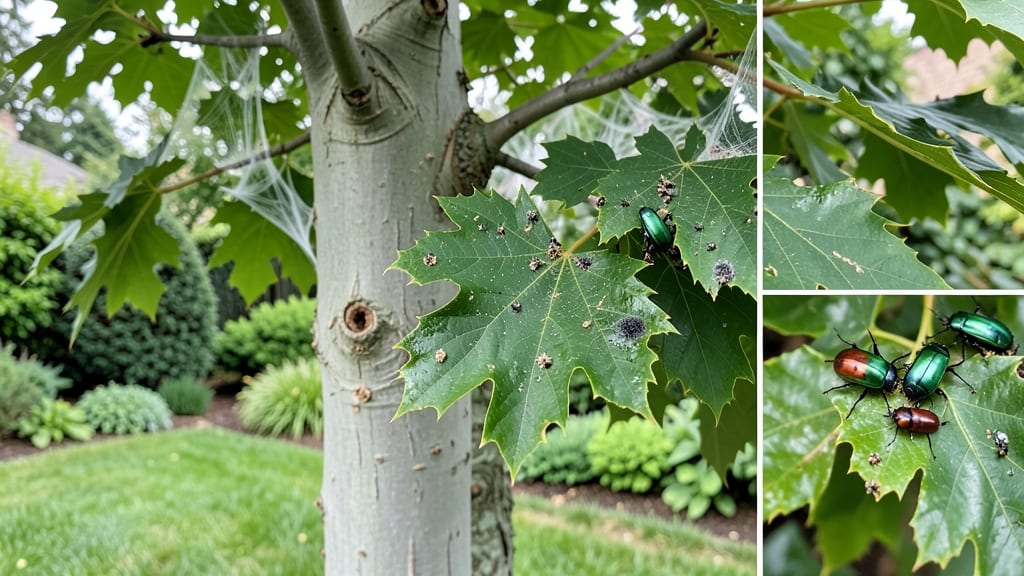
Maple tree pests turn vibrant leaves into skeleton canopies—until you know the early warning signs. 🌳 I’ve watched aphid colonies drain sap from sugar maples in a single week, and the key to stopping them is acting before the damage spreads.
The right organic treatments can restore your tree’s health without harsh chemicals.
Most maple pests—like aphids, borers, or scale—leave distinct clues: sticky residue on leaves, sawdust-like frass, or chewed edges. Sugar maples often face Japanese beetles, while red maples attract lace bugs.
The good news? Early detection means simple fixes: neem oil sprays, pruning infested branches, or introducing ladybugs to control outbreaks naturally.
By the end of summer, your tree will bounce back with fuller foliage and stronger branches. The secret is regular checks—especially after rain, when pests are most active—and knowing which organic remedy works for each type of invader.
Works for both young saplings and mature giants, whether in your backyard or city landscape. Let’s get those leaves thriving again.
Root Causes Of Maple Tree Infestations
Maple trees, with their vibrant foliage and iconic syrup-producing potential, are a prized addition to many landscapes. However, they’re also a magnet for pests—whether it’s voracious insects, fungal invaders, or even sneaky diseases.
Understanding why these issues arise is the first step to protecting your tree. Let’s break down the science behind the chaos.
Maple trees are resilient, but environmental stressors can lower their natural resistance, making them prime targets for pests. Drought, poor soil quality, or extreme temperature swings (like late frosts or heatwaves) force trees to divert energy from pest defense to survival. For example:
- Drought stress: When roots struggle to absorb water, the tree’s sap flow slows, creating perfect conditions for sap-sucking pests like maple leafcutter bees or spotted lanternflies, which thrive on weakened vascular systems.
- Compacted or nutrient-poor soil: Maple trees prefer well-draining, slightly acidic soil. If the soil lacks essential nutrients (like nitrogen or potassium) or is waterlogged, the tree’s immune response weakens, inviting fungal pests (e.g., tar spot fungus) or borers (like maple bark beetles).
- Sudden temperature shifts: Early spring warmth can trick maple trees into budding prematurely, only for a late frost to damage tender new growth—stress signals that attract pests like maple petiole borers.
Pro Tip: 🌡️ Monitor soil moisture with a simple moisture meter and amend soil with compost or organic matter to boost resilience. Mulching (but not too close to the trunk!) helps regulate temperature and retain moisture.
Many pests don’t attack maple trees randomly—they’ve evolved to time their life cycles with the tree’s most vulnerable stages. For instance:
| Pest | Peak Activity Period | Why It Targets Maples |
|---|---|---|
| Aphids (e.g., maple aphids) | Spring to early summer | New leaves are tender and nutrient-rich, making them an all-you-can-eat buffet for aphids. They also excrete honeydew, which attracts sooty mold—a secondary fungal pest. |
| Japanese beetles | Late June to August | Adult beetles feed on maple leaves during their 4–6 week lifespan, skewing the tree’s photosynthesis. Grubs (larvae) later chew on roots, further stressing the tree. |
| Maple borers (e.g., redheaded ash borer) | Late summer to fall | Females lay eggs in cracked bark or wounds, and larvae tunnel into the cambium layer—the tree’s lifeline for nutrient transport—disrupting growth. |
Pro Tip: ✨ Disrupt their timeline with early-season pruning (remove winter-damaged branches before pests arrive) and mulch volcano prevention (which traps moisture and attracts borer-friendly fungi).
Sometimes, pests hitch a ride—or get a helping hand—from human actions. Maple trees in urban or suburban areas are especially vulnerable due to:
- Firewood or nursery stock: Bark beetles or emerald ash borers (which can also target stressed maples) often hide in untreated firewood or infested saplings. Even soil from infected trees can carry fungal spores.
- Landscaping practices: Over-pruning, topping (cutting back to a stub), or wounding bark with tools creates entry points for borers and fungal pathogens like canker diseases.
- Urban pollution: Ozone and sulfur dioxide damage leaf cuticles, making trees more susceptible to leaf-spot diseases and sap-sucking insects.
Pro Tip: 🔥 Quarantine new plants for 2 weeks and sterilize pruning tools with rubbing alcohol between cuts. If you must top a tree, seal wounds with pruning paint to deter borers.
By addressing these root causes—stress, timing, and human impact—you can break the cycle before pests throw a full-blown party in your maple’s canopy. Stay tuned for early detection signs and orgainc cure strategies to keep your tree thriving!
Fixing Maple Tree Pest Problems
Once you’ve identified the culprits wreaking havoc on your maple tree, it’s time to act! The good news? Most pest issues can be managed—even reversed—with targeted, organic solutions that keep your tree thriving without harsh chemicals.
Below, we’ve mapped the most common pests to practical fixes, along with prevention tips to keep your maple tree resilient long-term.
Signs: Sticky residue (honeydew), curled leaves, clusters of tiny green/black bugs.
How to Fix It: 🔥 Blast Them Off Use a strong stream of water from your hose to dislodge aphids from leaves and branches. Repeat every 3–4 days until they’re gone.
🍳 Soapy Water Spray Mix 1 tsp mild liquid soap (like Castile) with 1 quart water in a spray bottle. Coat the undersides of leaves thoroughly. Avoid harsh detergents—they can damage foliage.
👨🍳 Encourage Natural Predators Ladybugs, lacewings, and parasitic wasps love aphids. Plant dill, fennel, or yarrow nearby to attract them.
🌡️ Prevention Tip: Prune your tree in early spring to improve airflow, making it less appealing to aphids. Also, remove fallen leaves where they overwinter.
Signs: White/brown bumps on branches, sticky sap, yellowing leaves.
How to Fix It: 🔪 Scrape Them Off Use a plastic scraper or soft brush to physically remove scale clusters. Focus on new growth and branch crevices.
🥘 Neem Oil or Horticultural Oil Apply neem oil (1 tsp per quart of water + a drop of dish soap) to smother scale insects. Spray in early morning or late evening to avoid harming bees.
⏰ Timing Matters Scale insects hatch in spring—treat your tree before buds swell for best results.
💡 Pro Tip: Check your tree under bark and in leaf axils—these are favorite hiding spots!
Signs: Ragged leaves, shiny green beetles with copper wings, chewed flowers.
How to Fix It: 🍎 Handpick & Drop Fill a bucket with soapy water and shake beetles off into it. Do this early morning when they’re sluggish.
🌿 Milky Spore or Beneficial Nematodes Apply milky spore powder (a natural bacteria) to your lawn to reduce grub populations long-term.
🎯 Traps (Use with Caution!) Japanese beetle traps attract more beetles if placed near your tree. Only use them far from your maple (at least 30 feet away).
✨ Prevention Tip: Plant beetle-repelling flowers like marigolds, geraniums, or roses nearby to distract them from your maple.
Signs: Fine webbing, stippled/yellowing leaves, tiny moving dots.
How to Fix It: 💦 Water Stress = Mite Buffet Spider mites thrive in dry conditions. Give your tree a deep watering during droughts to keep them at bay.
🌡️ Cool Down the Foliage Mites hate humidity. Mist leaves early in the day or use a fine spray bottle to raise moisture levels.
🔥 Neem Oil or Insecticidal Soap Spray neem oil or insecticidal soap (follow label rates) every 5–7 days until mites disappear.
💡 Pro Tip: Check the undersides of leaves—that’s where mites love to hide!
Signs: Sawdust-like frass, oozing sap, wilting branches, adult beetles emerging.
How to Fix It: ⏰ Act Fast—Borers Are Aggressive If you spot exit holes or frass, prune and burn infected branches immediately to stop the spread.
🔪 Drill & Treat Use a hand drill to bore into the tunnel and squish larvae. Then, apply borax or silica gel (food-grade) into the hole to kill remaining pests.
🌿 Beneficial Nematodes Soak cotton balls in water + beneficial nematodes and place them in borer holes to paralyze larvae.
💡 Prevention Tip: Keep your tree healthy with proper watering and mulching—stressed trees attract borers!
- 🌿 Mulch Properly: Use 3–4 inches of organic mulch (wood chips, bark) to suppress weeds and pests.
- 💧 Water Deeply: Deep, infrequent watering encourages strong roots and deters pests.
- 🍃 Prune Regularly: Remove dead/diseased branches to eliminate hiding spots.
- 🐝 Support Pollinators: A diverse, healthy ecosystem means more natural pest predators!
Remember: Consistency is key! Check your tree weekly during peak pest seasons (spring/summer) and act at the first sign of trouble. With these organic methods, your maple tree can bounce back stronger—and stay pest-free for years!
Frequently asked questions
What are the most common maple tree pests I should watch for?
The top culprits include aphids (tiny green/black bugs that leave sticky honeydew), scale insects (white/brown bumps on branches), Japanese beetles (copper-winged chewers), spider mites (fine webbing + stippled leaves), and borers (sawdust-like frass near holes in bark). Each leaves distinct damage clues—check leaves, bark, and soil regularly.
How do I tell if my maple tree is just stressed or actually infested?
Stressed trees show uniform yellowing or wilting, while pests create irregular patterns. Look for sticky residue (honeydew), chewed edges, or tiny moving dots on leaves. Tap branches over a white sheet—falling insects or frass confirm an infestation. Stress often appears first in older leaves; pests target new growth.
Can I use chemical pesticides on my maple tree?
Chemicals like carbaryl or imidacloprid can work quickly but harm beneficial insects and pollinators. For organic options, try neem oil (aphids/scale) or insecticidal soap (mites). Always test sprays on a small branch first. If using chemicals, apply early morning when bees are less active.
Why do Japanese beetles seem to love my maple tree?
Japanese beetles target maples because the leaves are high in nitrogen and soft—perfect for their feeding habits. They’re also drawn to stressed trees with reduced defensive compounds. Plant marigolds or geraniums nearby to distract them, or handpick beetles into soapy water before they skeletonize your foliage.
How often should I inspect my maple tree for pests?
Check your tree every 2 weeks during peak seasons (spring to early fall) and monthly in winter. Focus on new growth, undersides of leaves, and bark crevices—these are pest hotspots. Early detection (like tiny eggs or webbing) lets you act before damage spreads. Use a 10x magnifying glass for close inspections.