
Pests and Diseases
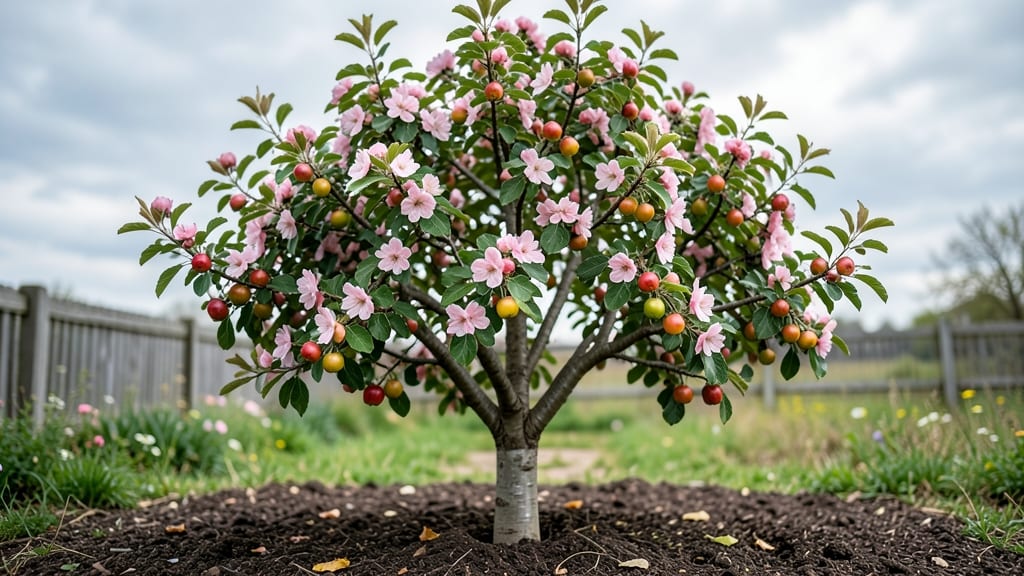
Crabapple trees have clear pros and cons: they offer stunning seasonal color, compact growth, and ecological benefits but demand frequent pruning, messy fruit cleanup, and vigilance against diseases like fire blight.
The crabapple tree pros and cons shine in landscapes with their vibrant spring blossoms and smaller size compared to full-sized apple trees, making them ideal for urban gardens or tight spaces. 🌸 Their berries also serve as a natural food source for birds, adding ecological value.
However, the trade-off includes shallow root systems that can struggle in drought-prone areas and disease-prone wood that requires regular maintenance to prevent rot or fungal infections.
Their messy fruit drop in fall creates cleanup work, while improper pruning can spread diseases. For homeowners willing to invest time in care, crabapples deliver year-round interest—just be prepared for the extra effort required to keep them thriving.
💡 In This Article
- Ornamental and Ecological Advantages of Crabapple Trees
- Maintenance Challenges and Long-Term Care Tips
Ornamental and ecological advantages of crabapple trees
Crabapple trees dazzle with their spring blooms, which can appear in shades of pink, white, or deep red, creating a stunning visual impact that lasts 2-3 weeks—longer than many flowering trees.
The flowers often have a delicate, sweet fragrance that attracts bees and other pollinators, making them a valuable addition to pollinator-friendly gardens.
Unlike their apple-tree relatives, crabapples produce small, tart fruit (typically ½ to 1 inch in diameter) that birds adore, providing a natural food source during winter months when other berries are scarce.
Their compact growth habit—typically reaching 15-25 feet at maturity—makes them ideal for small urban yards, patios, or even large planters. This dwarfed stature contrasts sharply with full-sized apple trees, which can sprawl 20-30 feet wide and require far more space.
The dense branching structure also provides excellent year-round interest, with glossy green foliage that turns to warm yellows or oranges in fall, depending on the cultivar.
Ecologically, crabapples serve as a wildlife magnet. The fruit may not be edible for humans, but birds like robins, cedar waxwings, and woodpeckers flock to them in late summer and fall.
Some gardeners even plant crabapples specifically to support local bird populations, especially in areas where native fruit-bearing trees are scarce. The tree's shallow root system also makes it less invasive than deeper-rooted species, though this same trait demands careful watering during dry spells.
For those prioritizing low-maintenance beauty, certain disease-resistant cultivars (like 'Adirondack' or 'Dolgo') minimize the trade-offs while maximizing visual appeal. These varieties produce abundant flowers with minimal fruit drop, reducing the cleanup burden.
The key advantage? Crabapples deliver four seasons of interest—spring blossoms, summer foliage, autumn color, and winter structure—without the space requirements of larger trees.
What sets crabapples apart from other ornamental trees is their versatility in landscape design. They work as standalone specimen trees, in mixed borders, or even as part of a hedge system when planted in rows.
Their compact size allows for creative placement near walkways, patios, or foundation plantings where larger trees would overwhelm the space. The trade-off? Their smaller stature means they won't provide the same shade as mature oaks or maples, but their seasonal color more than makes up for it.
One often-overlooked benefit is their air-purifying qualities. Like all trees, crabapples absorb carbon dioxide and release oxygen, but their dense foliage also traps dust and pollutants, improving local air quality. In urban environments, this makes them a practical choice for green spaces where every tree counts.
The combination of aesthetic appeal, ecological function, and space efficiency explains why they're a favorite among landscape designers and homeowners alike.