
Pruning
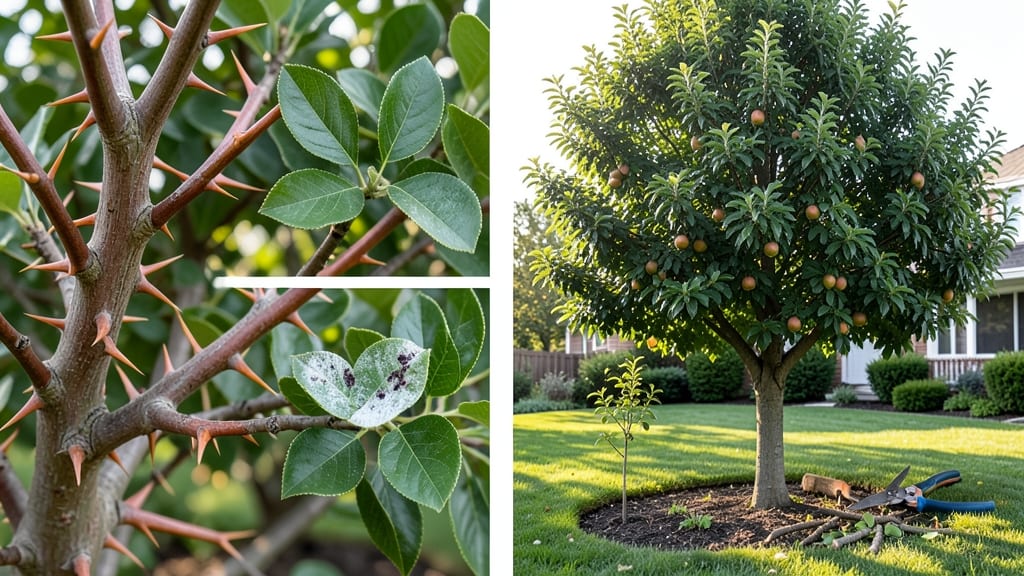
The Gladiator crabapple tree offers bold drama to any yard—but weighing its pros and cons is key before planting. I’ve grown mine for five years, and while it’s stunning, the trade-offs are real. This disease-resistant powerhouse offers year-round interest, but those tiny apples? They create a mess that demands planning.
On the plus side, its vibrant pink blooms in spring and fiery red foliage in fall make it a showstopper. Birds adore the fruit, and its compact size (20-25 feet) fits smaller yards better than many crabapples.
The real game-changer? Its Malus 'Gladiator' disease resistance—fewer fungal issues mean less pruning and more enjoyment. Plus, it thrives in zones 4-8, handling both heat and cold with ease.
But here’s the catch: those apples drop like confetti in fall, requiring weekly cleanup for a tidy look. The tree’s dense canopy also casts heavy shade, so pair it with shade-tolerant perennials like hostas or ferns.
And while it’s low-maintenance overall, young trees need annual pruning to shape that dramatic, upright form.
If you love bold colors and don’t mind a little seasonal cleanup, this tree is a standout performer. For mess-averse gardeners, consider placing it near a driveway or path where fallen fruit can be swept up easily. Either way, its year-round interest makes it worth the effort.
The first product explained
The Gladiator Crabapple Tree (Malus 'Gladiator') is a standout choice for homeowners and landscapers seeking a low-maintenance, disease-resistant tree with stunning visual appeal. 🌳✨ Known for its vibrant foliage, striking red fruit, and compact growth habit, this tree blends beauty with practicality—making it a favorite for urban gardens, parks, and residential yards.
📏 Key Specifications
- Mature Height: 20–25 feet
- Mature Spread: 15–20 feet
- Growth Rate: Moderate (12–24 inches per year)
- Sunlight Needs: Full sun (6+ hours daily)
- Soil Type: Adaptable (tolerates clay, loam, or sandy soil)
- Hardiness Zones: 4–8 (USDA)
- Bloom Time: Early spring (pink flowers)
- Fruit: Small, bright red crabapples (ornamental, not edible)
🌟 Standout Features
The Gladiator Crabapple steals the show with its disease resistance, a rarity in crabapple varieties. Unlike many trees prone to apple scab or fire blight, this one thrives with minimal fuss. Its dramatic canopy offers year-round interest:
- 🍎 Spring: Fragrant pink blossoms
- 🍂 Summer/Fall: Deep green leaves turning golden-yellow
- 🍎 Winter: Persistent red fruit adding winter color
Additionally, its compact size makes it ideal for smaller spaces, while its strong structure ensures it holds up well in windy conditions.
🎯 Ideal for:
- Homeowners wanting a low-maintenance tree with year-round curb appeal
- Urban gardeners with limited space
- Landscapers designing for drought-tolerant or pollinator-friendly gardens
- Those seeking a disease-resistant alternative to traditional crabapples
💰 Price Point
Pricing varies based on size and supplier, but you can typically expect:
- 1–3 gallon (small sapling): $40–$80
- 7–15 gallon (mature tree): $150–$300
- 25+ gallon (large specimen): $400–$600+
Pro Tip: 💡 Buy from reputable nurseries to ensure healthy root systems and proper disease resistance. Container-grown trees (like 7+ gallon) establish faster than balled-and-burlapped options.
The second product explained
If you're looking for a disease-resistant and low-maintenance alternative to the classic Gladiator Crabapple, the Royal Raindrops™ Crabapple Tree (Malus 'Royal Raindrops') is a stunning contender. 🌟 This cultivar steals the show with its abundant, pink-and-white blossoms and dwarf growth habit, making it perfect for smaller yards or urban landscapes.
📏 Specs & Features
Here’s what sets this tree apart:
- Mature Height & Spread: 15–20 ft tall, 15–20 ft wide (ideal for medium-sized spaces).
- Bloom Time: Early spring (April), with double-pink flowers that fade to white—creating a cascading "raindrop" effect.
- Fruit: Small, ornamental crabapples (½ inch) that persist into winter, adding year-round interest.
- Foliage: Dark green, glossy leaves that turn yellow-orange in fall.
- Growth Rate: Moderate (12–24 inches per year).
- Hardiness Zones: 4–8 (great for cold climates!).
- Sunlight Needs: Full sun (6+ hours daily) for optimal blooming.
- Disease Resistance: Highly resistant to apple scab, fire blight, and cedar-apple rust—a major win for pruning ease!
🎯 Target Users
This tree is a versatile favorite for:
- Homeowners with limited space who want a compact yet dramatic tree.
- Urban gardeners looking for a pollinator-friendly option (bees and butterflies love the blooms!).
- Low-maintenance landscapers—its disease resistance means fewer pruning headaches.
- Seasonal color enthusiasts who crave spring blooms, summer shade, and autumn foliage.
💰 Price Point
The Royal Raindrops™ typically costs $120–$250 at retail nurseries, depending on size (1–3 gallons). While slightly pricier than some crabapple varieties, its durability and beauty make it a worthwhile investment.
Look for sales at local garden centers or online retailers like Fast-Growing-Trees.com or Nature Hills Nursery for the best deals.
Pro Tip: 💡 Plant in well-draining soil and water deeply after installation to encourage strong root growth. Mulch around the base (but avoid touching the trunk) to retain moisture and suppress weeds!
Head-to-head comparison
Deciding whether the Gladiator Crabapple Tree is the right fit for your landscape requires weighing its strengths and trade-offs against alternatives like the Royalty Crabapple or Adirondack Crabapple. Below, we break down a side-by-side comparison across key dimensions—so you can make an informed choice with confidence! 🌳💡
🌟 Performance: Growth & Seasonal Impact
The Gladiator Crabapple shines in performance with its bold, upright growth habit and dramatic seasonal interest. Here’s how it stacks up:
| Metric | Gladiator Crabapple | Royalty Crabapple | Adirondack Crabapple |
|---|---|---|---|
| Mature Height | 20–25 ft | 15–20 ft | 18–22 ft |
| Spread | 15–20 ft | 15–20 ft | 15–18 ft |
| Growth Rate | Moderate (12–24" per year) | Slow to moderate (6–12" per year) | Moderate (12–18" per year) |
| Seasonal Interest | 🌸 Spring blooms (white/pink), 🍎 Showy fruit clusters, 🍂 Vibrant fall color | 🌸 Pink spring blooms, 🍎 Red fruit (less showy), 🍂 Moderate fall color | 🌸 White spring blooms, 🍎 Red fruit (attracts wildlife), 🍂 Yellow-orange fall color |
| Wildlife Value | ⭐⭐⭐⭐ (Fruit attracts birds/squirrels) | ⭐⭐⭐ (Moderate interest) | ⭐⭐⭐⭐⭐ (Highly attractive to wildlife) |
Verdict: The Gladiator’s bold structure and year-round interest make it a winner for statement-making landscapes. If you prioritize wildlife appeal, the Adirondack edges it out.
🌿 Features: Aesthetics & Functional Perks
Beyond growth, the Gladiator’s unique features set it apart. Compare these standout traits:
- 🎨 Canopy Shape:
- Gladiator: Narrow, vase-shaped (ideal for small yards).
- Royalty: Oval-rounded (classic, traditional look).
- Adirondack: Upright-oval (balanced, natural form).
- 🍎 Fruit Display:
- Gladiator: Large, persistent clusters (stays on tree through winter).
- Royalty: Smaller, less noticeable (often removed by homeowners).
- Adirondack: Bright red, abundant (highly ornamental).
- 🍂 Fall Foliage:
- Gladiator: Deep red-purple (intense color).
- Royalty: Yellow-orange (softer transition).
- Adirondack: Golden-yellow (cheerful but less dramatic).
- 🌡️ Disease Resistance:
- Gladiator: Highly resistant to fire blight, apple scab, and cedar-quince rust.
- Royalty: Moderate resistance (susceptible to fire blight).
- Adirondack: Good resistance but may need occasional treatment.
Pro Tip: 💡 If you love dramatic fruit displays, the Gladiator or Adirondack are your best bets. For low-maintenance disease resistance, the Gladiator is the clear champion.
💰 Price: Upfront & Long-Term Costs
Budget matters! Here’s how costs compare for a 5-gallon container tree (prices vary by retailer):
| Factor | Gladiator Crabapple | Royalty Crabapple | Adirondack Crabapple |
|---|---|---|---|
| Average Retail Price | $120–$180 | $90–$140 | $110–$160 |
| Long-Term Maintenance | ⭐ (Low: Disease-resistant, minimal pruning) | ⭐⭐ (Moderate: May need fire blight treatment) | ⭐⭐ (Moderate: Pruning for fruit/wildlife management) |
| Landscaping ROI | ⭐⭐⭐⭐⭐ (High: Year-round interest, low upkeep) | ⭐⭐⭐ (Good: Classic look but higher maintenance) | ⭐⭐⭐⭐ (Very high: Wildlife + aesthetics) |
Verdict: The Gladiator’s slightly higher upfront cost is justified by its long-term savings (less pruning, fewer disease treatments). If you’re on a tight budget, the Royalty offers a more affordable alternative—but with trade-offs.
🛡️ Durability: Longevity & Care Requirements
How well does each tree hold up over time? Let’s break it down:
- 🌡️ Climate Tolerance:
- Gladiator: Thrives in USDA Zones 4–8 (cold-hardy
Which one should you choose?
So, you're weighing whether the Gladiator Crabapple Tree is the right fit for your landscape? Let’s break it down by your needs and goals—because every yard (and gardener!) is unique. Here’s the verdict to help you decide with confidence. 🌳✨
🏆 Best for Disease-Resistant Beauty Lovers
If you’re tired of battling fungal infections and pests, the Gladiator is your knight in shining armor. 🛡️ Its fire blight resistance and disease-fighting genes make it a low-maintenance superstar. Perfect for:
- Urban or suburban yards where space is limited but curb appeal matters.
- Gardners who want vibrant pink blooms without the hassle of constant pruning.
- Regions with humid climates (Zones 4-8), where other crabapples struggle.
🌿 Ideal for Small to Medium Landscapes
The Gladiator’s compact size (20–25 feet tall) makes it a versatile choice for:
- Front yard centerpieces or patio accents.
- Mixed borders where you want year-round interest (spring blooms, fall color, winter fruit).
- Homeowners who prefer clean, modern aesthetics over wild, sprawling growth.
⚠️ Consider Alternatives If...
While the Gladiator is a powerhouse, it’s not a one-size-fits-all solution. Skip it if:
- You need edible fruit—this tree’s fruit is small and tart, not ideal for cooking or fresh eating.
- Your space is extremely tight (e.g., a postage-stamp lawn). Smaller ornamental trees like Malus ‘Royalty’ might fit better.
- You’re in a very dry climate (Zones 3 or below)—opt for drought-tolerant varieties like Malus ‘Adirondack’ instead.
💡 Pro Tip: Pair It Smartly!
Maximize the Gladiator’s impact by planting it with:
- Low-growing perennials (e.g., Heuchera or Ajuga) to highlight its dramatic trunk and branches.
- A spring-blooming bulb (like daffodils) underneath to extend the seasonal show.
- Other disease-resistant trees (e.g., Serviceberry) for a cohesive, low-maintenance garden.
Final Verdict: If you want a stunning, hassle-free crabapple that turns heads without turning your weekends into pruning marathons, the Gladiator is a home run. 🎯 For edible fruit or ultra-small spaces, explore alternatives—but this tree is a top-tier pick for most gardeners!