
Pruning
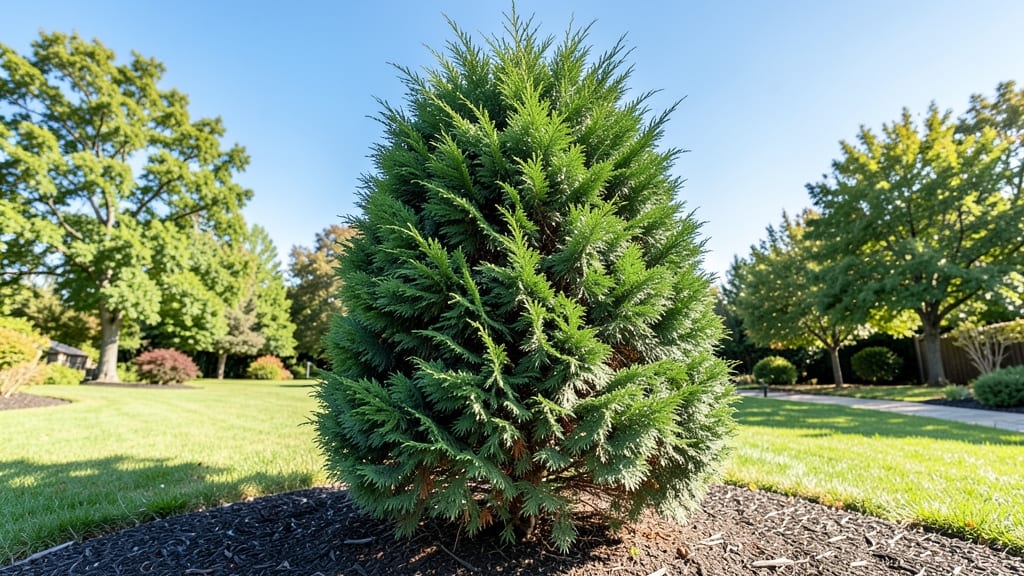
Your cypress tree’s health could be the missing piece behind those drooping branches and patchy green—pruning is the solution. 🌲 After years of watching trees decline from overgrowth or neglect, I’ve learned the right cuts make all the difference—reviving that signature lushness even if the damage feels severe.
Most problems start with poor air circulation or water stress, but the fix isn’t complicated. Focus on removing dead wood first, then thin out crowded branches to let sunlight and air reach the center.
I’ve seen trees go from sad to thriving in just one season with this approach—no chemicals needed.
You’ll notice new growth within 4-6 weeks if the roots are still healthy. The key is timing: prune in late winter or early spring before new shoots form. Over time, this keeps your cypress sturdy, pest-resistant, and full of that signature feathery charm.
Works for both Leyland and Italian cypress varieties, and the same principles apply whether you’re dealing with drought stress or old growth. Let’s get those branches back in shape!
Root Causes Of Cypress Decline
Cypress trees—whether the elegant Cupressus or the swamp-loving Taxodium—can suffer from stress, disease, or decline due to a mix of environmental and human-related factors. Understanding the why behind these issues is the first step to restoring your tree’s health.
Below, we break down the most common culprits, backed by science, so you can take targeted action.
Cypress trees thrive in well-draining, acidic to neutral soil (pH 5.0–7.0), but compacted, waterlogged, or nutrient-poor soil can strangle their roots. Here’s how it happens:
- Root suffocation: Clay-heavy or poorly amended soil traps excess moisture, cutting off oxygen to roots. Pythium and Phytophthora fungi thrive in these conditions, leading to root rot. 💡 Test your soil—if it stays soggy for more than 24 hours after rain, drainage is likely the issue.
- Nitrogen starvation: Fast-growing cypresses deplete soil nitrogen quickly. Yellowing needles (chlorosis) often signal a lack of this essential nutrient, especially in sandy soils. Action: Apply a slow-release nitrogen fertilizer (like sulfur-coated urea) in early spring.
- Micronutrient gaps: Deficiencies in iron, manganese, or zinc cause interveinal chlorosis (yellowing between leaf veins). These issues are common in alkaline soils, where nutrients bind and become unavailable. Fix: Use chelated micronutrients or amend soil with peat moss to lower pH.
Pro Tip: 🌱 Mulch properly—a 3-inch layer of organic mulch (like pine straw) retains moisture and slowly releases nutrients, but avoid piling it against the trunk to prevent rot.
Cypress trees are adaptable but hate extremes. Both overwatering and drought can trigger decline by disrupting the tree’s water balance and inviting pests/diseases.
- Overwatering risks:
- Weakens roots by displacing oxygen, making them susceptible to root rot (caused by Phytophthora cinnamomi).
- Encourages cypress canker (a fungal disease) and tip blight, which brown and kill branch tips.
- Underwatering risks:
- Drought stress causes needles to turn bronze or gray and drop prematurely.
- Weakens the tree’s immune system, making it vulnerable to spider mites and scale insects.
Actionable Fix: 💧 Water deeply but infrequently—aim for 1–1.5 inches per week (more in extreme heat). Use drip irrigation or soaker hoses to deliver water at the root zone, not the canopy. For container cypresses, ensure pots have drainage holes and water when the top 2 inches of soil are dry.
Cypress trees heal slowly, and aggressive or incorrect pruning can trigger decline by exposing the tree to disease, sunburn, or structural weakness.
- Over-pruning: Removing more than 25% of foliage in one season stresses the tree, reducing its ability to photosynthesize. This leads to dieback (browning and death of branches).
- Wrong cuts:
- Topping (cutting back to a stub) creates water sprouts (weak, vertical shoots) and invites fungal infections like Seiridium canker.
- Flushing cuts (removing too much of the branch collar) disrupts the tree’s natural healing tissue.
- Mechanical injury: Lawnmowers, string trimmers, or even hitting the trunk with vehicles can create entry points for pathogens. Always prune during dry weather to prevent spreading spores.
Pro Tip: ✂️ Prune for health, not aesthetics—focus on removing dead, diseased, or crossing branches (never more than 25% of the canopy at once). Use sharp, clean tools and make cuts just outside the branch collar.
Cypress trees are targeted by specific pests and pathogens that exploit stress from other causes (like poor soil or overwatering). Here’s what’s likely attacking yours:
| Pest/Disease | How It Starts | Telltale Signs | Fix It |
|---|---|---|---|
| Cypress Tip Midge (larvae) | Larvae feed on new growth in spring/summer, often after wet conditions. | Brown, shriveled tips on branches; sawdust-like frass (insect droppings). | Prune infested tips; apply horticultural oil or Bt (Bacillus thuringiensis) in early spring. |
| Fusarium Wilt (fungus) | Spreads via contaminated water or tools; thrives in hot, dry soil. | Sudden wilting, yellowing needles, vascular discoloration (brown streaks in stems). | No cure—remove infected trees; sterilize tools with bleach. |
| Bagworms (caterpillars) | Webbed bags hide larvae that defoliate the tree in late summer. | Silk-covered bags on branches; skeletonized needles. | Handpick bags or spray with Bt before they pupate. |
| Seiridium Canker (fungus) | Enters through pruning wounds; spreads in humid climates. | Sunken, oozing cankers on branches; dieback above infections. | Prune below the canker (sterilize tools!); apply copper fungicide. |
Prevention Tip: 🛡️ Monitor regularly—shake branches over a white sheet to spot pests early. Healthy trees resist attacks, so focus on fixing soil, water, and pruning first.
Quick Fixes For Cypress Tree
Reviving a struggling cypress tree starts with identifying the root cause—and then taking action. Below, we’ve mapped out practical solutions for common issues, from overwatering to pest invasions, along with prevention tips to keep your tree thriving long-term. Think of this as your DIY cypress tree first-aid kit!
Signs: Yellowing needles, soggy soil, or a tree that feels "mushy" at the base.
Fix It: 🔥 Step 1: Stop Watering Immediately
- Cypress trees hate "wet feet." Pause irrigation and let the soil dry out completely before watering again.
🍳 Step 2: Improve Soil Drainage
- Amend heavy clay soil with sand, perlite, or compost to create better aeration. Aim for a well-draining mix—think "sandy loam" texture.
- If planting a new cypress, raise the root ball slightly above ground level to prevent water pooling.
👨🍳 Step 3: Adjust Your Watering Routine - Water deeply but infrequently—once every 7–10 days (adjust for climate). Use a soaker hose or drip irrigation to deliver moisture directly to roots. - Test soil moisture before watering: Stick your finger 3–4 inches deep.
If dry, water; if damp, wait.
🥘 Step 4: Consider a Drainage Solution
- For container-grown cypress trees, ensure pots have drainage holes and use a fast-draining potting mix (like a 50/50 blend of peat moss and perlite).
💡 Prevention Tip:
- Mulch properly! Apply 2–3 inches of mulch (wood chips or pine straw) around the base, but keep it 6 inches away from the trunk to avoid rot.
Signs: Brown, crispy needle tips, or a tree that looks "scorched" despite adequate water.
Fix It: 🔥 Step 1: Provide Afternoon Shade
- If your cypress is in a hot, exposed location, install light shade cloth (30–50%) during peak sun hours (11 AM–3 PM).
- Plant fast-growing shrubs (like boxwood or holly) as a natural windbreak on the south or west sides.
🍳 Step 2: Increase Water Frequency (Temporarily)
- During heatwaves, water every 5–7 days (morning hours only) to help the tree cool down.
- Fogging the foliage with a hose can also provide relief—just avoid wetting the soil too much.
👨🍳 Step 3: Apply a Protective Mulch
- Spread 3–4 inches of organic mulch (like cedar chips) to insulate roots and retain moisture.
🥘 Step 4: Prune for Better Airflow
- Thin out overcrowded branches to improve circulation and reduce heat buildup inside the canopy.
💡 Prevention Tip:
- Avoid fertilizing during heatwaves—it stresses the tree. Wait until temperatures drop below 85°F (29°C).
Signs: Chewed needles, sawdust-like frass, fungal spots, or sticky residue (honeydew).
Fix It: 🔥 Step 1: Identify the Culprit
- Bagworms? Look for spinning cocoons on branches.
- Spider mites? Check for fine webbing on needles.
- Fungal issues? Spot black/brown spots or powdery mildew.
🍳 Step 2: Manual Removal (Best for Early Stages)
- Bagworms: Handpick bags and drown them in soapy water.
- Spider mites: Blast off with water (use a strong hose stream) or wipe needles with neem oil.
- Fungal spores: Prune infected branches (sterilize tools with 70% rubbing alcohol).
👨🍳 Step 3: Natural or Chemical Treatments - For pests: Apply neem oil spray (mix 2 tbsp neem oil + 1 tsp mild soap + 1 gallon water).
Spray early morning or evening to avoid burning foliage. - For fungus: Use copper fungicide or baking soda spray (1 tbsp baking soda + 1 quart water + a few drops of soap).
🥘 Step 4: Strengthen Tree Defenses
- Fertilize lightly with a balanced, slow-release fertilizer (10-10-10) to boost immunity.
- Encourage beneficial insects (like ladybugs) by planting marigolds or dill nearby.
💡 Prevention Tip:
- Inspect trees monthly during growing season (spring–fall) for early signs of trouble.
- Avoid over-fertilizing—it attracts pests like aphids.
Signs: Bald spots, weak branches, or a tree that looks "lopsided."
Fix It: 🔥 Step 1: Prune at the Right Time
- Best time: Late winter to early spring (before new growth starts).
- Avoid pruning in fall—it encourages new growth that won’t harden off before winter.
🍳 Step 2: Use the Right Tools & Technique
- Tools: Sharp bypass pruners (for small branches) or a pruning saw (for thicker limbs).
- Cut properly: Make clean cuts at a 45° angle, just outside the branch collar (the swollen area where the branch meets the trunk).
- Never "top" the tree—this creates weak regrowth and invites disease.
👨🍳 Step 3: Thin Out, Don’t Just Trim
- Remove 1/3 of the oldest, thickest branches to improve airflow and light penetration.
- Aim for an "open vase" shape—this reduces weight and prevents storm damage.
🥘 Step 4: Sterilize Tools & Clean Up
- Wipe tools with rubbing alcohol between cuts to prevent disease spread.
- Rake up and dispose of fallen debris to reduce fungal spores.
💡 Prevention Tip:
- Prune gradually—never remove more than 25% of the canopy in one year.
- Avoid pruning in wet weather—it slows healing and spreads disease.
Signs: Needle browning, cracked bark, or dead branches after frost.
Fix It: 🔥 Step 1: Protect Young Trees
- Wrap the trunk with burlap or tree guard to shield it from winter sunburn (a phenomenon called "southwest disease").
- Mulch heavily (4–6 inches) around the base to insulate roots.
🍳 Step 2: Water Before Freeze (But Not Too Much!)
- Give the tree a deep watering 1–2 weeks before the first frost to help it harden off.
- Avoid watering in freezing temps—wet foliage can lead to ice damage.
👨🍳 Step 3: Prune Damaged Branches in Early Spring
- Wait until new growth appears to identify dead wood. Cut back to healthy green tissue.
- Do not prune in late fall—it stresses the tree before winter.
🥘 Step 4: Choose Cold-Hardy Varieties
- If you’re in a Zone 6 or colder, opt for Leyland cypress hybrids or Arizona cypress—they tolerate frost better.
💡 Prevention Tip:
- Avoid heavy fertilizing in late summer/fall—it encourages tender growth that’s vulnerable to cold.
- Boost with a balanced fertilizer (10-10-10) in early spring to encourage recovery.
- **Monitor
Frequently asked questions about cypress tree care
Why are my cypress tree needles turning brown at the tips?
Brown needle tips usually signal drought stress or excessive salt buildup from tap water or fertilizers. Check soil moisture—if the top 2 inches are dry, water deeply but infrequently (every 7-10 days). For salty soil, flush with 3 inches of water to leach out minerals.
How do I tell if my cypress tree has root rot?
Look for mushy, discolored roots when you gently dig near the base, plus yellowing needles and a foul odor. If confirmed, stop watering immediately and improve drainage by amending soil with perlite or sand. Severe cases may need root pruning by a professional.
Can I prune my cypress tree in summer?
Pruning in summer stresses the tree and invites pests/diseases. Wait until late winter or early spring (before new growth). If you must prune now, limit cuts to 10% of the canopy and focus only on dead/diseased branches. Always sterilize tools with rubbing alcohol.
What's the best mulch for cypress trees?
Use 2-3 inches of organic mulch like pine straw or cedar chips, keeping it 6 inches away from the trunk to prevent rot. Avoid thick layers—too much mulch traps moisture and smothers roots. Refresh annually to maintain nutrient release.
How often should I fertilize my cypress tree?
Fertilize once in early spring with a balanced 10-10-10 fertilizer—never more than that. Over-fertilizing burns roots and attracts pests. For sandy soils, use slow-release granules to prevent nutrient runoff. Skip fertilization in drought conditions.