
Pruning
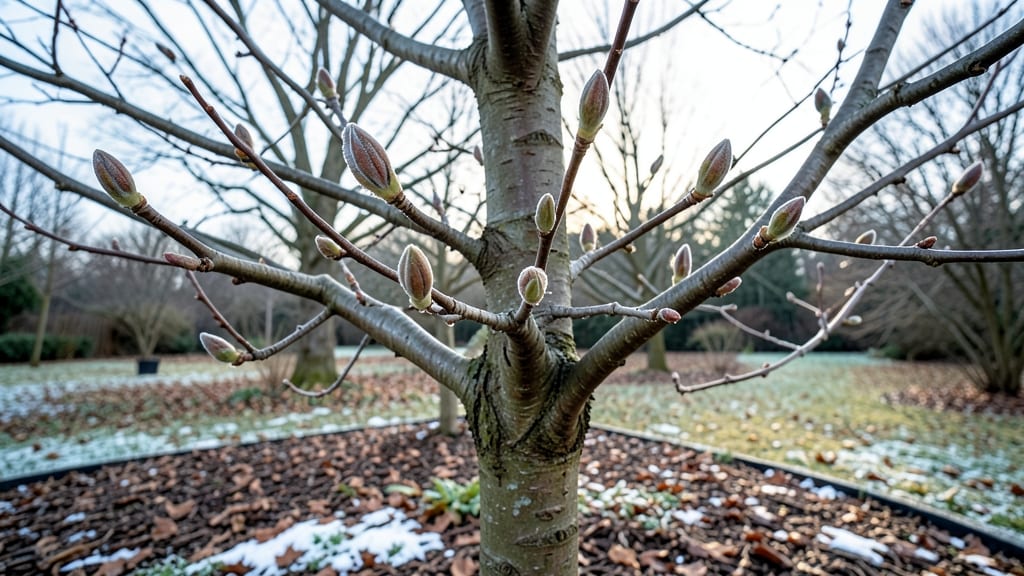
Dead tree buds can turn a beautiful spring into a disappointment—unless you know exactly what’s wrong and how to fix it. 🌿 After years of watching my cherry tree’s buds shrivel before blooming, I learned the key is identifying the real cause: too much winter sun, fungal infections, or last year’s pruning mistakes.
The good news? Most issues respond to targeted action, and the right cuts can bring back next year’s flowers.
First, check for shriveled, brown buds (likely winter burn) or blackened, oozing buds (a sign of bacterial blight). Pests like borers or scale might leave sticky residue or tiny holes.
Once you spot the problem, the solution changes: pruning too late in the season can stress the tree, while ignoring fungal spots lets them spread. The fix often starts with sharp tools and a clean workspace—no rusty shears here.
You’ll see new buds forming by late summer if you act now. For winter sun damage, apply a thick layer of mulch around the base to protect roots. Fungal issues? Prune out infected branches 6 inches below the damage, then sterilize your tools with rubbing alcohol.
Pests require a different approach—neem oil or insecticidal soap can save the tree before next spring’s buds even think about opening.
Timing matters most: prune dormant trees in late winter or early spring, but never when buds are already swelling. The goal isn’t just to cut—it’s to reset the tree’s energy for next year’s showstopping blooms. With the right moves, your tree will bounce back stronger than ever.
The Hidden Triggers Behind Dormant Buds
When your tree’s buds refuse to bloom, it’s often a cry for help from the plant itself. Understanding the root causes—whether environmental, biological, or human-induced—is the first step to revival. Below, we break down the key culprits behind dead or dormant buds, explained in clear, actionable terms.
Bud dormancy or death is frequently triggered by sudden temperature swings, especially in late winter or early spring. Trees like fruit trees, roses, and flowering cherries are particularly vulnerable when:
- Late frost damage: Buds swell in response to warming temperatures, only to freeze when nighttime temps drop below 28°F (-2°C). The damage isn’t always visible—cells rupture internally, killing the bud before it can open.
- Actionable fix: Monitor local frost alerts and cover young trees with frost cloth or row covers during critical bloom windows (typically February–April, depending on your zone).
- Heat stress in summer: While less common, prolonged heatwaves (>95°F/35°C) can cause buds to desiccate (dry out) or enter a false dormancy, mimicking winter rest. This is especially true for tropical or subtropical trees forced into colder climates.
- Pro tip: 💡 Mulch heavily around the base (3–4 inches of organic mulch) to regulate soil temperature and retain moisture.
Tell-tale sign: Buds appear shriveled, brown, or fail to swell even as the tree’s leaves grow normally.
Water stress—whether from drought or over-saturation—disrupts the hormonal signals that trigger bud break. Trees need a delicate balance:
- Underwatering:
- Buds require consistent moisture to metabolize stored sugars and activate growth hormones (like auxins and gibberellins).
- Drought-stressed trees may drop buds prematurely or fail to develop them at all.
- Fix: Water deeply 1–2 times per week during dormancy (fall/winter) and 2–3 times per week in dry spring conditions. Use a soaker hose to deliver water slowly to the root zone.
- Overwatering/Poor Drainage:
- Waterlogged soil cuts off oxygen, leading to root rot (often caused by Phytophthora fungi). Roots can’t absorb nutrients, starving buds of energy.
- Warning sign: Buds stay small, leaves yellow, and the soil smells sour or moldy.
- Solution: Improve drainage with sand or compost amendments, and avoid planting in low-lying areas where water pools.
Quick test: Stick a screwdriver into the soil 6 inches deep. If it comes out dry, water more. If muddy, hold off until the top 2 inches dry out.
Pathogens and insects can physically block or consume buds before they bloom. Common offenders include:
| Pest/Disease | How It Kills Buds | What It Looks Like | Prevention/Treatment |
|---|---|---|---|
| Bud blight (e.g., Botryosphaeria) | Fungi invade bud tissue, replacing it with black, tar-like spores. | Bud scales stick together, ooze dark liquid when squeezed. | Prune infected branches in dry weather; apply copper fungicide in late fall. |
| Scale insects | Sap-sucking pests inject toxins, causing buds to abort or distort. | White/brown crusty bumps on buds or stems. | Spray with horticultural oil in dormant season (avoid when buds are swelling). |
| Fire blight (Erwinia amylovora) | Bacteria spread via rain/splash, turning buds into blackened, oozing masses. | Shepherd’s crook-shaped buds; wilting leaves with brown edges. | Prune 6 inches below infected areas; use streptomycin spray (organic options limited). |
🔥 Critical note: If you suspect fire blight, act immediately. This disease spreads rapidly and can kill entire trees within weeks.
Incorrect pruning is a top human error that stunts bud development. Common mistakes:
- Pruning at the wrong time:
- Late winter/early spring (when buds are swelling) is the worst time to cut—you’re removing next year’s flowers!
- Rule of thumb: Prune dormant trees in late winter (just before buds swell) or after blooming (for summer-flowering trees like lilacs).
- Cutting too aggressively:
- Removing more than 25% of the canopy in one season stresses the tree, diverting energy away from bud formation.
- Fix: Use the “thirds rule”: Never remove >1/3 of the foliage in a single pruning session.
- Improper cuts:
- Leaving stubs or cutting into the collateral bud (the smaller bud directly across from the cut) can prevent new growth.
- How to cut: Make a clean, slanted cut just above a healthy outward-facing bud, angled away from the branch.
🌱 Pro tip: ✨ Use a sharp bypass pruner and disinfect it with rubbing alcohol between cuts to prevent disease spread.
Bud development relies on a precise mix of nutrients. Deficiencies often go unnoticed until buds fail to form:
- Nitrogen (N) deficiency:
- Buds stay small or drop off entirely. Leaves may turn yellow with green veins.
- Fix: Apply a balanced fertilizer (10-10-10) in early spring, or use composted manure.
- Potassium (K) or Phosphorus (P) shortages:
- Weakens the tree’s ability to store and mobilize energy for bud break. Symptoms include purple-tinged leaves (P) or yellow edges on older leaves (K).
- Solution: Use a bone meal (for P) or greensand (for K) in fall or early spring.
- Micronutrient imbalances:
- Zinc or boron deficiencies can cause bud blast (buds form but die before opening). Test soil with a home kit or lab analysis for accuracy.
⚠️ Warning: Over-fertilizing (especially with nitrogen) can delay dormancy, making buds vulnerable to frost.
Revive Dormant Branches Step-by-Step
Reviving a tree with dead or dormant buds starts with identifying the root cause—whether it’s disease, improper pruning, environmental stress, or nutrient deficiency. Once you pinpoint the issue, targeted action can bring new life to your tree.
Below are practical, actionable solutions tailored to each common cause, plus prevention tips to keep your tree thriving.
If fungal infections, bacterial blight, or pests are to blame, aggressive but careful pruning is key.
🔪 Step 1: Sterilize Your Tools
- Use 70% isopropyl alcohol or a bleach solution (1 part bleach to 9 parts water) to disinfect pruners, saws, and loppers.
- Why? Prevents spreading pathogens to healthy branches.
🍂 Step 2: Remove Infected Growth
- Cut at least 6 inches below the last visible sign of disease (discolored bark, oozing sap, or dead buds).
- Look for cankers (sunken, cracked areas) and remove them entirely—no half-measures.
- Pro Tip: 💡 If the tree has powdery mildew, avoid pruning during wet weather to reduce spores.
🧴 Step 3: Apply Fungicide or Antifungal Treatment
- Spray copper fungicide (for bacterial issues) or neem oil (for fungal diseases) on clean cuts and surrounding foliage.
- For severe cases, consult a certified arborist—some diseases (like fire blight) may require systemic treatments.
🌿 Prevention Tips
- Improve air circulation by thinning dense branches.
- Water at the base (avoid wetting leaves) to discourage fungal growth.
- Mulch properly (2–4 inches deep, keeping it 6 inches away from the trunk).
If dead buds stem from over-pruning, wrong timing, or poor cuts, the fix involves strategic regrowth stimulation.
🌿 Step 1: Assess the Damage
- Check for stub cuts (leaving a nub) or tear-outs (jagged edges). These won’t heal properly.
- If buds are too close to a cut, the tree may not regenerate—prune back further to expose healthy tissue.
🍃 Step 2: Prune for Growth, Not Just Aesthetics
- Thin out instead of topping—remove entire branches at the branch collar (the swollen area where the branch meets the trunk).
- For dormant buds, prune in late winter/early spring (just before new growth starts).
- Avoid: Pruning in fall (encourages new growth that won’t harden off before winter).
🌡️ Step 3: Boost Recovery with Fertilizer
- Apply a balanced, slow-release fertilizer (like 10-10-10) in early spring.
- For nutrient-deficient trees, a micronutrient spray (with zinc, iron, or manganese) can help.
- Pro Tip: 🌱 Deep watering (1–2 inches per week) encourages root growth, which supports new bud formation.
🛡️ Prevention Tips
- Never remove more than 25% of the canopy in one season.
- Use sharp, clean tools to make smooth cuts at a 45-degree angle (for branches > ½ inch thick).
- Avoid "lion’s tailing" (cutting branches back to a stub)—it invites disease.
If drought, frost, or pollution killed buds, the tree needs hydration, protection, and recovery time.
💧 Step 1: Deep Watering & Mulching
- Water slowly (1–2 hours per session) to encourage deep root growth.
- Apply 3–4 inches of mulch (wood chips or straw) around the drip line (not the trunk).
- Pro Tip: 💡 Drip irrigation is best—it delivers water directly to roots without wetting leaves (which can cause fungal issues).
☀️ Step 2: Shield from Harsh Conditions
- Young or stressed trees benefit from shade cloth (30–50% coverage) during extreme heat.
- Wrap the trunk with tree guard (burlap or plastic) if frost is a recurring issue.
- Avoid heavy pruning during drought—wait until the tree shows new growth.
🌿 Step 3: Encourage New Growth with Pruning
- Lightly prune in early spring to remove dead wood and stimulate new shoots.
- Focus on thinning rather than heading back (cutting branches to a specific length).
- Warning: ⚠️ Don’t over-fertilize—stressed trees can’t handle excess nitrogen.
🌡️ Prevention Tips
- Monitor soil moisture with a moisture meter—most trees need water when the top 2–3 inches of soil are dry.
- Plant trees in the right location—avoid low spots (where water pools) or wind tunnels.
- Test soil pH (ideal: 6.0–7.0)—adjust with lime (to raise pH) or sulfur (to lower pH) if needed.
If lack of nitrogen, potassium, or micronutrients caused bud death, a targeted feeding plan will help.
📊 Step 1: Diagnose the Deficiency
| Symptom | Likely Nutrient Deficiency | Quick Fix |
|---|---|---|
| Yellow leaves (old first) | Nitrogen (N) | Blood meal or fish emulsion |
| Yellow edges (new leaves) | Potassium (K) | Wood ash or potassium sulfate |
| Purple stems/leaves | Phosphorus (P) | Bone meal or rock phosphate |
| Small, pale leaves | Magnesium (Mg) | Epsom salt (1 tbsp/gallon water) |
🌱 Step 2: Apply Fertilizer Correctly
- Slow-release granules (like Osmocote) are best for long-term health.
- Foliar sprays (for micronutrients) work faster but require reapplication every 2–4 weeks.
- Pro Tip: ✨ Avoid synthetic fertilizers if the tree is already stressed—opt for organic options (compost, worm castings).
🌿 Step 3: Improve Soil Health
- Aerate compacted soil with a garden fork or soil aerator.
- Add compost (2–3 inches) around the drip line in early spring.
- Mulch annually to replenish organic matter.
💡 Prevention Tips
- Get a soil test (from a local extension office) every 2–3 years.
- Avoid over-fertilizing—more isn’t better; it can burn roots and attract pests.
- Plant companion plants (like clover or beans) to naturally fix nitrogen in the soil.
Final Note: Patience is key—some trees take 1–2 seasons to fully recover. Monitor progress by checking for new leaf flushes in spring and adjusting care as needed. If buds still fail to regrow after a year, consult an arborist to rule out internal decay or systemic disease.
Frequently asked questions
Can I still save my tree if the buds are already black and oozing?
Yes, but act fast! Black, oozing buds are often a sign of fire blight or fungal infection. Prune 6 inches below the infected area immediately, sterilize your tools with rubbing alcohol, and apply copper fungicide. For severe cases, consult an arborist—some diseases spread rapidly and may require systemic treatments.
Why do some buds stay small while others bloom normally?
Uneven bud development usually means nutrient imbalance or stress from uneven watering. Check for yellowing leaves (nitrogen deficiency) or purple stems (phosphorus shortage). Apply a balanced fertilizer (10-10-10) in early spring, and water consistently—soaker hoses work best to deliver moisture evenly to roots.
Is it too late to prune if buds are already swelling?
Yes, pruning when buds are swelling removes next year’s flowers! Wait until late winter (before buds swell) or after blooming for summer-flowering trees. If you must prune now, focus only on dead or diseased branches—never remove more than 25% of the canopy in one session.
How do I tell if dead buds are from frost or disease?
Frost damage shows as shriveled, brown buds without oozing, while disease often causes blackened, sticky buds or fungal growth. Check for other symptoms: yellow leaves (frost) or black spots on bark (disease). For frost, protect next year’s buds with frost cloth; for disease, prune infected areas and sterilize tools.