
Pruning
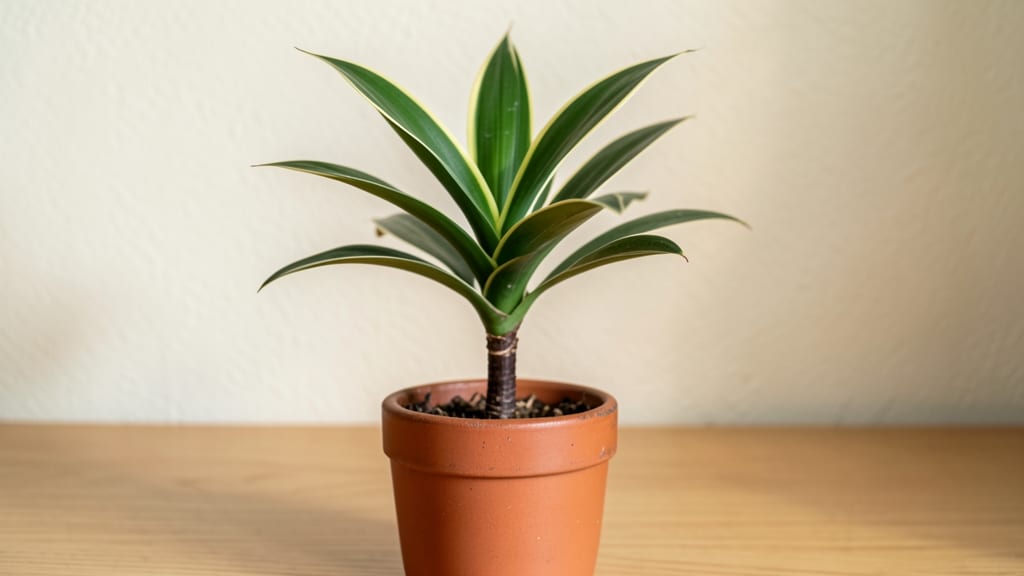
Your dragon tree sprout could become a full, bushy plant with the right pruning—without ever stressing the roots. ✂️ I’ve pruned mine for years, and the secret lies in timing, clean cuts, and letting new growth take over naturally.
Most people over-prune or do it at the wrong time, which stunts growth instead of encouraging it.
The best time to prune is late spring, just as new shoots start pushing from the sides. Use sharp, sterilized scissors to cut just above a leaf node—never tear the stems.
Aim for 2-3 cuts per branch max, and avoid removing more than 1/3 of the foliage in one session. Your plant will reward you with fresh, vibrant growth within 4-6 weeks.
What you’ll end up with is a dragon tree that looks fuller, healthier, and more balanced—no leggy stems or bare spots. The key is patience: slow growers like these need time between prunings, but the results are worth it.
Think of it like shaping a bonsai, but with less fuss and more drama.
Works for both young plants and mature trees, and the same rules apply whether you’re pruning indoors or out. Just remember: less is more. Here’s how to do it right the first time.
📚 In This Guide
- What you need
- Instructions
- Tips and common mistakes
- Wrapping up and next steps
What you need
- ● Sharp pruning shears: Bypass pruners (sterilized with rubbing alcohol) for clean cuts. Size: 5–7 inches.
- ● Disinfectant: 70% isopropyl alcohol or hydrogen peroxide (3%) to sterilize tools between cuts.
- ● Gloves: Nitrile or latex gloves to protect from sap irritation.
- ○ Rooting hormone (optional but recommended): Cloning gel or powder (e.g., Rootone) for cuttings.
- ● Small pots or trays: 4–6 inch pots with drainage holes for propagated cuttings. Quantity: 1 per cutting.
- ● Well-draining potting mix: Cactus/succulent mix or a blend of perlite, peat, and sand (1:1:1 ratio).
- ● Spray bottle: For misting cuttings to maintain humidity.
- ● Healthy dragon tree: Prune only when the plant is thriving (avoid during dormancy or stress periods).
- ● Light conditions: Bright, indirect light (east or west-facing window) for recovery.
- ● Patience: Bushier growth takes 4–8 weeks for new shoots to emerge!
Step-by-Step instructions for pruning your dragon tree sprout
Here's how I transform leggy dragon trees into full, bushy plants without shocking them.
✂️ Step 1: Identify the Right Branches to Trim
Look for branches that are growing too long or stretching toward the light—these are your targets. I focus on the topmost branches first, as they compete most aggressively for sunlight. Choose branches that are at least 6-8 inches long but still have 3-4 leaves remaining after trimming. Smaller branches won't produce enough energy for new growth.
Run your fingers along the branch to feel for leaf nodes (the small bumps where leaves attach). These are where new shoots will emerge. The closer the cut is to a leaf node, the faster your plant will respond. Avoid cutting too close to the main trunk—leave at least 1-2 inches of stem to prevent damage.
🌿 Step 2: Make Clean Cuts at the Correct Angle
Use sharp pruning shears (not scissors or your hands) to make a 45-degree angle about ¼ inch above a leaf node. This angle helps water run off the cut and prevents rot. If you're cutting a thicker branch, make the cut just outside the branch collar—the swollen area where the branch meets the trunk.
Don't crush the stem while cutting—this damages the plant's vascular system. I always test my shears on a small branch first to ensure they're sharp. If the cut looks jagged, your shears need sharpening. After trimming, wipe the blade with rubbing alcohol to prevent spreading disease between cuts.
☀️ Step 3: Encourage New Growth with Light and Water
Move your dragon tree to a bright, indirect light spot immediately after pruning. These plants need 6-8 hours of filtered light daily to recover and produce new shoots. If your home has low light, supplement with a grow light placed 12-18 inches away for 12-14 hours a day.
Water deeply but less frequently—let the top 2-3 inches of soil dry out between waterings. Overwatering after pruning stresses the plant and can lead to root rot. I check moisture by sticking my finger in the soil; if it feels dry at that depth, it's time to water. Avoid getting water on the leaves to prevent fungal issues.
🌱 Step 4: Monitor for New Sprouts and Adjust Care
Within 4-6 weeks, you should see new shoots emerging from the leaf nodes where you made cuts. These will appear as small, tight clusters of leaves. If you don't see new growth after 8 weeks, your plant may need more light or a balanced fertilizer applied every 2-3 months during spring and summer.
Once new growth appears, reduce watering slightly—young shoots are sensitive to overwatering. Pinch back any overly leggy new growth by cutting just above a leaf node to encourage even bushier growth. This second round of pruning usually happens 3-4 months after the initial trim.
Tips & tricks for perfect dragon tree pruning
Here's what nobody tells you about giving your dragon tree the perfect haircut—without stressing the plant.
Leaf Node Location: In Step 1, when identifying branches, remember that leaf nodes are your golden ticket to faster regrowth. The closer you cut to a leaf node (without cutting into it), the sooner you'll see new shoots. I like to count nodes backward from the end of the branch—aim for the third or fourth node from the tip for the best balance of energy and growth potential.
Shear Sharpness Test: Before you make your first cut in Step 2, test your pruning shears on a small, expendable branch. If the cut looks clean and doesn't squish the stem, you're good to go. Dull shears crush plant tissue, which can introduce bacteria and slow recovery. I keep a small bottle of rubbing alcohol nearby to wipe blades between cuts—it's the best way to prevent cross-contamination between branches.
Light Transition Strategy: After pruning, don't just move your plant to any bright spot. In Step 3, gradually introduce your dragon tree to its new light conditions over 3-4 days. Start with 2-3 hours of filtered light daily, then increase by 1-2 hours each day. This gradual adjustment prevents sunburn on the newly exposed stems and helps the plant acclimate without shock.
Watering Watch: The 2-3 inch soil dryness rule in Step 3 is your baseline, but here's the secret: check moisture in the morning before watering. Dragon trees store water in their stems, so they can handle slightly drier conditions than most tropical plants. If you're unsure, stick your finger in the soil—if it feels damp at 1 inch down, wait another day. Overwatering is the #1 cause of failed recovery after pruning.
Pro Tips for Dragon Tree Sprout
- Here's what nobody tells you about giving your dragon tree the perfect haircut—without stressing the plant.
- Leaf Node Location: In Step 1, when identifying branches, remember that leaf nodes are your golden ticket to faster regrowth.
- Shear Sharpness Test: Before you make your first cut in Step 2, test your pruning shears on a small, expendable branch.
Frequently asked questions
Got questions about nurturing your dragon tree sprout (Dracaena marginata)? We’ve got answers! Whether you’re a pruning pro or a first-timer, these FAQs will help you grow a lush, healthy plant without the guesswork.
How do I know when my dragon tree sprout is ready for pruning?
Prune your dragon tree when it reaches 12–18 inches tall or shows overcrowded growth. Look for yellowing leaves or leggy stems—these are signs it’s time! Prune in spring or early summer for the best results. Avoid heavy pruning in winter, as the plant is dormant.
Can I propagate my dragon tree sprout from cuttings?
After pruning, your cuttings can root easily in water or soil. For water propagation, place the cutting in a jar with 2–3 inches submerged. Change the water every 3–5 days. For soil, use a well-draining mix and keep it moist (not soggy). Roots should form in 4–6 weeks!
What should I do if my dragon tree sprout turns yellow after pruning?
Yellowing leaves after pruning are normal—the plant is adjusting! However, if it’s excessive, check for overwatering or low light. Let the soil dry out slightly between waterings and move the plant to bright, indirect light. Avoid fertilizing for 4–6 weeks post-pruning to reduce stress.
How often should I prune my dragon tree for bushier growth?
Prune your dragon tree once a year (spring/summer) to encourage bushiness. For faster growth, you can do a light trim (removing just the top few inches) every 6–12 months. Avoid aggressive pruning—stick to 1/3 of the plant’s height max per session to prevent shock.
What’s the best alternative if my dragon tree sprout isn’t thriving?
If your sprout struggles, try these fixes:
- Light: Move it to a brighter spot (but avoid direct sun).
- Water: Water only when the top 1–2 inches of soil are dry.
- Humidity: Mist leaves or use a pebble tray if your air is dry.
- Soil: Repot in well-draining cactus/succulent mix if it’s compacted.
Wrapping up and next steps
Growing a lush, healthy dragon tree sprout is all about patience, precision, and a little green thumb love! 🌿 By mastering the right pruning techniques—like timing, tool care, and proper healing—you’ll encourage bushier growth while keeping your plant stress-free.
Remember, less is more: focus on healthy cuts and consistent aftercare for the best results.
Ready to take your dragon tree to the next level? Start small—try pruning just one branch this season, observe how it responds, and build confidence. Soon, you’ll have a thriving, vibrant plant that’s the envy of every plant lover! 🌱✨