
Pruning
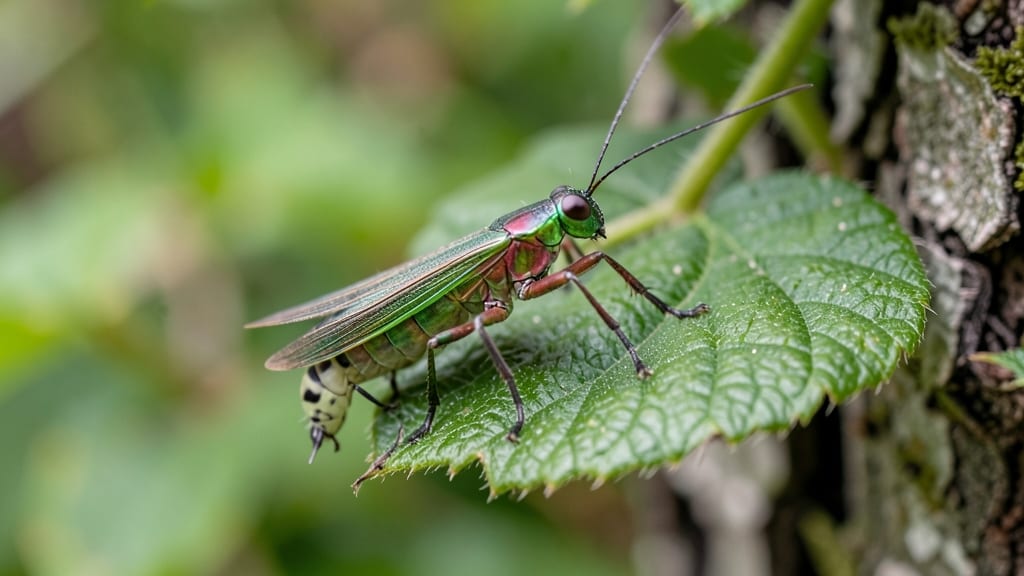
Elderberry trees get hit hard by leaf-eating bugs like aphids, Japanese beetles, and spider mites—those tiny invaders can turn your berries into a skeleton leaf buffet before you even notice. 🌿 I’ve lost entire harvests to them, but after years of trial and error, I’ve found the three-step defense that actually works without harsh chemicals.
The key? Catching the problem early, when bugs are still small and damage is minimal.
Most gardeners wait until the leaves look like Swiss cheese before acting—and by then, the bugs have already moved on to your neighbors’ trees. Instead, I check for sticky residue on leaves (aphid honeydew), tiny holes (beetle feeding), or fine webbing (spider mites) every 10 days during peak growing season.
A simple neem oil spray (1 tablespoon per quart of water) knocks out 90% of soft-bodied pests in 24 hours, and it’s safe for bees if applied at dusk.
Pruning isn’t just for shaping—it’s your first line of defense. I cut out any branch with heavy damage in early spring, then seal the cuts with pruning paint to prevent borers from sneaking in. For stubborn infestations, companion planting with mint, tansy, or catnip around the base repels beetles naturally.
The best part? Healthy trees resist pests better—so focus on watering deeply once a week and mulching to keep roots happy.
This method works for young trees and mature bushes, whether you’re growing elderberries for jam, syrup, or wildlife. The secret isn’t fancy tools—it’s consistent monitoring and quick action.
Once you spot the first signs, you’ll have those berries ripening without a single leaf chewed to ribbons. Let’s get your tree back to thriving!
Root Causes of Elderberry Invaders
Elderberry trees are a magnet for pests—not because they’re weak, but because their lush foliage, sweet berries, and tender new growth make them a buffet for hungry insects. Understanding why these critters show up in the first place is half the battle in keeping your tree thriving.
Below, we break down the real reasons behind elderberry tree bug infestations, from ecological quirks to human habits that accidentally invite them over.
Elderberry trees (Sambucus canadensis and Sambucus nigra) are native to North America and Europe, meaning they’ve evolved alongside insects that rely on them for food or shelter. Here’s why they’re such a hotspot:
- Rich in Sugars & Nutrients: The leaves, flowers, and berries are packed with natural sugars and proteins, making them a high-calorie snack for caterpillars, beetles, and aphids. 🍯 - Soft, Tender New Growth: Young leaves and stems are easy to chew compared to woody branches, so pests target them first. - Clustered Berries: Elderberries grow in dense bunches, creating hidden nooks where insects can lay eggs or hide from predators (and pesticides). - Attracts Beneficial Insects’ Enemies: Some bugs, like the elderberry borer moth, lay eggs inside the bark or stems.
Their larvae then burrow in, weakening the tree over time.
Pro Tip: 🌡️ If your tree is stressed (drought, poor soil, or over-pruning), it produces even more sugary sap—a pest magnet. Healthy trees are less appealing!
Many elderberry pests have synchronized life cycles with the tree’s growth stages. If you miss their peak activity windows, infestations can spiral:
| Pest | Peak Activity | Why It Strikes Now |
|---|---|---|
| Elderberry Sawfly | Late spring to early summer | Larvae hatch as leaves unfurl—easy access to fresh, tender foliage. |
| Japanese Beetles | June–August | Adults feed on leaves in broad daylight, skeletonizing them in days. |
| Aphids | Spring & fall | Cold-sensitive; they boom in mild winters and thrive on new shoots. |
| Elderberry Borer | Summer (larvae) | Females lay eggs in cracks or pruning wounds, and larvae tunnel into wood. |
Key Takeaway: 🎯 Most pests hit when the tree is growing fastest (spring/summer). Staying ahead with preventive sprays or physical barriers (like row covers) can stop them before they start.
Sometimes, our gardening habits unintentionally invite pests. Here’s how:
- Overwatering or Poor Drainage: 💦 Soggy soil weakens roots, making trees more vulnerable to borers and fungal diseases that attract secondary pests. - Ignoring Pruning Wounds: 🔪 Ragged cuts or old stumps create entry points for borers and beetles.
Always prune in late winter/early spring and seal wounds with pruning paint if needed. - Neighboring Infestations: 🌿 If a nearby tree is already infested, pests will migrate to your elderberry.
Scout surrounding plants for early signs! - Chemical Overuse: 🚫 Harsh pesticides can kill natural predators (like ladybugs or lacewings), leading to aphid or mite explosions later. - Compost or Mulch from Infested Areas: 🌱 Reusing yard waste from an infested tree can spread eggs or larvae to your healthy plants.
Pro Tip: ✨ Rotate remedies—if you only use neem oil, pests can build resistance. Combine physical barriers, beneficial insects, and organic sprays for long-term defense.
Where you live plays a huge role in which pests show up—and how bad they get:
- Warm, Humid Climates (Southeast U.S.): 🌡️ Japanese beetles and aphids thrive here due to longer growing seasons.
- Dry Regions (West U.S.): 🏜️ Sawflies and borers are more common because drought-stressed trees produce more sap (a pest attractant).
- Mild Winters (Pacific Northwest): ❄️ Fewer freezes mean overwintering pests (like scale insects) survive and multiply faster.
- Urban Areas: 🏙️ Pollution and compacted soil reduce natural predators, giving pests an edge.
Action Step: 📊 Check your USDA Hardiness Zone and local agricultural extension office for region-specific pest alerts—they often predict outbreaks weeks in advance!
A healthy elderberry tree has natural deterrents, but these can fail when:
- Lack of Beneficial Insects: 🐞 Ladybugs, lacewings, and parasitic wasps eat aphids and caterpillars.
If your yard lacks flowers or diverse plants, they won’t stick around. - Fungal or Bacterial Infections: 🍄 Powdery mildew or leaf spot weaken leaves, making them easier targets for chewing insects. - Competition for Resources: 🌿 If your tree is shaded by larger plants, it grows slowly and produces less resilient foliage.
Fix It: 💡 Plant companion plants like marigolds, dill, or yarrow to attract predators. These act as living pest traps!
Natural Ways to Outsmart Tree Pests
Pests on your elderberry tree can feel like an unwinnable battle, but with the right strategies, you can reclaim those lush leaves and berries without harsh chemicals. The key is targeted, eco-friendly action—whether you’re dealing with voracious caterpillars, sap-sucking aphids, or wood-boring beetles.
Below, we’ll match common elderberry tree invaders to simple, effective fixes, plus tips to keep pests from crashing the party next season.
Cause: Sawfly larvae, tent caterpillars, or gypsy moths devouring foliage, leaving skeletonized leaves behind.
Fix It: 🔥 Handpick & Drown – Grab a bucket of soapy water (1 tbsp dish soap per gallon) and pluck off caterpillars in the early morning when they’re sluggish. Dispose of them far from your garden. 🍳 Neem Oil Spray – Mix 2 tbsp neem oil + 1 tsp mild soap in 1 quart of water. Spray under leaves (where eggs hide) every 5–7 days until pests vanish. Pro tip: 🌡️ Apply when temps are above 50°F for best results. 👨🍳 Beneficial Nematodes – For grubs in the soil, water the base with Heterorhabditis bacteriophora nematodes (available online). They’re microscopic predators that eat larvae alive—no harm to plants or pets!
Prevent Next Year: ✨ Prune in Late Winter – Remove and destroy mummified egg masses (tent caterpillars lay them on branches). 🎯 Plant Companion Herbs – Basil, mint, and tansy repel leaf-eaters. Scatter them around the tree’s perimeter.
Cause: Sticky honeydew, yellowing leaves, or webbing—these pests drain sap and attract ants (who "farm" them).
Fix It: 🔪 Blast Them Off – Use a strong stream of water from a hose to dislodge aphids and mites. Repeat every 3–4 days. 🥘 Homemade Spray Recipe –
- Option 1: 1 liter water + 1 tbsp rubbing alcohol + 1 tsp castile soap (deters ants too).
- Option 2: Garlic spray – Blend 2 garlic cloves + 1 tsp cayenne pepper in 1 quart water. Strain and spray. Smells like a pest’s worst nightmare!
🌿 Introduce Ladybugs – Buy ladybug larvae (not adults—they’re picky eaters) or release lacewings (both feast on aphids).
Prevent Next Year: 💡 Encourage Ants’ Enemies – Ants protect sap-suckers, so spray ant trails with vinegar or set out borax bait stations (far from kids/pets). 🔥 Reflective Mulch – Cover the soil with white gravel or aluminum foil strips—it confuses mites and reduces egg-laying.
Cause: Wilting branches, sawdust-like frass, or oozing sap—these beetles tunnel into bark, weakening the tree.
Fix It: ⏰ Act Fast in Early Stages – If you spot small holes with sawdust, prune the infested branch 6 inches below the damage and burn/dispose of it (don’t compost!). Critical: Sterilize pruners with rubbing alcohol to avoid spreading larvae. 🍎 Diatomaceous Earth (DE) – Sprinkle food-grade DE around the tree’s base and on bark crevices. It’s a non-toxic abrasive that dehydrates beetles. Reapply after rain. 🌡️ Heat Treatment – For severe cases, wrap the trunk with black plastic in summer. The trapped heat can kill larvae inside.
Prevent Next Year: 🎯 Inspect & Seal Wounds – After pruning, paint cuts with pruning sealant to block entry points. 🔥 Attract Woodpeckers – These birds love beetle larvae. Install a birdhouse or leave deadwood nearby to lure them in.
- Boost Tree Health – Elderberries thrive with balanced soil (test pH; aim for 6.0–7.0). Add compost or worm castings in spring.
- Water Deeply & Early – Morning watering reduces humidity (pests love damp leaves). Aim for 1–2 inches per week.
- Traps & Barriers – - Pheromone traps for moths/caterpillars (check weekly). - Row covers (lightweight fabric) over young trees to block egg-laying pests.
- Rotate Remedies – Pests adapt! Alternate neem oil, insecticidal soap, and beneficial insects to stay ahead.
Remember: Patience is key—some fixes take 2–3 weeks to show results. Check your tree weekly in growing season, and celebrate small wins (like a single healthy leaf!). With these methods, your elderberry can bounce back stronger than ever—and next year’s berries will be the sweetest reward. 🍇✨
Frequently asked questions
What are the most common bugs that attack elderberry trees?
The worst offenders are Japanese beetles (they skeletonize leaves), elderberry sawfly larvae (green, inchworm-like caterpillars), aphids (tiny sap-suckers that leave sticky residue), and elderberry borers (larvae that tunnel into bark). Spider mites and tent caterpillars also cause major damage.
How do I tell if my elderberry tree has borers?
Look for small holes with sawdust-like frass (chewed wood shavings) around the trunk or branches, oozing sap, or weakened, wilting limbs. Tap the bark—if it sounds hollow, larvae are likely inside. Check in summer when adult beetles are most active.
Can I use neem oil on elderberry trees?
Yes! Neem oil is safe and effective for aphids, mites, and soft-bodied caterpillars. Mix 1 tablespoon per quart of water with a drop of mild soap, then spray under leaves (where eggs hide). Apply at dusk to avoid harming bees. For borers, neem oil won’t work—you’ll need pruning and diatomaceous earth instead.
Will my elderberries still be safe to eat if bugs are present?
Most leaf-eating bugs won’t contaminate the berries, but aphids and borers can leave residue. Always wash berries thoroughly before using. If you see large holes or webbing, harvest only fully ripe berries (they’re less likely to be damaged). For severe infestations, cover trees with netting during flowering.
How often should I check my elderberry tree for pests?
Inspect your tree every 10 days during peak growing season (May–September). Focus on new growth, undersides of leaves, and bark crevices—these are prime hiding spots. Early detection is key! Use a 10x magnifying glass to spot tiny eggs or mites.