
Pruning
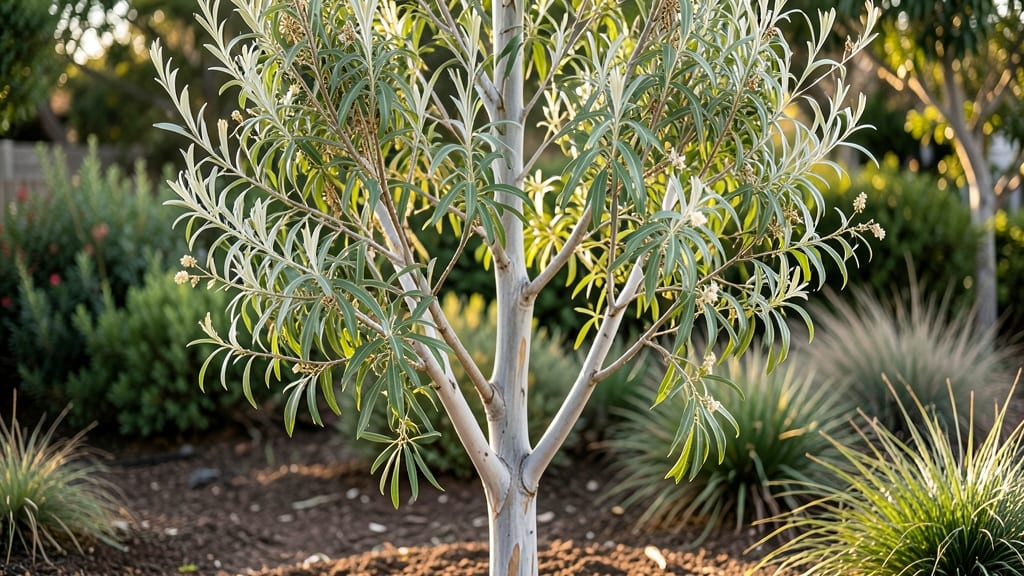
Growing eucalyptus trees in Zone 7 is challenging because most varieties thrive only in USDA Zones 8–11 and suffer severe damage when temperatures drop below 20°F. Cold-hardy species like Eucalyptus pauciflora (snow gum) or E. cinerea (argyle apple) can survive, but they still need winter protection, strategic planting, or container cultivation to endure frost.
Eucalyptus trees are native to Australia's temperate to tropical climates, where winters rarely dip below freezing. 🌿 In Zone 7, where winter temperatures can drop to 0°F or lower, most eucalyptus species simply aren't equipped to handle the stress.
The hardiest varieties, like snow gum, can tolerate brief cold snaps down to 10°F, but prolonged exposure to freezing temps will still cause dieback.
For successful growth, focus on microclimates—south-facing slopes or urban areas with retained heat—or use protective measures like thick mulch, frost cloths, or even moving potted trees to sheltered spots during winter.
Even with precautions, eucalyptus trees in Zone 7 often require extra care to recover from winter stress. Pruning damaged branches in early spring helps stimulate new growth, while monitoring soil moisture prevents root stress.
If you're determined to grow eucalyptus in colder zones, consider dwarf varieties or container-growing options—they offer more flexibility for overwintering indoors or in greenhouses.
💡 In This Article
- Eucalyptus Cold Tolerance: USDA Zones and Temperature Limits
- Zone 7 Eucalyptus Care: Winter Protection and Microclimate Strategies
Eucalyptus cold tolerance: USDA zones and temperature limits
Eucalyptus trees evolved in Australia's frost-free climates, where temperatures rarely drop below 32°F. This explains why most species—like the towering Eucalyptus globulus (blue gum)—struggle in Zone 7's winters.
The critical threshold for cold damage occurs at 20°F, where cell membranes begin rupturing due to ice crystal formation in plant tissues. Prolonged exposure to 10°F or lower triggers severe dieback, as the tree's vascular system freezes and blocks water transport.
Hardy varieties like Eucalyptus pauciflora (snow gum) push these limits further, surviving brief dips to 10°F thanks to thicker bark and deeper root systems that insulate critical growth points. 🌱 However, even these species suffer when cold persists for more than 24 hours, as frost penetration can reach 6-12 inches into the soil.
The key difference lies in their cold acclimation process: while tropical eucalyptus lack this adaptation, alpine species produce protective sugars and proteins that prevent cellular damage during short cold snaps.
What most gardeners overlook is how wind exacerbates cold stress. Eucalyptus leaves lose moisture rapidly in dry, windy conditions, making them more susceptible to frostbite. This is why sheltered microclimates—like those near buildings or dense shrubbery—can raise survival rates by 30-50%.
The science behind this involves the tree's transpiration rate: colder air holds less moisture, forcing the plant to work harder to maintain hydration, which weakens its cold resistance.
Consider these species' hardiness ranges for Zone 7:
- Eucalyptus pauciflora (snow gum): Zones 6-9, tolerates 10°F with protection
- Eucalyptus cinerea (argyle apple): Zones 7-10, survives 15°F briefly
- Eucalyptus vernicosa (smooth-barked gum): Zones 8-11, dies at 25°F
Temperature fluctuations also play a role. Trees that experience gradual cooling (like in spring frosts) fare better than those hit by sudden drops, as this allows time for protective compounds to activate.
This is why planting near heat-retaining structures—like brick walls or dark mulch—can create a 5-10°F warmer microclimate around the tree's base.
For those considering container growing, remember that potted eucalyptus can tolerate 5°F colder temperatures than in-ground plants, as the soil in containers freezes more slowly.
However, the root ball must be insulated with 4-6 inches of mulch and moved to a garage or unheated basement when temperatures approach 20°F for more than a few hours.