
Pruning
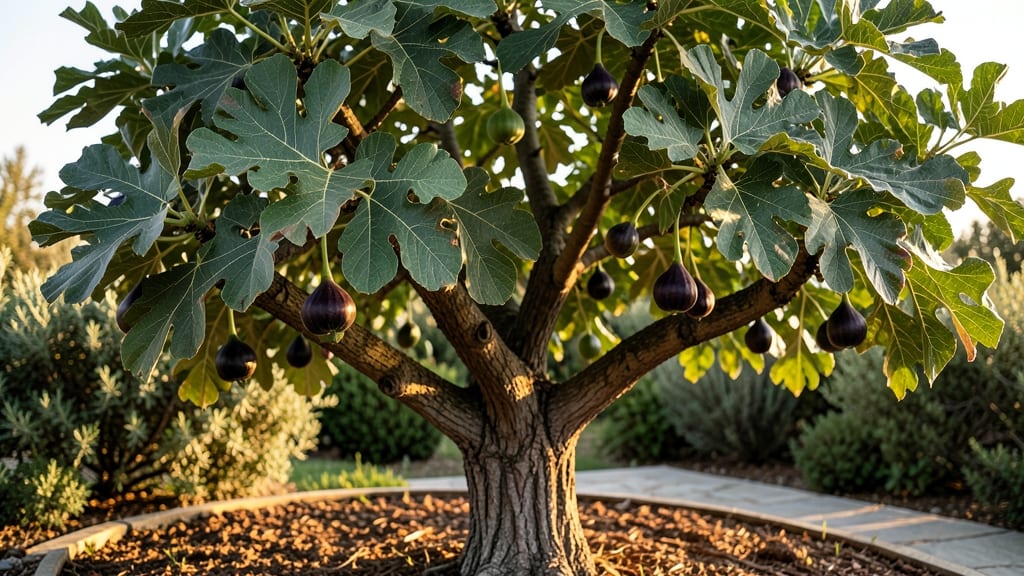
Fig trees thrive best in warm climates with mild winters, ideally in USDA zones 7 through 10, though certain varieties can survive brief cold snaps down to 15°F (-9°C). Once established, they handle drought well but require careful attention in extreme heat or high humidity.
Fig trees are tropical at heart, which means they crave warmth and struggle when temperatures drop too low. 🌳 The key to their success lies in finding that sweet spot between 10°F (-12°C) and 90°F (32°C)—any colder or hotter, and you risk stunted growth or fruit loss.
While they adapt to USDA zones 7-10, northern gardeners often grow them in containers or protected microclimates to extend the growing season. The real secret? Mulching heavily in winter and ensuring good air circulation during summer heat waves.
What’s fascinating is how fig trees handle stress differently based on their variety. Mediterranean types like 'Brown Turkey' are more cold-hardy, while tropical varieties such as 'Celeste' need near-perfect conditions. Even a single night below 20°F (-7°C) can kill tender varieties, so knowing your local frost dates is critical.
For those in marginal zones, wrapping the trunk or using frost blankets can make all the difference.
💡 In This Article
- Understanding Fig Tree Cold Hardiness and Heat Tolerance
- Best Practices for Growing Figs in Marginal Climates
Understanding fig tree cold hardiness and heat tolerance
Fig trees rely on a delicate balance between temperature and dormancy cycles. The science lies in their need for chilling hours—a period of cooler temperatures that triggers dormancy and prepares the tree for spring growth.
Most fig varieties require between 300-500 hours below 45°F (7°C) annually, which explains why they struggle in frost-free zones like Florida or California's coastal areas. When temperatures drop below 28°F (-2°C), the tree's sap begins to freeze, disrupting nutrient flow and damaging cell structures.
This is why even hardy varieties like 'Chicago Hardy' can only tolerate brief dips to 15°F (-9°C)—any colder, and the damage becomes irreversible.
Heat stress presents another critical challenge, particularly in zones 9-10 where temperatures frequently exceed 95°F (35°C). Figs respond to extreme heat by shutting down photosynthesis temporarily, which directly impacts fruit production.
The tree's leaves may curl or drop to reduce water loss, and the figs themselves can become small, misshapen, or even fail to ripen.
In these climates, afternoon shade cloth (30-50% coverage) can reduce leaf temperatures by 10-15°F (5-8°C), making a noticeable difference in fruit quality. 🌡️ The key is maintaining consistent moisture without waterlogging the roots, as figs are surprisingly sensitive to both drought and soggy soil.
This temperature sensitivity explains why fig trees thrive in USDA zones 7-10—these zones provide the ideal 10-30°F (5-15°C) winter lows that prevent sap freezing while offering 200-300 frost-free days for fruit development.
For example, in zone 8 (like parts of Georgia or Texas), figs enter dormancy in winter but receive enough chilling hours to break dormancy in spring. Meanwhile, in zone 10 (like Southern California), figs may produce fruit year-round but require protection from summer's intense heat.
The trade-off? Tropical varieties like 'Black Mission' produce larger crops in zone 10, while cold-hardy types like 'Celeste' yield reliably in zone 7.
What most gardeners overlook is how humidity interacts with temperature. Figs despise high humidity combined with heat—conditions that promote fungal diseases like root rot or leaf spot. In zones 9-10, where humidity often exceeds 70%, proper air circulation (via pruning and spacing) is essential.
Even a slight breeze can reduce humidity around the leaves by 10-15%, significantly lowering disease risk. This is why fig trees in coastal areas often need more frequent pruning to maintain an open canopy, while inland varieties in drier zones (like Arizona) can grow with minimal intervention.
Consider the example of 'Brown Turkey,' a popular cold-hardy variety that thrives in zone 7 but struggles in zone 11's heat. Its leaves develop a waxy coating in summer to retain moisture, but this adaptation fails when temperatures exceed 100°F (38°C) for prolonged periods.
Meanwhile, 'Desert King' figs, bred for arid climates, have thicker cuticles that reduce water loss—making them ideal for zone 9's desert-like conditions. These differences highlight how variety selection is just as critical as climate adaptation. 🌿
The real magic happens in transition zones (6-8), where gardeners use microclimates to extend the growing season. A south-facing wall or greenhouse can add 5-10°F (3-5°C) of warmth, allowing figs to survive winters in areas like upstate New York or the Pacific Northwest.
The trick? Planting near heat-absorbing surfaces (like brick or stone) and using 3-4 inches of mulch to insulate roots. This creates a localized environment that mimics the fig's natural Mediterranean habitat, where temperature swings are moderate but consistent.