
Container Gardens
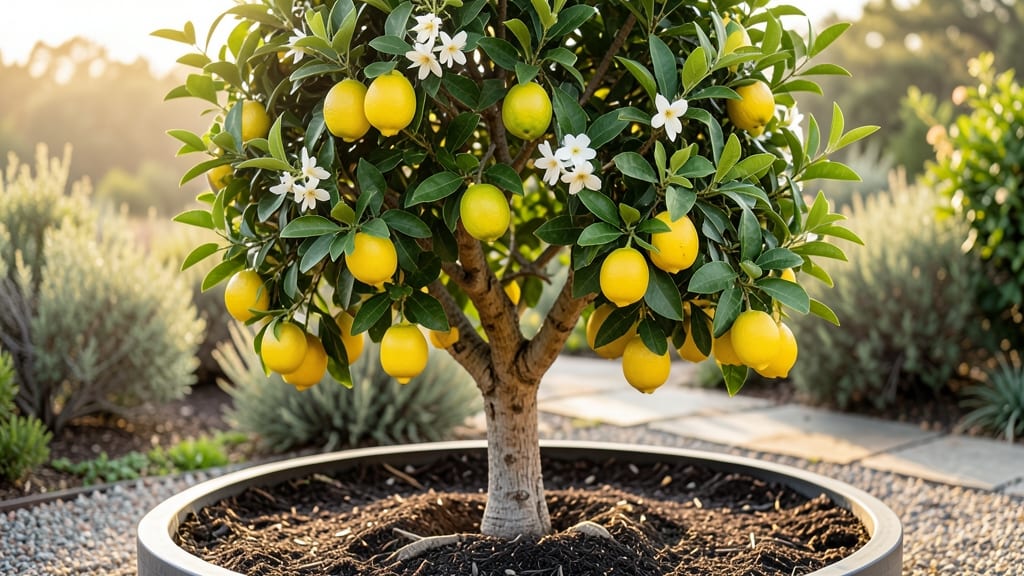
Growing a Meyer lemon tree 🍋 in the right zones means the difference between a thriving citrus harvest and a frost-killed dream.
Picture this: you’re sipping fresh lemonade in January, straight from your backyard tree—sounds impossible, right? But with the right climate strategy, Meyer lemons can flourish even in cooler areas where standard citrus would freeze.
The key lies in understanding USDA zones 8 through 11, where microclimates and protective tactics turn winter into a citrus-friendly season.
Most growers assume these trees need year-round warmth, but Meyer lemons are surprisingly adaptable. In zones 9b and above (like coastal California or Florida), they grow outdoors year-round, while zones 7-8 can still succeed with containers, mulch, or indoor overwintering.
I’ll break down the exact zones where they thrive, plus the game-changing tricks to extend their season in colder regions.
Ready to grow your own lemons? You’ll learn how to pick the perfect spot, shield your tree from frost, and even troubleshoot common mistakes—so you can enjoy homegrown citrus no matter where you live.
Meyer lemon tree USDA growing zones: where cold-hardiness meets citrus success
If you’ve ever dreamed of plucking sweet, juicy Meyer lemons straight from your backyard, you’re not alone—but those freezing winter winds can feel like a major roadblock. The good news?
This hybrid citrus is far more cold-tolerant than its standard lemon cousins, thriving in USDA zones 9-11 while surviving occasional dips in zones 8-9 with the right care.
Unlike traditional lemons that bolt at the first frost, Meyer lemons can handle temperatures down to 20°F (-6°C) for short periods, making them a citrus game-changer for cooler climates.
But here’s the catch: without proper strategies, even a zone 8 winter can turn your tree into a sad, frostbitten stump. That’s why understanding microclimates, container growing, and seasonal adjustments is key.
Whether you’re in Southern California’s coastal zone 10 or North Carolina’s zone 7b, we’ll break down exactly where and how to grow Meyer lemons—plus how to stretch their growing season like a pro. Let’s dive into the zones where this sun-loving citrus truly shines.
🌱
Let’s start with the sweet spots where Meyer lemons thrive naturally—zones 9-11. In these regions, your tree can stay outdoors year-round with minimal fuss. Zone 9b, for example, includes parts of Southern California, Arizona, and Florida, where temperatures rarely dip below 25°F (-4°C).
Here, Meyer lemons grow vigorous, producing fruit year-round with proper care. The key? Plant in well-draining soil and give them 6-8 hours of sunlight daily. In zone 10a-11, coastal areas like Hawaii or Southern Texas offer nearly frost-free conditions, making them ideal for outdoor citrus gardens.
But what if you’re in zone 8, where winters can flirt with 20°F (-6°C)? This is where Meyer lemons earn their cold-hardy reputation. While they can handle brief cold snaps, prolonged frost will damage leaves and fruit. The solution? Microclimates and container growing.
Place your tree near a south-facing wall or under eaves to trap heat. For extra protection, wrap the trunk with burlap and cover the tree with a frost blanket when temperatures drop below 30°F (-1°C). In zone 8b, you might even get outdoor fruit production with these tactics!
For gardeners in zones 7a-7b, the challenge ramps up—but don’t give up yet. These areas, like parts of North Carolina or Oregon, see winters dipping to 15°F (-9°C), which is too harsh for outdoor Meyer lemons. The workaround? Container growing combined with indoor overwintering.
Move your potted tree to a sunroom or garage with grow lights before the first frost, then bring it back outside in spring once temperatures stabilize. With this method, you can still enjoy homegrown Meyer lemons even in cooler climates.
One common mistake I see is assuming all Meyer lemons are created equal when it comes to cold tolerance. While they’re hardier than standard lemons, young trees (under 3 years old) are far more vulnerable.
Always start with a dwarf or semi-dwarf variety in containers for easier winter moves. Also, avoid planting in low-lying areas where cold air pools—elevated spots or slopes stay warmer overnight.
Pro tip: Mulch heavily around the base in fall to insulate roots, using straw or wood chips for an extra 5°F (3°C) buffer.
Now, let’s talk seasonal adjustments. In zones 9-11, Meyer lemons
Protecting Meyer lemon trees in cold zones: 5 essential winter care strategies
Living in USDA zones 7-8 doesn’t mean you have to give up on growing Meyer lemon trees. With the right winter care strategies, you can protect your tree from freezing temperatures and enjoy fresh lemons year-round.
The key is understanding how to shield your tree during the coldest months while maintaining its health.
Meyer lemons are typically grown in zones 9-11, but their adaptability makes them a great choice for cooler climates with proper protection. Whether you're using container growing, mulching techniques, or indoor overwintering, these methods can save your tree from frost damage.
Let’s dive into the five essential strategies to keep your Meyer lemon tree thriving in cold zones.
- 🪴 Container Growing: Move potted trees to sheltered locations or indoors before first frost (below 28°F). Use insulated pots and wrap roots in bubble wrap.
- 🌿 Mulching: Apply a 4-6 inch layer of organic mulch (straw or wood chips) around the base to insulate roots and retain warmth.
- 🧥 Frost Blankets: Cover the tree with a breathable frost blanket when temperatures drop below 30°F. Secure edges tightly to prevent wind damage.
- 🏠 Indoor Overwintering: For extreme cold (<20°F), bring potted trees indoors near a south-facing window or under grow lights.
- ☀️ Microclimate Protection: Plant near heat-retaining walls or use row covers to create a warmer microclimate for outdoor trees.
One of the most effective methods for protecting your Meyer lemon tree in cold zones is container growing. Potted trees are easier to move indoors or to sheltered locations before the first frost.
Use insulated pots or wrap the container in bubble wrap to provide extra insulation. Place your tree in a location that receives plenty of sunlight, even during the winter months.
If you’re growing your Meyer lemon tree in the ground, mulching is a must. A thick layer of organic mulch around the base of the tree helps insulate the roots and retain moisture.
Straw or wood chips work well, and you should apply a 4-6 inch layer before the first frost. This method is especially effective in zone 8, where temperatures can fluctuate dramatically.
When temperatures drop below 30°F, it’s time to break out the frost blankets. These breathable covers protect your tree from frost damage while allowing air circulation. Secure the blanket tightly around the tree to prevent wind from tearing it away.
For added protection, you can also use Christmas lights wrapped around the tree to provide gentle warmth during cold nights.
In zone 7, where winters can be particularly harsh, indoor overwintering might be your best option. Move your potted Meyer lemon tree indoors near a south-facing window or under grow lights to ensure it gets enough sunlight.
Reduce watering during this period, as the tree will naturally go into a dormant state. Gradually reintroduce it to outdoor conditions in the spring to avoid shock.
Finally, creating a microclimate can make a significant difference in protecting your Meyer lemon tree. Planting near a heat-retaining wall or using row covers can help trap warmth and protect your tree from cold winds.
This method works well for both potted and in-ground trees, making it a versatile option for gardeners in cooler climates.