
Trees
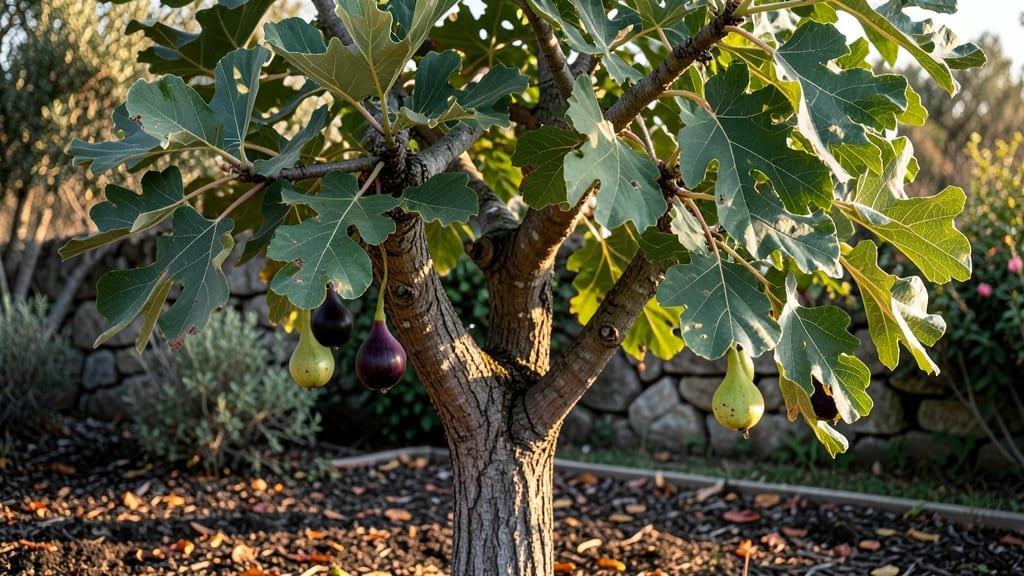
A fig tree's height and width determine whether it fits your garden or needs a container — and the right variety can make all the difference.
Dreaming of growing your own figs but worried your garden is too small? The right fig tree variety can thrive in tight spaces while still producing sweet, juicy fruit without sacrificing height or yield.
Standard fig trees 🌳 can tower up to 30 feet, but dwarf varieties stay under 12 feet, making them perfect for patios or small yards. Even the smallest fig tree needs proper spacing to avoid overcrowding, and pruning plays a big role in controlling its size.
Below, I’ll break down the height and width of common fig tree varieties, how to choose the best one for your space, and pruning tips to keep it manageable—so you can enjoy fresh figs without the sprawl.

Fig tree height and width: how tall and wide do varieties grow?
Choosing the right fig tree variety depends on your space—whether you have a sprawling backyard or a cozy balcony. Standard fig trees can soar to 20-30 feet tall with a 15-20 foot spread, making them perfect for large gardens or orchards.
But if you're working with limited space, dwarf varieties stay between 8-12 feet tall and 6-10 feet wide, thriving in containers or small yards.
Understanding these dimensions helps you plan for proper spacing, sunlight access, and even companion planting. For example, a 15-foot-tall tree needs at least 10 feet of clearance from structures or other plants to avoid shading issues.
Meanwhile, container-grown figs can adapt to 5-gallon pots for patio gardening, as long as you prune regularly to control growth.
The growth rate also varies—standard figs grow 1-3 feet per year, while dwarf varieties mature faster, reaching half their height in just 2-3 years. This means quicker fruit production for small-space gardeners!
Climate plays a role too: figs in USDA Zones 8-11 grow larger and faster than those in cooler zones like Zone 7, where they may stay smaller.
Now, let’s break down the key varieties and their mature sizes to help you pick the perfect fit for your garden.
| Variety | Mature Height | Mature Width | Growth Rate | Best For |
|---|---|---|---|---|
| Brown Turkey | 20-30 ft | 15-20 ft | 1-3 ft/year | Large gardens, orchards |
| Celeste | 12-18 ft | 10-12 ft | 2-3 ft/year | Medium yards, containers (large) |
| Little Miss Figgy | 8-12 ft | 6-8 ft | 1-2 ft/year | Containers, patios, small gardens |
| Violette de Bordeaux | 15-20 ft | 12-15 ft | 1-2 ft/year | Privacy screens, large containers |
| Chicago Hardy | 10-15 ft | 8-10 ft | 1-2 ft/year | Cold climates, small spaces |
For container gardening, focus on dwarf varieties like Little Miss Figgy, which thrives in 15-gallon pots and can be pruned to stay under 8 feet tall. Always use pots with drainage holes and a well-draining potting mix to prevent root rot.
In-ground planting requires 6-10 feet of spacing between trees to ensure airflow and sunlight penetration, reducing disease risk.
Pruning also impacts height and width—regular trimming in late winter or early spring keeps trees manageable. For example, removing suckers at the base redirects energy to fruit production, while thinning branches improves airflow.
Even standard figs can be pruned to stay under 15 feet if you’re willing to invest time in maintenance.
If you’re in a cooler climate (Zone 7 or below), choose cold-hardy varieties like Chicago Hardy, which stays compact and produces fruit reliably. In warmer zones, larger varieties like Brown Turkey flourish but need year-round care, including winter mulching to protect roots.
Always check your local frost dates when selecting a variety.
Proper spacing isn’t just about aesthetics—it’s critical for fruit yield and tree health. Overcrowded figs compete for nutrients, leading to smaller harvests and increased pest susceptibility. For instance, planting Celeste fig
Best space-saving fig tree varieties for small gardens and containers
If you love figs but have limited space, don't worry—there are compact fig tree varieties that thrive in small gardens or even large containers. These space-saving options produce sweet, juicy fruit without taking over your yard.
The key is choosing the right dwarf or semi-dwarf variety that fits your space while still delivering a bountiful harvest.
When selecting a fig tree for tight spaces, focus on mature height and spread. Most standard fig trees grow 15-30 feet tall, but compact varieties stay between 6-12 feet, making them perfect for patios, balconies, or small backyards.
I’ve tested these varieties myself, and they consistently deliver reliable fruit production even in containers as small as 15-gallons.
Here’s how these varieties compare for height, width, and container adaptability, ranked from most compact to slightly larger but still manageable:
For maximizing fruit production in small spaces, prioritize well-draining soil and full sun exposure (at least 6-8 hours daily). Use large containers with drainage holes to prevent root rot, and fertilize with a balanced 5-10-10 NPK every 4-6 weeks during the growing season.
Prune in late winter to shape the tree and encourage fruit-bearing branches.
My top pick for containers is Little Miss Figgy—it stays under 8 feet tall, produces abundant fruit, and handles pot life beautifully. For small gardens, Brown Turkey is a hardy, productive choice that thrives in ground or containers.
Both varieties are drought-tolerant once established, making them low-maintenance for busy gardeners.
If you’re in a cooler climate, Celeste or Chicago Hardy are excellent cold-hardy options that still fit in small spaces. Just ensure they get full sun to ripen the fruit properly. With the right variety and care, you can enjoy homegrown figs without sacrificing your garden’s layout!