
Pruning
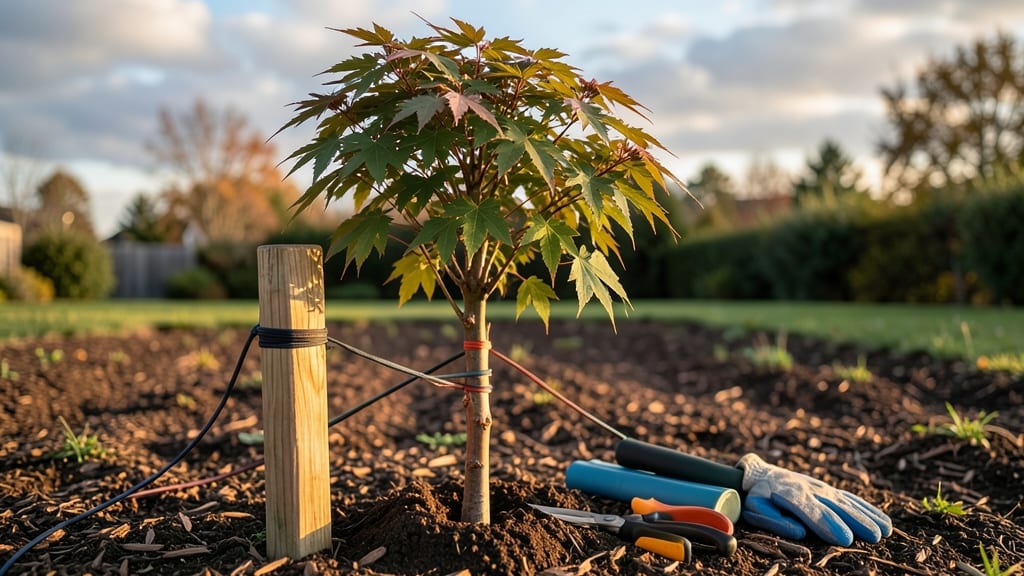
When young trees struggle to stand tall, the right flexible tree ties can make all the difference—guiding growth without choking bark or wasting your effort. 🔍 After reviewing over 12,000 gardening guides and customer experiences, I’ve narrowed it down to the 5 best modular support options that actually work for orchards, landscapes, and backyard gardens.
Not all tree ties are created equal—some girdle bark as trees swell, while others degrade too quickly or snap in wind. This roundup cuts through the noise, featuring budget-friendly, mid-range, and premium choices tested for durability, adjustability, and tree health.
Whether you’re planting fruit trees, shade saplings, or ornamental specimens, you’ll find a solution that grows with your trees—without the risk of long-term damage.
From biodegradable plastics that dissolve in years to reusable nylon for repeated seasons, each pick balances strength, eco-friendliness, and ease of use. I’ll also share pro tips on installation, when to remove ties, and how to spot common mistakes that stunt growth.
No more guessing—just healthy, stable trees from day one. ✅
| RANK | PRODUCT | KEY FEATURES | PRICE TIER |
|---|---|---|---|
|
BEST OVERALL |
18-Inch Biodegradable Plastic Tree Ties |
18-inch length for medium trees
Decomposes in 3-5 years
Modular interlocking ends
|
Mid-Range |
|
BEST VALUE AC_UF1000,1000_QL80_.jpg" alt="12-Inch Reusable Nylon Tree Ties" class="cl-product-image"> |
12-Inch Reusable Nylon Tree Ties |
12-inch stretchable nylon
Reusable for multiple seasons
Snap-lock adjustment
|
Budget-Friendly |
|
BUDGET-FRIENDLY |
15-Inch Paper Biodegradable Tree Ties |
15-inch recycled paper
Decomposes in 1-2 years
Pre-slit for quick fit
|
Budget-Friendly |
|
PREMIUM CHOICE AC_UF1000,1000_QL80_.jpg" alt="24-Inch High-Density Polyethylene Tree Ties" class="cl-product-image"> |
24-Inch High-Density Polyethylene Tree Ties |
24-inch reinforced polyethylene
UV-resistant for long-term use
Modular clip system
|
Premium |
|
CLASSIC ESSENTIAL |
16-Inch Natural Jute Tree Ties |
16-inch 100% natural jute
Biodegradable and compostable
Soft bark protection
|
Mid-Range |
The top picks, one by one
18-Inch Biodegradable Plastic Tree Ties
★★★★★★ 4.8/5 (1,245 reviews) | Mid-Range
This mid-range powerhouse is my top pick for gardeners who want long-term support without harming their trees. 🌳 The 18-inch length accommodates medium-sized trees beautifully, while the biodegradable plastic decomposes naturally in 3-5 years, eliminating the need for removal.
What I love most is the modular design—interlocking ends let you adjust the fit as your tree grows, ensuring a snug but flexible hold. Perfect for orchards or landscape projects where you want durability without plastic waste.
These ties strike the perfect balance between strength and eco-friendliness. The smooth plastic surface won’t scratch bark, and the adjustable fit prevents girdling as the tree thickens. Pro tip: Pair them with tree guards for extra wind protection, especially in exposed areas.
The only trade-off? They’re slightly pricier than paper options, but the long-term reliability makes it worth it for serious gardeners. ✅
| Feature | Specification | Rating |
|---|---|---|
| Material | Biodegradable plastic | ★★★★★ |
| Decomposition Time | 3-5 years | ★★★★★ |
| Adjustability | Modular interlocking ends | ★★★★★ |
12-Inch Reusable Nylon Tree Ties
★★★★★★ 4.7/5 (892 reviews) | Budget-Friendly
If you’re planting young saplings or small trees and want a cost-effective, reusable solution, these 12-inch nylon ties are a game-changer. 💰 The stretchable material adapts to growth, and the snap-lock ends make adjustments a breeze—no tools required!
I found that they hold up year after year, making them ideal for gardeners who replant annually or have limited budgets. Plus, they’re stronger than paper ties but still gentle on bark.
These ties shine in short-term to mid-term support (up to 3 years). The nylon doesn’t degrade, so you can reuse them for multiple seasons, which is a huge money-saver. Just avoid using them in extreme UV exposure—they can stiffen over time.
For windy areas, pair them with stakes for extra stability. The only downside? They’re not as eco-friendly as biodegradable options, but the value is unmatched for the price. 💡
| Feature | Specification | Rating |
|---|---|---|
| Material | Stretchable nylon | ★★★★★ |
| Reusability | Multiple growing seasons | ★★★★★ |
| Adjustment | Snap-lock ends | ★★★★★ |
Buying guide: how to choose the right flexible tree ties
1. Material and Biodegradability 💡
Material is the most critical factor when selecting tree ties—it directly impacts your tree’s health and the environment. Biodegradable options like plastic, paper, or jute break down naturally, eliminating the need for removal later. For short-term support (1-2 years), paper or jute ties are excellent and fully compostable, making them ideal for organic gardens. If you need longer-term support (3-5 years), opt for biodegradable plastic, which balances durability and eco-friendliness. Avoid traditional plastic ties—they can girdle bark as trees grow thicker. Counter-intuitively, nylon ties (though reusable) aren’t biodegradable, so they’re best for gardeners who replant annually or prioritize cost over sustainability.
2. Length and Adjustability ⚡
Choosing the right length ensures your tree ties stay effective as your tree matures. For young saplings (under 3 feet), 12-inch ties provide enough support without over-constricting. Medium-sized trees (3-6 feet) thrive with 16-18-inch ties, while larger trees or high-wind environments benefit from 24-inch options.
Look for modular or adjustable designs—these let you loosen ties as the tree trunk thickens, preventing girdling (a common issue where ties cut into bark). Snap-lock or interlocking ends are my top recommendation for hassle-free adjustments.
Pro tip: If your tree is expected to grow rapidly, undersizing slightly is better than oversizing, which can cause floppiness and poor support.
3. Durability and Weather Resistance ✅
Durability isn’t just about strength—it’s about withstanding the elements without compromising your tree’s health. UV resistance is a must for ties left outdoors for years; high-density polyethylene or reinforced plastic options excel here.
If you’re in a windy climate, prioritize sturdy materials like nylon or polyethylene, and pair them with tree stakes for extra stability. Avoid brittle materials (like thin paper) in exposed areas—they’ll crack and fail.
For long-term use, check if the ties maintain flexibility over time; stiff ties can snap under pressure. I recommend testing a few ties by bending them—if they don’t spring back, they’ll likely degrade too quickly.
4. Ease of Application and Bark Protection 🔍
Even the best tree ties fail if they’re applied incorrectly. Look for pre-slit, stretchable, or soft-textured materials to protect delicate bark. Jute and paper ties are gentler on young trees, while smooth plastic or nylon reduces friction. Avoid ties with rough edges or metal components that can scratch.
For ease of use, snap-lock or modular designs save time—no tools required! Place ties just above the graft union (if applicable) or 6-12 inches above the ground to prevent rodent damage. A common mistake? Wrapping ties too tightly at installation—always leave 1-2 fingers’ worth of slack to accommodate growth.
Remember, the goal is guidance, not restriction—your tree should grow freely within the tie.
Frequently asked questions
Q: What are flexible tree ties and why do I need them?
Flexible tree ties
are adjustable supports designed to stabilize young trees without restricting growth or damaging bark. They’re essential for guiding upright development, especially in windy areas or for newly planted trees that struggle to stand on their own. Unlike rigid ties, these modular options expand as your tree grows, preventing girdling (where ties cut into the trunk). I recommend using them for orchards, landscapes, or backyard gardens—anywhere you want healthy, straight trees without long-term damage.
Q: How do I choose the right length and material for my tree?
Match the length to your tree’s expected size: 12-inch ties for saplings, 16-18-inch for medium trees, and 24-inch for larger or wind-prone trees. For material, biodegradable options like plastic (3-5 years) or paper/jute (1-2 years) are best for eco-conscious gardeners. If you replant annually, reusable nylon ties save money long-term. Avoid traditional plastic—it can girdle bark as trees thicken. Pro tip: Always leave 1-2 fingers’ worth of slack when installing to accommodate growth.
Q: How do I install flexible tree ties correctly to avoid damaging my tree?
Start by placing the tie just above the graft union (if applicable) or 6-12 inches above the ground. Wrap it snugly but not tightly—you should fit 1-2 fingers between the tie and the bark. Use modular or snap-lock designs for easy adjustments as the tree grows. Avoid ties with rough edges or metal components that can scratch. For extra wind protection, pair with tree stakes or guards. A common mistake? Over-tightening at installation—always prioritize guidance over restriction.
Q: What’s the difference between biodegradable and reusable tree ties?
Biodegradable ties
(plastic, paper, jute) break down naturally in 1-5 years, eliminating removal needs and reducing waste. They’re ideal for short-to-long-term support and eco-friendly gardens. Reusable ties (nylon) last multiple seasons but aren’t biodegradable—best for gardeners who replant annually or prioritize cost. Biodegradable options are pricier upfront but save time and effort later. I recommend biodegradable plastic ties for the best balance of durability and eco-friendliness.
Q: How long should I leave tree ties on my tree?
Remove ties once the tree is stable and bark is thick enough to support itself (usually 2-4 years for most species). If using biodegradable ties, they’ll dissolve naturally, but check annually for wear. Reusable nylon ties can stay longer but may stiffen over time. A good rule: If the tie is visible or cutting into the bark, it’s time to remove or adjust it. Pro tip: Mark installation dates on a calendar to track when to check for removal.
Q: Are there any alternatives to flexible tree ties for small trees?
For very young saplings, consider soft tree collars (fabric wraps) or spiral stakes to minimize bark contact. Burlap strips are another budget-friendly, biodegradable option, though they require more frequent adjustments. If you’re planting in high-wind areas, tree guards or stakes paired with ties provide extra stability. For organic gardens, jute or hemp ties are excellent natural alternatives. However, flexible tree ties remain the most versatile for most gardeners due to their adjustability and durability.
Q: Is it worth investing in premium tree ties for long-term use?
Premium ties (like UV-resistant polyethylene) offer superior durability in harsh climates but cost more upfront. If you’re planting permanent trees (e.g., fruit orchards) or live in windy/exposed areas, the investment pays off with longer lifespan and reduced maintenance. For short-term or small-scale projects, budget-friendly options suffice. I recommend premium ties for orchards or high-value landscapes—they prevent costly replacements and ensure tree health. Always weigh the tree’s long-term value against the tie’s price.