
How To
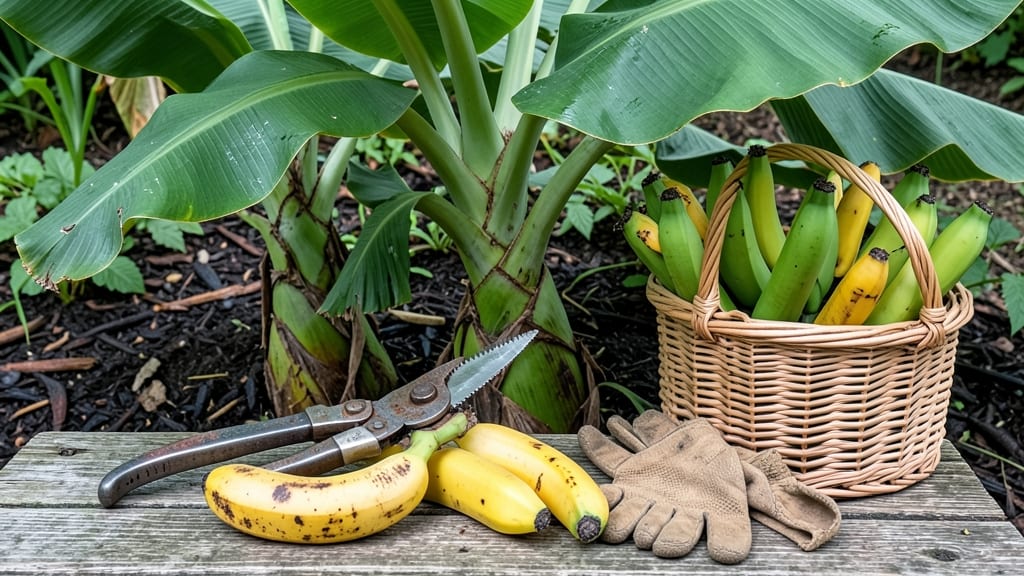
Picking a Florida banana tree 🍌 at the perfect time means the difference between sweet, creamy fruit and tough, underripe disappointment—and the key is knowing when to act.
You’ve probably watched your bananas grow from tiny green buds to full size, only to wonder, "Are they ready yet?" In Florida’s warm, humid climate, timing is everything, and picking too early or too late can ruin your harvest.
Below, I’ll walk you through the exact color and texture cues to look for, how seasonal shifts affect ripeness, and the one simple trick to test if your bananas are truly ready to pick.
No more guesswork—just a foolproof way to enjoy bananas at their peak, straight from your own backyard tree.


How to identify ripe bananas on Florida trees by color and texture
Florida’s warm, humid climate creates perfect conditions for growing banana trees, but knowing exactly when to pick bananas can be tricky. Unlike grocery store bananas, Florida-grown varieties ripen on the tree—but they’re best picked just before full ripeness for maximum flavor.
The key lies in observing color changes, fruit texture, and even the stem’s condition. Overlooking these signs often leads to either underripe (hard, bland) or overripe (mushy, seedy) fruit.
Most Florida banana trees produce fruit year-round, but peak harvest seasons align with spring and early summer when temperatures are ideal. However, the real magic happens in the visual and tactile cues that tell you the fruit is ready.
For example, a banana’s skin might shift from bright green to a yellow-green with tiny brown specks, while the stem near the fruit softens slightly. These details make all the difference between a disappointing harvest and a bounty of sweet, creamy bananas.
Regional variations in Florida also play a role. Trees in southern Florida (like Miami-Dade) may ripen faster due to higher humidity, while those in central Florida (Orlando area) might take a few extra days. Understanding these local differences ensures you’re picking at the perfect moment, regardless of where your tree is planted.
Start by examining the banana’s color. When fully grown but still slightly firm, the skin transitions from bright green to a yellow-green hue with small brown specks—this is your prime picking window.
For example, a Cavendish banana will show these specks along the sides, while red bananas might develop a reddish blush. Ignoring this cue often means waiting too long, and the fruit can become overripe and seedy.
Next, check the fruit’s texture by gently squeezing it. A ripe banana should feel firm but slightly yielding, almost like a ripe avocado. If it’s hard and resists pressure, it’s not ready yet.
On the flip side, if it feels soft or mushy, it’s past its peak. This tactile test is just as important as visual cues, especially in Florida’s heat, where bananas can ripen quickly.
The stem’s condition is another critical clue. As bananas near ripeness, the stem where the fruit attaches to the hand will soften slightly. You might even notice it pulling away from the hand when you gently tug.
This happens because the fruit is detaching internally, signaling it’s ready to be picked. If the stem feels wooden or hard, the banana isn’t ready yet.
Florida’s humidity and temperature can speed up ripening, so don’t wait too long once you spot these signs. In southern Florida, bananas might ripen in as little as 2-3 weeks after reaching full size, while those in northern Florida (like Jacksonville) may take a few extra days.
Pay attention to your local climate—if you notice bananas ripening faster than usual, start checking them weekly instead of every other week.
One common mistake is picking bananas based solely on size. While a banana should reach its full expected length (typically 6-8 inches for most Florida varieties), size alone isn’t enough.
A banana that’s fully grown but still bright green and hard won’t ripen properly off the tree. Always combine color, texture, and stem condition for the best results.
If you’re unsure whether your bananas are ready, try the "thumb test": Press your thumb into the skin. A ripe banana will leave a slight dent that doesn’t spring back.
This simple trick works wonders in Florida’s heat, where bananas can go from perfect to overripe in a matter of days. Once you master these cues, you’ll never second-guess your harvest again.
Finally, remember that bananas continue to ripen after picking. If you’ve spotted the perfect yellow-green with specks but need a few more days, go ahead and harvest them. Store them in a cool, dry place (like a shaded porch) to slow ripening until you’re ready to enjoy them.
This flexibility is one of the perks of growing your own—you’re in control of the timing!
Best time of year to harvest Florida bananas for peak sweetness
Florida’s warm, frost-free climate means you can harvest bananas year-round, but timing matters for that perfect balance of sweetness and texture. The ideal harvest window shifts slightly with seasons, influenced by temperature and rainfall patterns.
In general, bananas ripen fastest during Florida’s hot, humid summers, while cooler winter months slow down the process.
Most Florida banana varieties—like the popular Dwarf Cavendish and Red Dacca—reach peak ripeness between late spring and early fall. This aligns with Florida’s natural growing rhythm, where higher temperatures and consistent rainfall speed up fruit development.
However, with proper care, you can still enjoy ripe bananas in winter, though they may take longer to mature.
- 🌡️ Spring (March-May): Bananas planted in late fall or winter often produce fruit by spring. Harvest when temperatures hover around 75-85°F—this sweetens the fruit without overripening.
- ☀️ Summer (June-August): The peak harvest season due to intense heat and humidity. Expect faster ripening—check bananas every 5-7 days to avoid overripeness.
- 🌧️ Fall (September-November): A second harvest wave occurs as temperatures cool slightly. Bananas ripen slower, giving you more time to monitor color and firmness.
- ❄️ Winter (December-February): Growth slows, but bananas can still ripen if planted early. Protect from cold snaps (below 50°F) and expect a longer maturation period.
Rainfall also plays a crucial role. Heavy rains can cause bananas to split or rot if harvested too late, while drought stress may lead to smaller, less sweet fruit. Aim to harvest during dry spells in summer or after light rains in spring/fall.
For Dwarf Cavendish, watch for yellow-green speckling—a sure sign of ripeness—while Red Dacca bananas may develop a slight red blush.
To predict your harvest window, track your banana tree’s flowering cycle. Once the inflorescence (flower cluster) appears, count 90-120 days to maturity. In Florida’s heat, this timeline shortens to 60-90 days for faster-ripening varieties.
Keep a garden journal to note when your specific variety typically bears fruit—this helps you plan ahead for the sweetest, most flavorful bananas.
Pro tip: If you miss the perfect harvest window, don’t worry! Bananas continue to ripen off the tree. Place them in a paper bag with an apple (the ethylene gas speeds up ripening) and check daily. This works especially well for winter harvests, where slower ripening is the norm.
With Florida’s long growing season, you can enjoy homegrown bananas year-round. Pay attention to the seasonal cues, adjust for rainfall, and soon you’ll be harvesting fruit at its peak—sweet, creamy, and perfect every time. 🍌