
Pruning
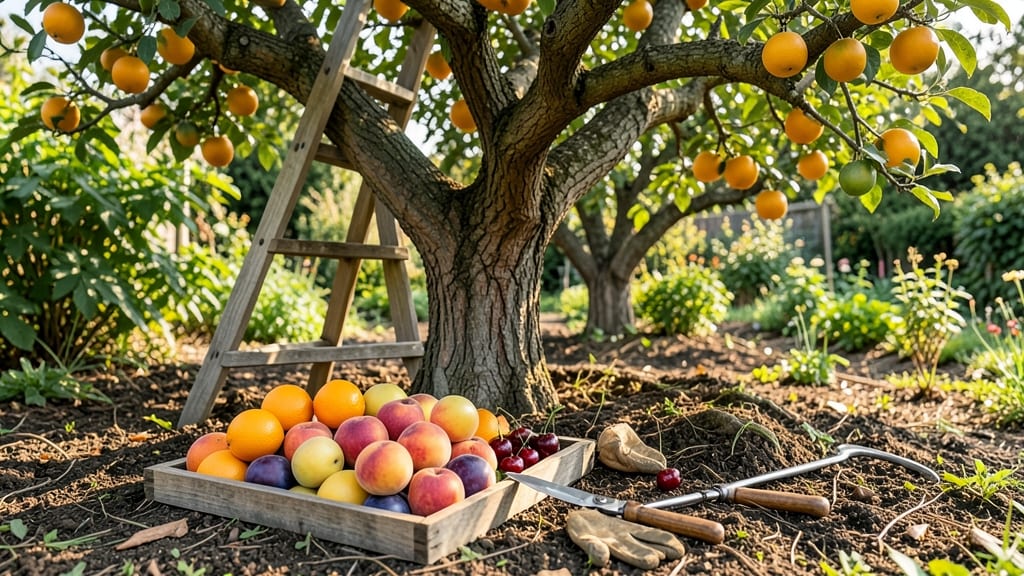
A fruit salad tree in California isn’t just a trend—it’s a game-changer for small spaces and year-round harvests. 🌿 These compact, multi-grafted trees pack citrus, berries, and stone fruits onto one trunk, turning your backyard into a mini orchard without the footprint.
I planted mine last spring, and now I’m harvesting lemons, figs, and apricots from the same tree—something I never thought possible in my tiny urban yard.
The real magic happens in California’s mild climate. Unlike traditional fruit trees that need years to bear, these start producing within 1-2 years, and their dwarf roots mean they thrive in containers or tight spots.
Varieties like the ‘Topiary’ or ‘Dwarf Fruit Salad’ are perfect for the region, handling our dry summers and coastal fog with ease. Plus, their ornamental value—think glossy leaves and colorful fruit—makes them a standout focal point in any garden design.
Imagine plucking ripe fruit for smoothies or salads while enjoying the tree’s lush canopy for shade. With proper pruning (just 2-3 times a year), you’ll keep it compact and productive.
Companion plants like lavender or herbs add to the beauty and even improve fruit flavor. It’s not just a tree—it’s a multi-season centerpiece that works hard for you.
Whether you’re a space-challenged gardener or a design enthusiast, this tree adapts to patios, balconies, or garden beds. The key? Choose a sunny spot, water deeply but infrequently, and enjoy the harvests that keep coming—no orchard required. Let’s make your California garden taste as good as it looks!
Root Causes of Tree Struggles
Growing a fruit salad tree in California’s diverse climate—where Mediterranean dryness meets coastal humidity—can be a dream come true, but it also comes with challenges. Understanding why these trees sometimes fail to thrive, produce poorly, or even decline is key to keeping them lush and fruitful.
Below, we break down the root causes (literally and figuratively) behind common issues, with science-backed explanations and actionable fixes.
California’s native soils are often fast-draining, nutrient-poor, or compacted, which can stifle root growth and nutrient uptake. Fruit salad trees (like citrus, figs, olives, and pomegranates grafted together) are grafted hybrids, meaning they rely on a strong root system to support multiple fruit types.
If the soil doesn’t meet their needs, the tree struggles to:
- Absorb water efficiently: Sandy soils dry out too quickly, while clay soils suffocate roots.
- Access essential nutrients: Nitrogen, phosphorus, and potassium deficiencies show up as yellow leaves, stunted growth, or sparse fruit.
- Develop a stable anchor: Weak roots = poor stability, especially in windy coastal areas.
🔍 What to watch for:
- Leaves turning yellow or brown at the edges (chlorosis).
- Slow growth despite regular watering.
- Fruit dropping prematurely.
💡 Fix it: Amend soil with organic matter (compost, worm castings, or aged manure) and consider a mycorrhizal fungi treatment to boost root health. For container-grown trees, use a well-draining potting mix with perlite or coconut coir.
California’s hot inland valleys and cool coastal fog belts create dramatic temperature shifts that can stress fruit salad trees. These trees are often grafted from varieties with different temperature tolerances (e.g., heat-loving citrus + fog-dependent figs). Problems arise when:
- Heat stress: Temperatures above 95°F (35°C) can cause sunscald (brown patches on fruit) or leaf scorch.
- Cold damage: Even a single night below 28°F (-2°C) can kill tender grafts like lemon or loquat.
- Frost pockets: Inland areas (e.g., Central Valley) may experience radiation frost, where cold air settles and damages new growth.
🔍 What to watch for:
- Wilting leaves during heatwaves (even with water).
- Blackened or mushy fruit after cold snaps.
- Bud dieback in spring.
💡 Fix it:
- For heat: Provide afternoon shade (use shade cloth or plant near deciduous trees). Mulch heavily to cool roots.
- For cold: Choose cold-hardy grafts (e.g., Satsuma mandarin over Meyer lemon). Use frost cloth or a tree wrap in winter.
- For frost pockets: Plant on a south-facing slope or use drip irrigation to add moisture (which releases heat as it freezes).
California’s drought-prone summers and flash floods in winter create a Goldilocks problem: too little or too much water both harm fruit salad trees. These trees have shallow, widespread root systems that need consistent moisture but hate soggy soil. Common issues:
- Underwatering: Causes water stress, leading to small, bitter fruit and leaf drop.
- Overwatering: Leads to root rot (especially in clay soils) and fungal diseases like Phytophthora.
- Inconsistent watering: Causes split bark or fruit cracking as cells expand unevenly.
🔍 What to watch for:
- Leaves curling upward (underwatering).
- Yellowing leaves with mushy stems (overwatering).
- Fruit splitting or falling off the tree.
💡 Fix it:
- Use drip irrigation or soaker hoses for deep, slow watering (1–2 inches per week in summer, less in winter).
- Mulch with 3–4 inches of wood chips to retain moisture and regulate soil temp.
- Avoid surface watering, which evaporates quickly and encourages weeds.
California’s mild winters allow pests and diseases to thrive year-round. Fruit salad trees are polyculture powerhouses, meaning they attract a buffet of bugs (e.g., aphids love new fig growth, while citrus leaf miners target oranges). Common culprits:
- Scale insects: Sap-sucking pests that weaken trees and attract sooty mold (a black fungus).
- Root-knot nematodes: Microscopic worms that devour roots, causing stunted growth.
- Fungal diseases: Anthracnose (spotted leaves) or powdery mildew thrive in humid coastal areas.
🔍 What to watch for:
- Sticky residue on leaves (aphids or scale).
- Galls or knots on roots (nematodes).
- White powdery coating (mildew) or brown spots (anthracnose).
💡 Fix it:
- Prevent pests: Spray neem oil or kaolin clay every 2–3 weeks as a barrier.
- Encourage beneficial insects: Plant marigolds or lavender nearby to attract ladybugs and lacewings.
- Treat soil: Apply beneficial nematodes (Steinernema species) to combat root-knot nematodes.
- Prune for airflow: Remove crowded branches to reduce humidity and fungal spread.
By addressing these root causes, your fruit salad tree will stand a much better chance of thriving in California’s challenging (but rewarding!) growing conditions. Next, we’ll dive into symptoms to watch for so you can catch problems early.
Fixing Common Fruit Salad Tree Issues
Reviving your fruit salad tree in California—whether it’s struggling with pests, poor fruit set, or uneven growth—starts with targeted fixes. Below, we break down the most common problems and provide step-by-step solutions, along with prevention tips to keep your compact canopy thriving year-round.
Signs: Sticky residue (honeydew), curled leaves, or tiny webs on branches.
How to Fix It: 🔥 🚰 Rinse Off Soft-Bodied Pests (Aphids/Scale)
- Fill a garden sprayer with soapy water (1 tsp mild dish soap + 1 quart water).
- Spray directly on infested areas (especially undersides of leaves) in the early morning to avoid burning foliage.
- Repeat every 3–5 days until pests disappear.
🍳 🌿 Neem Oil Treatment (For Stubborn Infestations)
- Mix 1 tbsp neem oil + 1 tsp horticultural oil + 1 tsp mild soap per quart of water.
- Apply evenly, focusing on buds, stems, and leaf undersides.
- Best time: Evening (avoids sunburn on leaves).
- Reapply every 7–10 days for 2–3 weeks.
👨🍳 🐞 Introduce Beneficial Insects
- Release ladybugs or lacewings (available at garden centers) to naturally control aphids.
- Pro tip: 💡 Plant marigolds or dill nearby to attract these predators.
Prevention Tips: ✅ Prune regularly to improve airflow (pests love dense, humid areas). ✅ Inspect new plants before bringing them home (quarantine for 2 weeks if possible). ✅ Use reflective mulch (like aluminum foil) around the base to deter crawling pests.
Signs: Flowers drop off, tiny fruits form but fall early, or branches are bare.
How to Fix It: 🔪 🌸 Hand-Pollinate Flowers (If Bees Are Scarce)
- Use a soft paintbrush to transfer pollen from male to female flowers (check your tree’s sex—some are self-pollinating).
- Best time: Morning, when flowers are fully open.
🌡️ 🌡️ Adjust Temperature & Humidity
- Cold snaps? Move potted trees to a sheltered spot (garage or patio).
- Too dry? Mist leaves lightly in the evening (avoid wetting flowers).
- Too hot? Provide light shade (50% shade cloth) during peak summer afternoons.
📊 🍽️ Fertilize for Fruit Production
- Switch to a high-phosphorus fertilizer (look for 5-10-10 or 3-4-6 ratio).
- Apply in early spring and after harvest (follow package rates).
- Avoid nitrogen-heavy fertilizers—they promote leafy growth over fruit.
Prevention Tips: ✅ Plant near pollinator-friendly flowers (lavender, basil, or citrus blossoms). ✅ Water deeply but infrequently (drought stress reduces fruit set). ✅ Thin fruits early (remove small or damaged ones) to encourage larger, healthier harvests.
Signs: Leggy branches, uneven fruit distribution, or a "top-heavy" look.
How to Fix It: ⏰ 🌿 Prune for Structure (Best in Late Winter/Early Spring)
- Remove 1/3 of the oldest wood to rejuvenate growth.
- Cut back "water sprouts" (vertical shoots growing straight up).
- Shape the canopy by trimming outward-growing branches to open the center.
🍳 🌱 Encourage Bushier Growth
- Pinch back new growth (squeeze the tip of soft stems with fingers) to promote side branches.
- Use dwarfing rootstock if replanting (ask at nurseries for compact varieties).
🎯 🍓 Balance Fruit Load
- Thin fruits when they’re pea-sized—leave 4–6 inches between fruits on branches.
- Prioritize healthy, well-placed fruits over clusters.
Prevention Tips: ✅ Prune annually to maintain shape (avoid drastic cuts). ✅ Train young trees with a small stake or trellis for better structure. ✅ Avoid heavy pruning in summer (can stress the tree and reduce flowering).
California’s mild winters and hot summers can stress fruit salad trees.
Here’s how to keep them happy all year: - Winter (Dec–Feb): Light pruning + mulch heavily (3–4 inches) to retain moisture. - Spring (Mar–May): Fertilize + watch for pests (aphids love new growth). - Summer (Jun–Aug): Water deeply 2–3x/week (drip irrigation best) + shade from intense sun. - Fall (Sep–Nov): Harvest + prune lightly to prep for next year’s fruit.
Final Pro Tip: 🌡️ Monitor soil pH (ideal: 6.0–7.0). Use a soil test kit and amend with lime (to raise pH) or sulfur (to lower pH) if needed.
With these fixes, your fruit salad tree will bounce back—and you’ll enjoy bountiful, year-round harvests in no time! 🍓🍇🍊
Frequently asked questions
Can a fruit salad tree grow in containers?
These compact trees thrive in containers, making them perfect for patios, balconies, or small yards. Use a 15–20 gallon pot with drainage holes and a well-draining potting mix (add perlite or coconut coir). Move containers to sunny spots and water deeply when the top 1–2 inches of soil dry out.
What fruits can I expect from a California fruit salad tree?
Popular California varieties combine citrus (lemons, oranges), stone fruits (apricots, peaches), and sometimes figs or olives on one tree. The exact mix depends on the graft, but you’ll often find combinations like Meyer lemon + fig + apricot. Harvest times vary—citrus ripens winter-spring, while stone fruits peak in late spring.
How cold can a fruit salad tree handle in California?
Most fruit salad trees tolerate temperatures down to 20–25°F (-6 to -4°C), but tender grafts like lemons may need protection below 28°F (-2°C). In frost-prone areas (Central Valley), use frost cloth or move potted trees to sheltered spots. Coastal varieties often handle fog better than inland types.
Do I need to prune a fruit salad tree?
Yes! Prune 2–3 times a year to maintain shape and encourage fruit production. In late winter, remove dead wood and thin crowded branches. Summer pruning should be minimal—just trim water sprouts. Avoid heavy pruning in fall, as it can reduce next year’s bloom.
Can I grow a fruit salad tree from seed?
No—fruit salad trees are grafted hybrids, so seeds won’t produce the same multi-fruit tree. Always buy a grafted tree from a reputable nursery. If you want to propagate, you can take cuttings from the rootstock (not the grafted varieties), but this won’t yield the same fruit combination.