
Pruning
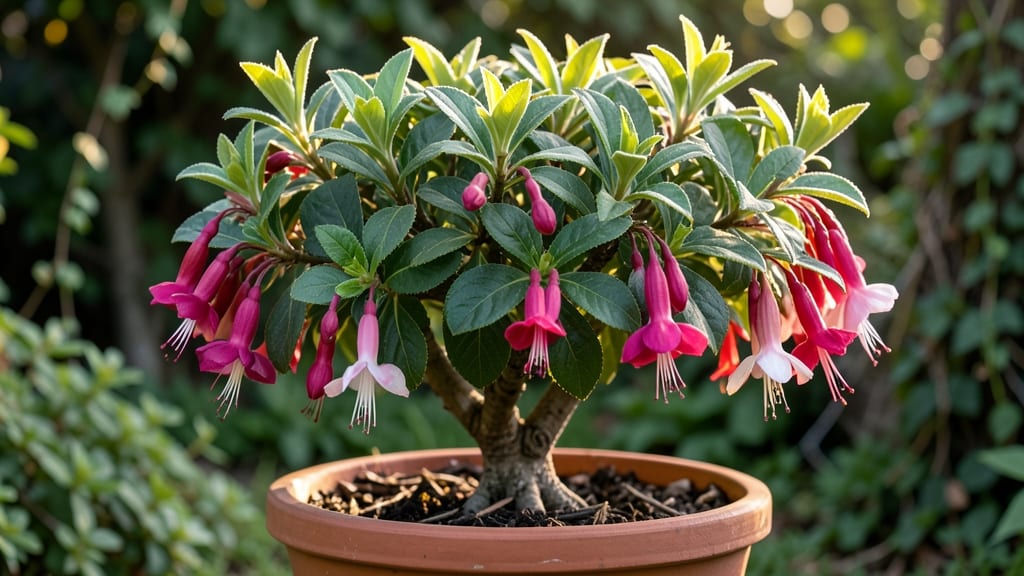
The care of a fuchsia tree rewards patience with cascades of blooms that look like they’re painted by hand. 🌸 The secret to keeping yours thriving isn’t complicated—it’s about timing your pruning, understanding their light needs, and avoiding the one mistake that kills blooms faster than anything else.
These tropical beauties love bright, indirect light—think morning sun and afternoon shade—especially in hot climates. Overwatering is their kryptonite, so let the top inch of soil dry out between drinks, and use well-draining soil to prevent root rot.
The pruning I’ll show you keeps them compact, bushy, and packed with flowers year-round.
By late winter, you’ll see fresh growth pushing through, and with each strategic cut, your fuchsia will produce more blooms than you’ve ever seen—some varieties even flower nonstop with the right care. The key is working with their natural rhythm, not against it.
Whether you’re dealing with leggy growth, sparse blooms, or winter dormancy, these techniques adapt to any season. Let’s get your fuchsia looking like a showstopper all year.
📚 In This Guide
- What you need
- Instructions
- Tips and common mistakes
- Wrapping up and next steps
What you need
- ● Pruning shears: Bypass pruners (sharp, clean, and sterilized with rubbing alcohol) for small stems.
- ● Loppers: 1 pair (8–12 inches) for thicker branches (up to 1.5 inches in diameter).
- ● Hand pruners: Anvil-style (for stubborn growth) or bypass (for precision cuts).
- ● Garden gloves: Heavy-duty, cut-resistant (to protect from thorns and sharp tools).
- ● Disinfectant: 70% isopropyl alcohol or a blank">horticultural spray (to prevent disease spread).
- ○ Pruning sealant: Optional (for large cuts > 0.5 inches; use a tree wound dressing or beeswax-based sealant).
- ● Bucket or bag: 1 gallon-sized (for collecting pruned branches and debris).
- ● Sharpie or marker: Permanent (to label cuts if training the tree).
- ● Extension pole: 3–6 feet (for high branches; attach pruners or loppers).
- ● Saw: Pruning saw (for thick, woody stems > 2 inches).
- ● Hose or spray bottle: For rinsing tools between cuts (keeps them clean and bacteria-free).
- ● Fertilizer: Balanced, slow-release (10-10-10 or organic options like compost tea).
- ● Mulch: Organic (2–3 inches of shredded bark or wood chips) to retain moisture.
How to prune a fuchsia tree for year-round blooms
Here's the simple pruning system I use to keep my fuchsia trees flowering like crazy all season.
✂️ Step 1: Prune for Shape in Late Winter
Wait until after your last frost date—typically February or March—when new growth hasn't started yet. I grab my clean, sharp pruners and look for the tree's natural shape. Fuchsias grow in a vase-like form, so I remove any branches growing inward or crossing each other to open up the center.
Cut branches back to an outward-facing bud or leaf joint. This ensures new growth will fill out the tree's structure. I never cut more than one-third of the plant's total growth in a single pruning session—this keeps the tree healthy and prevents shock. Watch for any dead or diseased branches and remove those completely at the base.
✂️ Step 2: Pinch New Growth in Spring
Once the tree starts actively growing in early spring, I switch to pinching back the tips of new growth. Look for the first set of true leaves (not the tiny seed leaves) and pinch just above them. This encourages the plant to branch out instead of growing long, leggy stems.
I pinch every 4-6 inches of new growth until the plant reaches its desired height. This is where you'll see the most dramatic change in your fuchsia's shape. The more you pinch, the fuller and bushier the tree will become. Just be patient—it takes about 4-6 weeks to see noticeable new growth after pinching.
✂️ Step 3: Deadhead and Light Prune During Blooming Season
As your fuchsia starts flowering, I remove spent blooms by cutting the stem just above a set of leaves. This is called deadheading, and it encourages the plant to produce more flowers. I do this every 1-2 weeks during the blooming season to keep the tree looking tidy and productive.
While deadheading, I also keep an eye out for any branches that are growing too long or looking leggy. I trim these back by about one-third to maintain a compact shape. Never cut into old wood—always prune back to a leaf joint or bud. You'll notice new growth and flowers appearing more quickly after these light prunings.
✂️ Step 4: Light Pruning for Fall Preparation
In late summer or early fall, I do a final light pruning to prepare the tree for its winter rest. Remove any branches that are crossing or growing inward, and trim back any leggy growth by about one-third. This helps the tree focus its energy on developing strong, healthy branches for next year's blooms.
I also remove any dead or diseased branches at this time. This keeps the tree healthy and prevents any issues from carrying over into the next growing season. After pruning, I give the tree a light feeding with a balanced fertilizer to help it recover and prepare for winter. This is the perfect time to shape the tree for next year's growth.
Tips & tricks for perfect fuchsia tree pruning
Fuchsias reward precision pruning with nonstop blooms—here’s how to avoid common mistakes and get that showstopping shape.
Tool Prep is Everything: Sterilize your pruners with rubbing alcohol before each use—this prevents spreading disease between cuts. I also sharpen my blades every season; dull tools crush stems instead of making clean cuts. For larger branches, use bypass pruners to avoid tearing the bark, which can invite pests.
Seasonal Timing Matters: The February/March window for Step 1 pruning is critical—waiting until buds swell risks removing next year’s blooms. If you miss it, don’t panic: prune in late summer instead, but expect fewer flowers that season. For Step 2, pinch when you see true leaves (not the tiny seed leaves)—this is your cue to start shaping.
Visual Cues for Pinching: In Step 2, pinch every 4-6 inches of new growth, but stop when you see a cluster of 3-5 leaves forming. This tells you the branch is mature enough to support blooms. I mark my plants with a colored pencil to track which stems I’ve pinched—it’s shocking how much fuller they look after just one round!
Deadheading Discipline: During Step 3, remove spent blooms within 24 hours of wilting—the longer you wait, the more energy the plant wastes on seed production instead of new flowers. I set a timer every 1-2 weeks as a reminder, especially for busy gardeners. Always cut just above a leaf joint to encourage branching from that spot.
Pro Tips for Fuchsia Tree Care
- Fuchsias reward precision pruning with nonstop blooms—here’s how to avoid common mistakes and get that showstopping shape.
- Tool Prep is Everything: Sterilize your pruners with rubbing alcohol before each use—this prevents spreading disease between cuts.
- Seasonal Timing Matters: The February/March window for Step 1 pruning is critical—waiting until buds swell risks removing next year’s blooms.
Frequently asked questions
Got questions about keeping your fuchsia tree thriving?
Here are answers to the most common concerns—from pruning timing to troubleshooting—so you can enjoy vibrant blooms all year round!
When is the best time to prune a fuchsia tree?
Prune your fuchsia tree twice a year: late winter/early spring (before new growth starts) and after flowering (late summer). Avoid heavy pruning in fall—it can stress the plant before winter. Light trimming to shape or remove dead branches is fine year-round!
How often should I prune my fuchsia tree?
For most fuchsias, 2-3 pruning sessions per year suffice:
- Early spring (to encourage new growth),
- Post-flowering (to maintain shape), and
- Optional light trims in summer to remove spent blooms. Over-pruning weakens the plant, so focus on 1/3 of the plant at a time if doing major cuts.
Can I prune a fuchsia tree in cold weather?
No—fuchsias are tender perennials and cannot tolerate frost. Wait until temperatures stay above 50°F (10°C) before pruning. If you live in a cold climate, prune lightly in late winter indoors (if potted) or wait until spring. Hard pruning in cold weather can kill the plant or delay spring blooms.
What should I do if my fuchsia tree looks leggy after pruning?
Leggy growth happens when the plant stretches for light. To fix it: Pinch back new growth tips in spring to encourage bushier growth. Use balanced fertilizer (high in phosphorus for blooms) and ensure it gets 4-6 hours of sunlight daily. If indoors, rotate the pot weekly for even light exposure.
Are there alternatives to pruning for keeping fuchsias compact?
Yes! Try these low-maintenance alternatives:
- Dwarf varieties: Choose compact types like ‘Giant Candy Stripe’ or ‘Lady Thumb’—they need less pruning.
- Regular deadheading: Snip off spent flowers to redirect energy to new blooms.
- Support structures: Use stakes or cages to train leggy stems into a bushier shape.
Wrapping up and next steps
Caring for your fuchsia tree doesn’t have to be intimidating—just a little love and timing! With the right tools, seasonal pruning, and a watchful eye for pests, you’ll reward yourself with stunning, year-round blooms.
Remember, consistency is key, whether you’re shaping it in spring or cleaning up after winter.
Now that you’re armed with these pruning secrets, why not share your progress with fellow plant lovers? Or, if you’re feeling inspired, try your hand at propagating cuttings to grow your fuchsia family! 🌸✂️