
Pruning
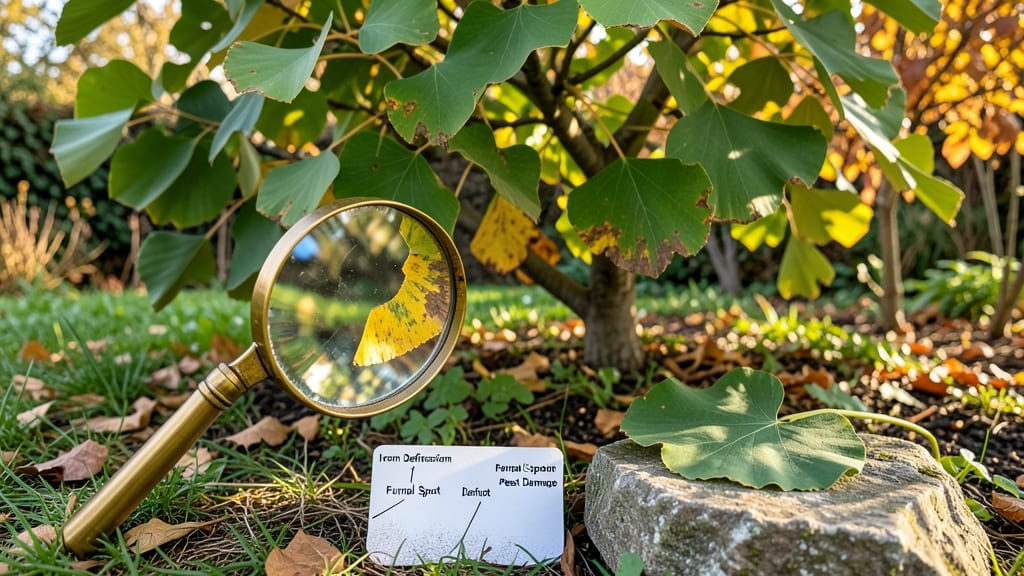
Ginkgo tree leaf problems turn into living art when their leaves yellow, brown, or curl—unless you know what’s wrong. 🌿 I’ve spent years diagnosing these symptoms, and the fixes are simpler than you’d think, whether it’s a nutrient imbalance, fungal infection, or those pesky psyllids.
The first step is identifying the problem: yellowing edges often mean drought stress or iron deficiency, while brown spots could signal fungal issues like anthracnose. Curling leaves? That’s usually a sign of ginkgo psyllids or environmental stress. Grab a magnifying glass and inspect the undersides of leaves for clues.
Once you pinpoint the issue, solutions range from adjusting watering habits to applying neem oil for pests or fungicide for infections. Most problems clear up within 2-4 weeks of targeted care, and prevention is as easy as regular pruning and proper mulching.
For stubborn cases, a professional arborist can help—but don’t wait until the tree looks like a sad, skeletal silhouette. Early action keeps your ginkgo thriving for decades.
Root Causes Behind Leaf Issues
Understanding why your ginkgo tree’s leaves develop yellowing, browning, or curling requires peeling back the layers of its care—like a botanical detective uncovering clues. These problems rarely stem from a single factor but often arise from a mix of environmental stress, nutrient deficiencies, or pest pressure.
Below, we break down the primary culprits behind ginkgo leaf problems, backed by science and actionable insights.
Ginkgo trees (Ginkgo biloba) are hardy but not invincible. Extreme or sudden shifts in temperature, drought, or relentless wind can trigger leaf distress. Here’s how it happens:
- Heat Stress (Sunscald or Drought): - Why it happens: Ginkgo leaves are sensitive to high temperatures combined with low humidity. When soil moisture drops below 30-40%, roots struggle to supply water, causing chlorosis (yellowing) as chlorophyll breaks down.
Prolonged drought can lead to necrosis (brown, crispy edges). - Science behind it: The tree’s stomata (pores) close to conserve water, but this halts photosynthesis.
Without energy, leaves lose their green pigment and may curl inward to reduce surface area. - Actionable clue: Check the soil 2-3 inches deep—if it’s dry, your tree is thirsty. Mulch helps retain moisture and regulate temperature.
- Cold Damage (Winter Burn): - Why it happens: Ginkgo trees tolerate cold but can suffer from desiccation in winter when winds dry out leaves faster than roots can replace moisture.
This causes brown, papery edges (not to be confused with fungal issues). - Science behind it: Ice crystals form in leaf cells, rupturing membranes.
The tree “prunes” damaged leaves in spring, leaving behind ragged, dead foliage. - Actionable clue: Plant ginkgos where they’re sheltered from prevailing winds and water deeply before winter. Avoid late-season fertilizing, which encourages tender new growth.
- Wind Scorch: - Why it happens: Constant wind increases transpiration (water loss) while reducing the tree’s ability to photosynthesize. Leaves may curl or develop brown patches on windward sides. - Science behind it: Wind creates a boundary layer of dry air around leaves, accelerating moisture loss.
Ginkgos in exposed areas (e.g., open lawns) are most at risk. - Actionable clue: If your tree is in a wind tunnel, consider a windbreak (e.g., a fence or hedge) or prune to improve airflow.
Ginkgo trees are adaptable but signal distress when soil nutrients are imbalanced. Leaf symptoms often act as a diagnostic map for deficiencies:
| Symptom | Likely Deficiency | Why It Happens | How to Fix It |
|---|---|---|---|
| Yellowing between veins (chlorosis) | Iron (Fe) or Magnesium (Mg) | Poor soil drainage or high pH (>7.0) locks out iron. Magnesium is mobile but often depleted in sandy soils. | Apply chelated iron (for Fe) or Epsom salt (for Mg). Test soil pH; aim for 6.5–7.5. |
| Purple or red tinges | Phosphorus (P) or Potassium (K) | Cool, wet soils slow phosphorus uptake. Potassium aids stress resistance. | Use a balanced fertilizer (e.g., 10-10-10) in early spring. Avoid overdoing nitrogen. |
| Small, stunted leaves | Nitrogen (N) or Zinc (Zn) | Nitrogen fuels growth; zinc is a cofactor for enzymes. Compacted or clay soils limit zinc. | Top-dress with compost (for N) or apply zinc sulfate (follow label rates). |
- Pro Tip: 💡 Soil tests are your best friend! Send a sample to a lab (costs ~$20–$50) to identify exact deficiencies. Generic fertilizers can do more harm than good if the tree lacks something specific.
Ginkgo trees are relatively pest-resistant, but a few culprits can turn leaves into a buffet:
- Ginkgo Psyllid (Ginkgoides ginkgoensis): - Why it happens: These tiny, jumping insects pierce leaves to feed on sap, causing yellow stippling, curled leaves, and honeydew (sticky residue).
Severe infestations lead to premature leaf drop. - Science behind it: Psyllids inject saliva that disrupts leaf cell function, triggering a defense response (curling) while excreting honeydew that attracts sooty mold. - Actionable clue: Inspect new growth in spring. Use neem oil or insecticidal soap for light infestations.
For heavy cases, consult a arborist about systemic pesticides (e.g., dinotefuran).
- Fungal Infections (e.g., Phytophthora or Anthracnose): - Why it happens: Overwatered or poorly drained soil invites root-rotting fungi, while wet foliage encourages leaf-spot diseases like anthracnose. Symptoms include brown spots with yellow halos and premature defoliation. - Science behind it: Fungi thrive in humid, stagnant conditions.
Anthracnose spores spread via wind or splashing water, infecting through stomata (leaf pores). - Actionable clue: Improve drainage (raise beds or add sand) and avoid overhead watering. Prune infected leaves and apply copper fungicide preventatively in spring.
- Spider Mites: - Why it happens: These microscopic pests thrive in dry, hot conditions, sucking sap and causing silver stippling (tiny white dots) on leaves. Severe cases lead to bronzing or leaf drop. - Science behind it: Mites weaken leaves by disrupting chloroplast function, reducing photosynthesis.
They reproduce rapidly in drought stress. - Actionable clue: Blast leaves with water to dislodge mites. Use horticultural oil or kaolin clay as a barrier. Increase humidity with mulch or misting.
Even well-meaning gardeners can trigger leaf problems with poor pruning, over-fertilizing, or transplant shock:
- Over-Pruning or Improper Cuts: - Why it happens: Ginkgos hate aggressive pruning, especially in late summer or fall.
Cutting too much (or at the wrong angle) exposes raw wood to sunscald or fungal entry points, causing dieback and stunted new leaves. - Science behind it: Ginkgos store energy in roots and lower branches.
Heavy pruning disrupts this carbon balance, leading to reduced vigor and leaf stress. - Actionable clue: Prune only in late winter/early spring (dormant season). Remove no more than 20% of foliage at once. Use clean, sharp tools to avoid tearing bark.
- Fertilizer Burn: - Why it happens: Too much synthetic nitrogen (e.g., lawn fertilizer) causes leaf scorch (brown edges) and excessive growth that’s weak and prone to pests. - Science behind it: High salt concentrations from fertilizers disrupt osmosis in root cells, preventing water uptake.
Leaves wilt or crisp at the edges. - Actionable clue: Use slow-release, organic fertilizers (e.g., compost or worm castings). Follow the 1-2-3 rule: 1 part nitrogen, 2 parts phosphorus, 3 parts potassium.
- Transplant Shock: - Why it happens: Ginkgos have deep, extensive root systems.
Digging and relocating them severely disrupts water and nutrient uptake, leading to wilting, yellowing, or leaf drop for 1–2 years post-transplant. - Science behind it: Roots take time to reestablish mycorrhizal fungi (beneficial soil partners) and hydraulic conductivity.
Stress hormones like ethylene accumulate, triggering leaf abscission. - Actionable clue: Water deeply 2–3 times weekly for the first year. Apply mulch (3–4
Quick Fixes for Ginkgo Tree Leaf Issues
When your ginkgo tree’s leaves start yellowing, browning, or curling, the good news is that most problems have straightforward solutions. The key is identifying the root cause (which we covered in the previous section) and taking action before the issue spreads.
Below, we’ve mapped out practical, step-by-step fixes for the most common ginkgo leaf problems, along with prevention tips to keep your tree healthy long-term.
Yellowing leaves often signal nutrient deficiencies or environmental stress. Here’s how to revive your ginkgo:
🔥 Step 1: Test the Soil (Know the Problem)
Before treating, determine if the issue is iron deficiency (most common in alkaline soils) or another nutrient lack.
- DIY test: Use a soil test kit (available at garden centers) or send a sample to your local cooperative extension service.
- Quick fix: If the soil is alkaline (pH > 7.0), amend it with sulfur or acidic compost (like pine needles or peat moss) to lower pH over time.
🍳 Step 2: Apply Iron Supplements
Ginkgo trees thrive in slightly acidic soil (pH 6.0–7.0).
If chlorosis persists: - Iron chelate (liquid or granular): Follow package instructions for application (usually every 3–6 months in spring/fall). - Epsom salt (short-term fix): Mix 1 tablespoon of Epsom salt per gallon of water and spray on leaves (repeat weekly until improvement). - Avoid over-fertilizing: Too much nitrogen can worsen the problem.
👨🍳 Step 3: Improve Drainage & Mulch
- Aerate compacted soil: Loosen the top 6–8 inches with a garden fork if drainage is poor.
- Mulch properly: Apply 2–3 inches of organic mulch (wood chips, bark) around the base (keep mulch 6 inches away from the trunk).
💡 Prevention Tips
✅ Monitor soil pH annually—keep it between 6.0 and 7.0. ✅ Water deeply but infrequently—ginkgo trees hate soggy roots. ✅ Use slow-release fertilizers in early spring to avoid nutrient spikes.
Browning edges or spots usually mean fungal issues, pests, or environmental damage. Act fast to prevent spread.
🔥 Step 1: Identify the Cause
| Symptom | Likely Cause | Fix |
|---|---|---|
| Crispy, brown edges | Leaf scorch (drought/heat) | Increase watering, provide afternoon shade. |
| Dark spots or powdery film | Fungal disease (e.g., anthracnose) | Apply copper fungicide or neem oil spray. |
| Holes or chewed leaves | Pests (Japanese beetles, mites) | Spray with insecticidal soap or horticultural oil. |
🥘 Step 2: Adjust Watering & Care
- Water deeply 1–2 times per week (1–1.5 inches per session) during dry spells.
- Avoid overhead watering—wet leaves encourage fungal growth. Use drip irrigation instead.
- Prune affected branches (sterilize tools with rubbing alcohol between cuts) to improve airflow.
🔪 Step 3: Fungal Disease Treatment
If you spot black spots, powdery mildew, or cankers: 1. Remove severely infected leaves/branches and dispose of them (do not compost).
- Apply fungicide: - Organic option: Mix 1 tbsp baking soda + 1 tsp dish soap + 1 gallon water, spray every 7–10 days. - Chemical option: Use copper fungicide (follow label rates).
- Improve sanitation: Clean up fallen leaves and debris around the tree.
🌡️ Prevention Tips
✅ Water at the base (not leaves) to reduce fungal risks. ✅ Space trees properly (20–30 feet apart) for better airflow. ✅ Apply preventative fungicide in early spring if your area has a history of fungal issues.
Curling leaves often mean pests, nutrient imbalance, or physical damage. Here’s how to straighten them out:
🔥 Step 1: Check for Pests
- Japanese beetles: Handpick adults or use milky spore bacteria (long-term control).
- Spider mites: Spray with water (miters hate humidity) or neem oil.
- Scale insects: Scrape off with a stiff brush or apply horticultural oil.
🍳 Step 2: Balance Nutrients
- Too much nitrogen? Leaves may curl upward. Switch to a balanced fertilizer (e.g., 10-10-10).
- Potassium deficiency? Use wood ash (sparingly) or a potassium-rich fertilizer.
👨🍳 Step 3: Protect from Wind & Salt
- Windburn: Plant ginkgo trees sheltered from harsh winds or use windbreaks.
- Salt damage (urban areas): Flush soil with water to reduce salt buildup, or apply gypsum to improve soil structure.
💡 Prevention Tips
✅ Inspect leaves weekly during growing season for early pest signs. ✅ Avoid heavy-handed pruning—over-trimming stresses the tree. ✅ Mulch with compost to slowly release nutrients.
If your ginkgo tree shows:
- Large dieback areas (more than 25% of the canopy).
- Oozing cankers (sign of bacterial infection).
- No improvement after 4–6 weeks of treatment.
A certified arborist can diagnose deep-rooted issues (like root rot or soil toxicity) and provide targeted solutions.
Final Thought: Most ginkgo leaf problems are preventable with consistent care. Once you identify the cause, act quickly—your tree’s resilience will reward you with lush, healthy foliage for decades! 🌳✨
Frequently asked questions about ginkgo tree leaf problems
Why are my ginkgo leaves turning yellow between the veins?
This classic symptom usually signals an iron deficiency, especially if your soil is alkaline (pH >7.0). Ginkgo trees struggle to absorb iron in these conditions. Try applying chelated iron or mixing 1 tablespoon Epsom salt per gallon of water for a quick foliar spray. Test your soil pH first—aim for 6.0-7.0.
What causes brown, crispy edges on ginkgo leaves?
Those ragged edges often mean drought stress or winter burn. Ginkgo leaves lose moisture quickly in windy conditions or when soil stays too dry. Water deeply 1-2 times per week during dry spells and mulch with 2-3 inches of organic material to retain moisture. Shelter young trees from harsh winds.
How do I know if my ginkgo has ginkgo psyllids?
Look for tiny, jumping insects and yellow stippling on new leaves—psyllids feed on sap and leave behind sticky honeydew. Inspect leaf undersides with a magnifying glass. Treat with neem oil or insecticidal soap for light infestations. Severe cases may need systemic pesticides from an arborist.
Can I save my ginkgo if most leaves are brown and curling?
Don't panic! Start by checking for root rot (mushy brown roots) or severe pest damage. If roots are healthy, prune all dead branches and adjust care: water consistently, avoid fertilizing until new growth appears, and mulch heavily. Most ginkgos recover within 2-4 weeks of proper care.
Is it safe to use homemade remedies on ginkgo trees?
Yes, but with caution! Neem oil (1 tsp per quart of water) works for pests, and baking soda spray (1 tbsp + 1 tsp soap per gallon) helps with fungal issues. Always test remedies on a small branch first. Avoid vinegar or salt solutions—they can harm roots. For severe problems, professional treatments are safer.