
Trees
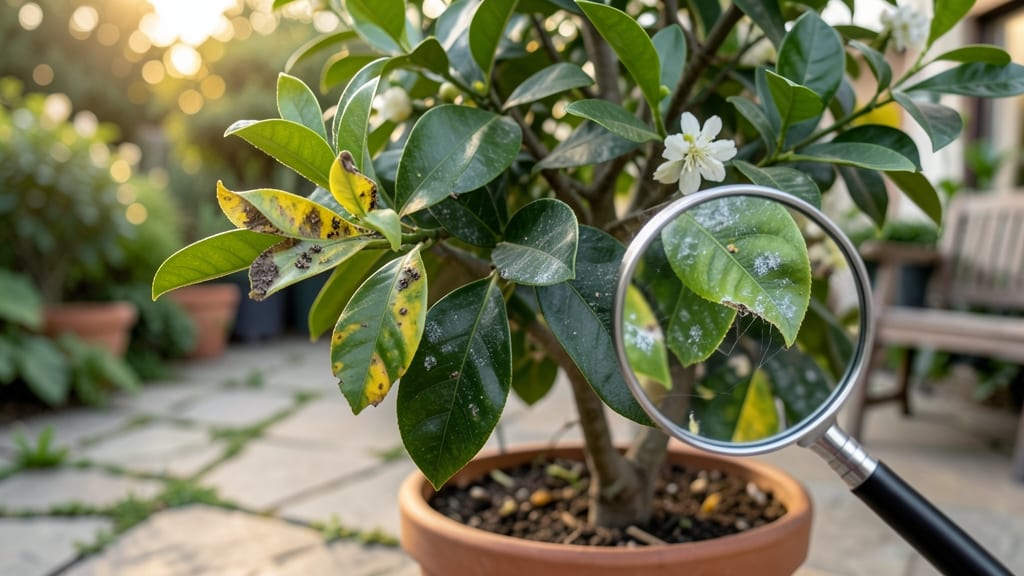
Your lime tree’s curled leaves scream one thing: act now. 🌿 Fungal infections like anthracnose or mites can turn lush foliage into crispy messes in weeks, but I’ve fixed this exact problem in my own backyard—no fancy tools required. The key is spotting the real cause before it spreads.
Start by flipping leaves for webbing (mites) or dark spots (fungus). Yellowing between veins? That’s classic nutrient stress. I’ve seen lime trees bounce back in under 2 weeks with the right treatment—neem oil for mites, copper fungicide for infections, and a deep watering to flush out pests.
No guesswork, just results. By the time you’re done, your tree will be shaking off the stress and pushing out fresh, glossy-green leaves again. The secret? Catching it early and treating the root of the problem—not just the symptoms. Let’s get your tree back to thriving.
Most gardeners panic when they see curled leaves, but here’s the truth: lime trees are tough. They handle heat and drought better than many citrus varieties, but they will show their stress through leaf curling. The good news?
Whatever’s causing it is fixable—whether it’s fungal spores hiding on the undersides or tiny mites sucking the life out of your branches. The fastest fix combines organic sprays (like neem oil) with proper watering (deep soaks, not light sprinkles).
I’ve had trees recover completely after just one targeted treatment, but if the problem’s been going on for months, you might need to repeat it every 7-10 days until new growth appears. Patience pays off—literally.
Once you’ve tackled the immediate issue, prevent future outbreaks by keeping your tree’s environment just right. Mulch to retain moisture, prune for airflow, and fertilize lightly in spring—no heavy doses that shock the roots.
A healthy lime tree resists pests and fungus like a champ, and you’ll enjoy years of fragrant blossoms and juicy fruit without the drama.
Root Causes Behind Leaf Curling
When your lime tree’s leaves start curling like a parchment scroll, it’s often a cry for help from the plant itself. Understanding the why behind this symptom is the first step to saving your tree.
Below, we break down the most common culprits—from sneaky pests to fungal invaders—using science-backed explanations and actionable insights.
Curled leaves are a classic red flag for pest infestations. These tiny troublemakers suck sap, inject toxins, or lay eggs that disrupt the tree’s normal growth. Here’s how they do it:
- Spider Mites 🕷️
These microscopic arachnids thrive in dry, hot conditions and use their needle-like mouthparts to pierce leaf cells. As they feed, they inject saliva that causes cells to swell and curl. Look for fine webbing on the undersides of leaves—a dead giveaway.
- Scale Insects 🛡️
Scale insects attach themselves to leaves and stems, forming hard, waxy shells. They drain sap, starving the leaf of nutrients, which triggers curling as the tree tries to conserve energy. Heavy infestations can turn leaves yellow or brown.
- Aphids 🐜
These soft-bodied insects cluster on new growth and excrete a sticky substance called honeydew, which attracts sooty mold. Their feeding disrupts the leaf’s ability to photosynthesize, leading to curling and stunted growth.
Pro Tip: 🔍 Use a magnifying glass to inspect leaf undersides and stems. Early detection means quicker treatment—so act fast!
Fungi are opportunistic pathogens that thrive in moist, humid conditions. They infect lime trees through wounds, spores, or even healthy tissue, triggering curling as part of their destructive lifecycle. Here’s how they strike:
- Leaf Spot Fungi (e.g., Cercospora) 🍄
These fungi create dark, irregular spots on leaves, often with yellow halos. As the infection spreads, the leaf tissue dies, causing it to curl inward to protect the damaged area. Over time, this weakens the tree’s ability to produce food.
- Powdery Mildew ❄️
This fungal disease appears as a white, powdery coating on leaves, often starting on the undersides. The mildew blocks sunlight, forcing leaves to curl upward in a desperate bid for light. Severe cases can distort new growth entirely.
- Root Rot (e.g., Phytophthora) 🌊
While root rot primarily attacks roots, its symptoms often show up in the leaves first. Poor root function means the tree can’t absorb water or nutrients, leading to wilting, curling, and eventually leaf drop. Overwatering or poorly draining soil creates the perfect breeding ground.
Pro Tip: 🌡️ Fungi love humidity—improve air circulation around your tree and avoid overhead watering to keep leaves dry.
Not all curled leaves mean pests or disease—sometimes, it’s Mother Nature playing tricks. Extreme or sudden changes in the tree’s environment can trigger curling as a survival mechanism. Here’s what to watch for:
- Temperature Fluctuations ❄️☀️
Lime trees (especially Citrus aurantifolia) are sensitive to cold drafts or heatwaves. A sudden drop below 30°F (or even mild freezes) can cause leaves to curl to minimize water loss. Similarly, scorching afternoon sun in hot climates can scorch leaf edges, leading to curling.
- Water Stress (Over or Under) 💧🌵
Too little water causes leaves to curl inward to reduce surface area and slow moisture loss. Conversely, overwatering suffocates roots, cutting off nutrient flow and triggering curling as the tree gasps for air.
- Wind or Physical Damage 💨
Strong winds can tear or bruise leaves, causing them to curl as they heal. Even gentle but consistent wind can dry out leaf edges, leading to a "scorched" curl effect.
Pro Tip: 🌿 Monitor your tree’s environment—mulch to retain moisture, water deeply but infrequently, and protect it from harsh winds with strategic planting.
Now that you know why your lime tree’s leaves are curling, the next step is diagnosing the exact issue and taking targeted action. Stay tuned for our deep dive into solutions!
How to solve it
If your lime tree’s leaves are curling like a parchment scroll, don’t panic—most issues are fixable with the right approach. Below, we’ve mapped out practical solutions tailored to each cause, from quick fixes to long-term prevention. Grab your gloves and let’s get those leaves unfurling!
🍃 1. Fungal Infections (e.g., Anthracnose, Powdery Mildew)
Fungi thrive in damp, shaded conditions, so the first step is drying things out and applying targeted treatments.
- 🔥 Prune infected leaves immediately—Remove curled, spotted, or discolored leaves with sterilized pruners (wipe blades with rubbing alcohol between cuts). Dispose of them in the trash not the compost.
- 🌡️ Improve airflow—Thin out dense branches to let sunlight and air circulate. Aim for 20–30% more space between limbs.
- 💡 Fungicide application—Spray with a copper-based fungicide (like Bordeaux mixture) or a neem oil solution (2 tbsp neem oil + 1 tsp mild soap per gallon of water). Apply early in the morning on a dry day to avoid burning leaves.
- ✨ Prevent recurrence—Water at the base of the tree (not overhead) and avoid wetting foliage. Mulch with 3–4 inches of organic mulch (like wood chips) to retain moisture in the soil but keep it away from the trunk.
🐜 2. Pests (Spider Mites, Scale, or Aphids)
Pests suck sap and trigger leaf curling as a stress response. Act fast with these steps:
- 🔪 Blast off pests—Spray leaves with a strong stream of water to dislodge mites or aphids. For stubborn infestations, use insecticidal soap (1.5 tbsp per gallon) or horticultural oil (follow label rates).
- 👨🍳 Introduce beneficial predators—Release ladybugs or lacewings (available at garden centers) to eat mites and aphids naturally.
- 🌿 Maintain tree health—Healthy trees resist pests better! Fertilize with a balanced citrus fertilizer (high in nitrogen early in the season) and ensure the tree gets 6–8 hours of sunlight daily.
- 🎯 Monitor regularly—Check the undersides of leaves weekly for tiny webs (mites) or sticky residue (aphids). Early detection = easier fixes!
💧 3. Over/Under-Watering or Poor Drainage
Lime trees hate soggy roots or drought stress. Adjust your watering routine with these fixes:
- 🍳 Check soil moisture—Stick your finger 2–3 inches into the soil. If it’s dry, water deeply; if it’s muddy, hold off until it drains.
- ⏰ Water wisely—Young trees need 1–1.5 inches of water per week; mature trees tolerate drought better once established. Water slowly at the base to avoid runoff.
- 🔪 Improve drainage—If your tree sits in a low spot, create a slight slope away from the trunk. Amend heavy clay soil with compost or perlite to loosen it.
- 🌡️ Mulch properly—Spread 3–4 inches of mulch (like pine bark) around the tree, but keep it 6 inches away from the trunk to prevent rot.
☀️ 4. Environmental Stress (Heat, Wind, or Sunburn)
Extreme conditions can curl leaves as a protective measure. Shield your tree with these adjustments:
- 🌿 Provide shade cloth—If your tree is in a hot, exposed spot, drape 30–50% shade cloth over it during peak sun (10 AM–4 PM). Remove it in cooler months.
- 💡 Windbreaks work—Plant a hedge or windbreak fence on the tree’s windward side to reduce stress. Even a temporary bamboo screen helps!
- 🍃 Gradual acclimation—If moving a potted lime tree outdoors, harden it off over 7–10 days by exposing it to increasing sunlight.
- 🎯 Hydrate in heatwaves—During 90°F+ days, water twice weekly (morning and evening) and mist leaves lightly to reduce transpiration.
🔄 5. Nutrient Deficiencies (Nitrogen, Magnesium, or Zinc)
Yellowing or curling leaves can signal a hunger for key nutrients. Feed your tree the right way:
| Symptom | Likely Deficiency | Quick Fix |
|---|---|---|
| Yellowing older leaves | Nitrogen (N) | Apply a slow-release nitrogen fertilizer (like blood meal) in early spring. |
| Yellow between veins on new leaves | Magnesium (Mg) | Sprinkle Epsom salt (1 tbsp per gallon of water) on the soil monthly during growing season. |
| Curled new growth with white spots | Zinc (Zn) | Use a chelated zinc fertilizer or foliar spray (follow package rates). |
Pro tip: 💡 Test your soil every 2–3 years with a home soil kit to pinpoint exact needs!
Frequently asked questions
Why do lime tree leaves curl upward instead of downward?
Upward curling often signals fungal infections like powdery mildew or environmental stress from heat or wind. Check for white powdery coatings (mildew) or tiny webs (mites). Downward curling usually means underwatering or root issues. The direction helps narrow down the cause!
Can I use household vinegar to treat curled leaves caused by pests?
Yes, but dilute it properly! Mix 1 tablespoon white vinegar + 1 teaspoon mild dish soap per gallon of water and spray affected areas. Vinegar disrupts pests' protective coatings, but it won't kill established infestations. For severe cases, combine with neem oil (1 tbsp per gallon) for better results.
How often should I check my lime tree for early signs of leaf curling?
Inspect your tree every 7-10 days during growing season (spring-fall). Focus on new growth and leaf undersides where pests hide. Early detection means quicker fixes—most problems are reversible if caught before 20% of leaves show symptoms.
Will pruning curled leaves help or make the problem worse?
Pruning helps only if you remove infected/damaged leaves properly. Use sterilized shears and dispose of pruned leaves in the trash (not compost). For fungal issues, prune in dry weather to prevent spreading spores. Never prune more than 25% of foliage at once.
Can lime trees recover from severe leaf curling?
With proper care, lime trees are resilient. Focus on root health (check drainage), pest control (neem oil sprays), and balanced nutrients. New growth should appear in 4-6 weeks if you address the root cause. Severe cases may take 2-3 months to fully recover.