
Propagation
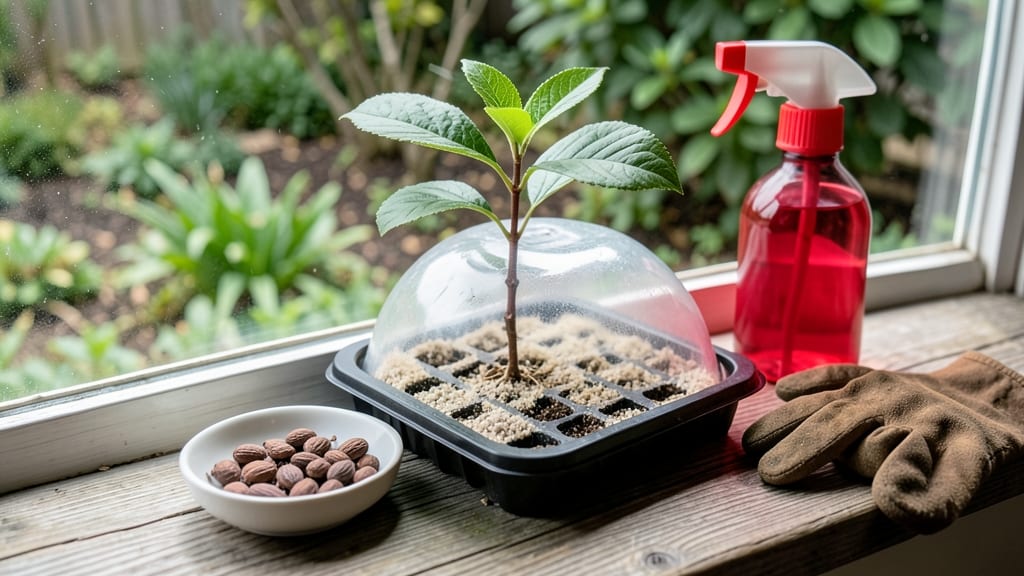
Growing a guava tree from seed means tropical fruit in your backyard—if you’re patient. 🌱 The journey takes 3-5 years, but the sweet reward of homegrown guavas makes every step worth it.
I’ve grown mine from seed twice, and while it’s slower than buying a sapling, there’s something magical about watching a tiny seed turn into a fruit-bearing tree.
The key is mimicking the guava’s natural tropical environment from day one. Start with a warm spot (70-80°F), moist but well-draining soil, and bright, indirect light.
Most people rush the germination stage, but guava seeds need 4-6 weeks of consistent moisture before they even sprout—don’t give up if nothing happens in the first two weeks.
By year one, you’ll have a small sapling that needs full sun and regular watering (but never soggy soil). The first few years focus on root and trunk development—this is where most beginners quit, but those sturdy roots are what’ll support your future harvest.
With proper care, you’ll see your first flowers by year 3, and fruit by year 4 or 5.
Container growing works well for the first two years, but transplant outdoors after the last frost when the soil stays warm. Guavas thrive in zones 9-11, but with winter protection (like moving pots indoors), you can grow them in cooler climates too.
The real secret? Patience—guavas grow slowly but live for decades, producing fruit for years.
📚 In This Guide
- What you need
- Instructions
- Tips and common mistakes
- Wrapping up and next steps
What you need
- ● Guava seeds: 3–5 fresh, plump seeds (harvested from ripe, organic guava fruit—avoid store-bought seeds if possible, as they may not germinate well).
- ● Small pots or seed trays: 2–3 biodegradable pots (3–4 inches in diameter) or a seed tray with drainage holes.
- ● Well-draining potting mix: A lightweight blend of 50% coconut coir, 30% perlite, and 20% vermiculite (or a seed-starting mix with added perlite).
- ● Spray bottle: For gentle watering (avoid over-saturating the soil).
- ● Plastic wrap or humidity dome: To maintain moisture during germination.
- ● Grow lights or sunny windowsill: A south-facing window or a 12–16 hour LED grow light (for consistent warmth).
- ○ Fertilizer (optional but helpful): A balanced, water-soluble fertilizer (5-5-5 NPK) diluted to half-strength for seedlings.
- ● Larger pot (1–2 gallons): For transplanting seedlings once they’re 4–6 inches tall.
- ● Well-draining soil: Mix of 60% topsoil, 20% compost, and 20% perlite/sand (guava trees hate soggy roots!).
- ○ Support stake (optional): A 4–5 foot bamboo stake for young trees as they grow taller.
- ● Pruning shears: For shaping and removing dead branches as the tree matures.
- ○ Mulch (optional): Wood chips or straw to retain moisture and regulate soil temperature.
Step-by-step instructions for growing a guava tree from seed
Here's my foolproof method for nurturing a guava seed into a thriving fruit tree.
🌱 Step 1: Extract and Prepare the Seed
Start with a fresh guava fruit—ripe but not overripe. Cut it open and locate the large, flat seeds nestled in the center. Remove them carefully, saving the largest, plumpest ones for planting. Rinse the seeds thoroughly under running water to remove any remaining fruit pulp, which can rot.
Place the cleaned seeds between two paper towels, dampening them lightly with water. Fold the towels and put them in a sealed plastic bag. Store this setup in a warm, dark place like your pantry or near the oven (turned off). Check daily—seeds are ready when they split open and show a tiny white root emerging, usually within 7-14 days.
🪴 Step 2: Plant the Germinated Seed
Fill a small pot—4-6 inches deep—with a well-draining mix of 50% potting soil and 50% perlite or coarse sand. This prevents waterlogging, which guava seeds hate. Make a small hole about 1 inch deep and place the germinated seed inside, root-side down.
Cover the seed with soil, leaving just the top visible. Water gently until the soil feels moist but not soggy. Place the pot in a warm spot with bright, indirect light—like a sunny windowsill with sheer curtains. Keep the soil consistently moist by misting lightly every 2-3 days until you see the first true leaves appear, which can take 4-6 weeks.
☀️ Step 3: Transplant and Provide Care for the Seedling
Once your guava seedling has 3-4 sets of true leaves and is about 6 inches tall, it's time to transplant. Choose a slightly larger pot—8-10 inches deep—and use the same well-draining soil mix. Gently remove the seedling from its original pot, being careful not to damage the roots, and place it in the center of the new pot.
Fill in around the roots with soil, pressing lightly to secure the plant. Water thoroughly after transplanting. Move the pot to a location with full sun exposure (6+ hours daily), like a balcony or greenhouse. Guava seedlings need warmth—keep the soil temperature above 65°F—and water when the top 1-2 inches of soil feel dry.
✂️ Step 4: Prune and Train the Young Tree
When your guava tree reaches 12-18 inches tall, it's time to prune and shape it. Use clean, sharp pruning shears to trim back any leggy or weak growth. Focus on removing branches that are growing inward or crossing each other—this encourages a strong, open canopy. Prune just above a leaf node or bud to promote new growth.
If your guava tree starts to lean toward the light, gently guide the main stem upward by tying it to a small stake with soft plant ties. This helps the tree develop a sturdy trunk. Continue pruning lightly every 3-4 months to maintain shape and encourage bushiness. Avoid heavy pruning until the tree is at least 2 years old.
🌿 Step 5: Prepare for Fruit Production
By the time your guava tree is 3-5 years old, it should be ready to produce fruit with proper care. At this stage, increase fertilizer use—apply a balanced, slow-release fertilizer every 2-3 months during the growing season. Guava trees love nutrients but avoid over-fertilizing, which can lead to excessive leaf growth and fewer fruits.
Watch for signs of maturity, like clusters of small white flowers. If your tree is in a cooler climate, consider moving it indoors during winter or providing extra protection from frost. With patience and consistent care, your guava tree will reward you with sweet, aromatic fruit in just a few years!
Tips & tricks for growing a guava tree from seed
Real talk: Growing a guava tree from seed is one of those rewarding projects that feels like magic when it works. Here's what nobody tells you about making it thrive.
Seed Selection Matters: Don't just grab any seeds—pick the largest, plumpest ones from fully ripe guava fruit. I've learned the hard way that smaller seeds often fail to germinate, and even if they do, they produce weaker seedlings. After removing the seeds, I always give them a final rinse to eliminate any lingering fruit residue that could cause rot during germination.
Germination Environment: The warm, dark spot you choose for germination makes all the difference. I've had best success placing the seed setup near my oven (with it turned off) where the ambient heat stays consistently around 75-80°F. If your kitchen runs cooler, consider using a seedling heat mat set to low—this can cut germination time from 14 days to just 7-10 days. Watch for that tiny white root to appear before planting!
Soil Mix Secrets: That 50/50 potting soil to perlite/sand mix isn't just arbitrary—it's crucial for preventing root rot. I've ruined multiple seedlings by using regular garden soil that compacted and held too much moisture. For the initial planting, I always press the soil mixture gently around the seed to eliminate air pockets while keeping the top visible. This balance is what gives your seedling its best start.
Light Transition Strategy: The shift from bright indirect light to full sun needs to happen gradually. I start by moving my seedlings to a south-facing window for a few hours daily, then slowly increase their sun exposure over 2 weeks. Sudden full sun can scorch tender leaves—something that happened to my first attempt when I was impatient. Patience here pays off with stronger, healthier growth.
Pro Tips for Guava Tree From Seed
- Real talk: Growing a guava tree from seed is one of those rewarding projects that feels like magic when it works.
- Seed Selection Matters: Don't just grab any seeds—pick the largest, plumpest ones from fully ripe guava fruit.
- Germination Environment: The warm, dark spot you choose for germination makes all the difference.
Frequently asked questions
Got questions about growing a guava tree from seed? You’re not alone—this tropical fruit has a few quirks! Here are answers to the most common queries to help you succeed:
How long does it take for a guava seed to sprout?
A guava seed typically sprouts within 2–4 weeks if kept in warm, moist conditions (around 70–85°F). Patience is key—some seeds may take up to 8 weeks! Use a seedling heat mat if your home stays cool to speed up germination. Pro tip: Soak seeds overnight before planting to soften the hard outer shell.
When will my guava tree start producing fruit?
Be prepared for a long wait! Guava trees grown from seed usually take 3–5 years to bear fruit, depending on climate and care. Dwarf varieties may fruit sooner, but expect smaller yields initially. For faster results, consider grafting a fruiting branch onto your seedling later. Fun fact: Trees grown from cuttings often fruit in just 1–2 years!
Can I grow a guava tree indoors or in a pot?
Yes, but with limitations. Guava trees thrive outdoors in USDA Zones 9–11 and need full sun. For containers, choose a large pot (15+ gallons) and move it outside during warm months. Indoor growth is possible near a sunny window, but expect slow growth and minimal fruit. Pro tip: Prune aggressively to control size—guavas grow fast and can become unwieldy!
Why aren’t my guava seedlings growing? Troubleshooting tips.
Common issues include overwatering (root rot), low light (leggy stems), or nutrient deficiencies (yellow leaves). Check soil moisture—let the top inch dry between waterings. If leaves curl or drop, boost humidity with a tray of pebbles and water. Pests like aphids can also stunt growth; spray with neem oil if needed. Fix fast: Repot if roots are circling!
Can I eat fruit from a seed-grown guava tree?
Fruit from seed-grown trees is safe and delicious, though varieties may differ from grafted trees (e.g., smaller or less sweet). Guavas are packed with vitamin C, fiber, and antioxidants. Caution: Some seeds contain traces of cyanide—never eat raw seeds, but cooked fruit is perfectly fine. Bonus: Try blending guava into smoothies or jams!
Wrapping up and next steps
Growing a guava tree from seed is a rewarding journey that blends patience with tropical beauty! 🌱 With the right care—sunlight, well-draining soil, and a little love—you’ll soon enjoy fragrant blossoms and sweet, nutritious fruit. Remember, consistency is key, but the effort is worth it for that first harvest!
Ready to take the next step? Start with just one seed today—your future guava tree is waiting! Share your progress with fellow gardeners or explore advanced propagation tips to expand your green thumb skills. Happy growing! 🌴