Propagation
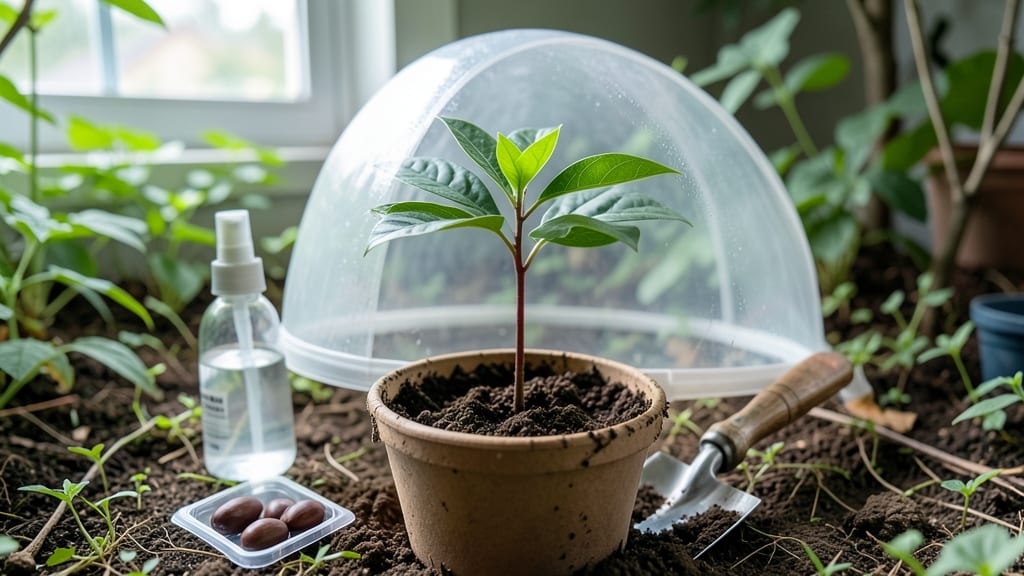
Growing guava trees from seed is the most rewarding way to start—though it demands patience for that first sweet harvest. 🌱 I’ve grown three from seed, and while they won’t fruit for 3-5 years, the journey is worth it for the lush, tropical foliage alone.
The secret lies in mimicking their native rainforest conditions right from the start. You’ll need a warm spot (70°F+), moist but well-draining soil, and a container with drainage. Guava seeds germinate best in 2-4 weeks if kept consistently damp—not soggy—and protected from direct cold drafts.
The key? No rushing—overwatering or moving seedlings too soon kills them faster than any other mistake. Once sprouted, your seedling will grow 2-4 inches in its first month, developing glossy leaves that smell like sunshine.
By year two, it’ll top 6 feet if given full sun and regular water (but never waterlogged roots). The real magic happens when it starts flowering—tiny white blooms that promise future fruit. If you crave guavas sooner, consider grafting (though it’s advanced).
For now, enjoy the slow growth—your future tree will thank you with hundreds of pounds of fruit once it matures. Patience pays off in tropical flavor.
📚 In This Guide
- What you need
- Instructions
- Tips and common mistakes
- Wrapping up and next steps
What you need
- ● Guava seeds: 3–5 fresh, plump seeds (harvested from ripe guava fruit). Pro tip: 💡 Choose seeds from organic guavas if possible to avoid chemical residues.
- ○ Small pots or seed trays: 2–3 (4–6 inches in diameter) with drainage holes. Optional: Biodegradable peat pots for easy transplanting.
- ● Well-draining potting mix: 1–2 bags (look for a blend labeled for seedlings or tropical plants). Mix in: Perlite or vermiculite (1 part per 4 parts soil) for aeration.
- ● Spray bottle: For gentle watering (avoid over-saturating seeds).
- ● Plastic wrap or humidity dome: To create a mini greenhouse effect.
- ● Grow lights or sunny windowsill: A south-facing window or LED grow light (12–16 hours/day) for seedlings.
- ● Larger container (1–2 gallons): For transplanting once seedlings are 3–4 inches tall.
- ● Pruning shears: Small, sharp pair for trimming as the tree grows.
- ○ Fertilizer: Balanced, water-soluble fertilizer (e.g., 10-10-10) for young plants. Optional: Organic compost tea for a natural boost.
- ● Warm climate or indoor setup: Guava trees thrive in USDA zones 9–11. If you’re in a cooler zone, grow in containers and bring indoors during winter.
- ● Patience: Germination can take 2–4 weeks, and fruit production may take 3–5 years!
- ● Space: Mature guava trees can reach 20–40 feet tall—plan accordingly for outdoor planting.
- ● Sunlight access: Guavas need 6+ hours of direct sunlight daily.
Step-by-step instructions for growing guava trees from seed
Here's my foolproof method for nurturing guava trees from seed—no fancy equipment, just patience and a few key tricks.
🌱 Step 1: Extract and Prepare the Seeds
Start with fresh guava fruit—ripe but not mushy. Cut open the fruit and scoop out the seeds, removing any remaining pulp. Rinse the seeds under cool water to remove all fruit residue, then let them air-dry on a paper towel for 24 hours. This prevents mold and ensures proper germination.
I like to separate the seeds into small paper envelopes labeled with the date. Guava seeds germinate best when fresh, so don't let them sit longer than a week before planting. The outer seed coat is tough, so soaking them in warm water for 12-24 hours softens it and speeds up sprouting.
🪴 Step 2: Plant Seeds in a Moist Growing Medium
Fill small pots or seed trays with a well-draining mix of 50% peat moss and 50% perlite. Moisten the mix until it's damp but not soggy—you should feel slight resistance when squeezing a handful. Guava seeds need consistent moisture but hate waterlogged conditions.
Plant each seed about ½ inch deep in its own pot or spaced 2 inches apart in a tray. Cover lightly with additional mix, then gently press down to ensure good soil contact. Place the pots in a warm, shaded area where the temperature stays between 75-85°F—a seedling heat mat helps if your home runs cooler.
💧 Step 3: Maintain Warmth and Humidity for Germination
Keep the soil consistently moist by misting lightly every 2-3 days or when the top inch feels dry. Use a spray bottle to avoid disturbing the seeds. Cover the pots with clear plastic wrap or a humidity dome to retain warmth and moisture—guava seeds thrive in a mini greenhouse environment.
Germination can take 2-4 weeks, so don’t give up if nothing appears immediately. When the first sprouts emerge, remove the plastic wrap to prevent fungal growth. Watch for first true leaves (the second set after the initial seed leaves)—this signals it’s time to transition to brighter light.
☀️ Step 4: Transition to Bright, Indirect Light
Once seedlings show 2-3 sets of true leaves, move them to a location with bright, indirect sunlight. A south-facing window works well, but direct midday sun can scorch tender leaves. If growing indoors, supplement with a grow light for 12-14 hours daily to prevent leggy growth.
Rotate the pots a quarter turn weekly so seedlings grow straight and sturdy. You’ll notice them reaching for the light—if stems stretch excessively or leaves turn pale, your light source isn’t strong enough. Guava seedlings need strong stems to support future fruit, so prioritize light over speed here.
🪴 Step 5: Transplant to Larger Pots When Ready
When seedlings reach 6-8 inches tall and develop 4-5 sets of leaves, it’s time to transplant them into 5-7 inch pots with fresh potting mix. Choose containers with drainage holes to prevent root rot. Gently remove the seedling, keeping the root ball intact, and place it in the new pot at the same depth it was growing.
Water thoroughly after transplanting, then place the pot in a shaded spot for 3-5 days to reduce stress. Gradually reintroduce sunlight over the next week. Guava trees grow fast, so plan to upgrade to 10-12 inch pots within 3-6 months if you’re keeping them indoors long-term.
⏰ Step 6: Harden Off Before Outdoor Planting
If you plan to move the guava tree outdoors, begin hardening off by placing it in a sheltered spot for 1-2 hours daily for 1 week. Gradually increase exposure to full sun and wind over 2-3 weeks, watching for signs of stress like wilting or yellowing leaves. Guava trees love heat but need time to adjust to direct sunlight.
Once hardened off, plant outdoors in a location with full sun and well-draining soil. Space multiple trees 15-20 feet apart to allow for their eventual size. Mulch around the base to retain moisture and regulate soil temperature. With patience, your guava tree will thrive and produce fruit in 3-5 years—worth every step!
Tips & tricks for growing guava trees from seed
Here's what nobody tells you—guava seed germination has its own quirks. These simple tricks will help you avoid common pitfalls and maximize your success rate.
Seed Preparation: The 24-hour drying of seeds is non-negotiable—this prevents mold and ensures the seed coat doesn't trap excess moisture. I've found that placing seeds between two layers of paper towel in a single envelope creates an even drying surface. For the 12-24 hour soak, use warm (not hot) water—around 85°F is ideal. Change the water halfway through if it cools down, as stagnant water can introduce bacteria that might interfere with germination.
Soil Mix Matters: The 50/50 peat moss and perlite ratio is perfect for guava seedlings because it mimics their natural, well-draining tropical environment. If you don't have peat moss, substitute with coconut coir—it holds moisture similarly but drains better than straight peat. The key is that the mix should feel like a damp sponge, not a soggy rag. Press down gently after planting to eliminate air pockets that could prevent root contact.
Light Transition Strategy: When moving seedlings to brighter light in Step 4, don't rush it. Start with 2-3 hours daily of indirect light and gradually increase exposure over 5-7 days to prevent sunburn. I've seen seedlings go from healthy green to crispy brown in hours when moved too quickly. A simple trick is to place a sheer curtain between the window and seedlings for the first few days—this diffuses harsh light while still providing the light intensity they need.
Transplanting Timing: The 6-8 inch height guideline is a good rule of thumb, but don't wait until the last possible moment. Seedlings this size have developed enough root mass to handle transplant shock. When repotting to 5-7 inch pots, use your finger to gently loosen the root ball before placing it in the new container—this encourages roots to spread outward rather than circling. Water thoroughly after transplanting, but avoid letting water pool in the saucer underneath.
Pro Tips for Grow Guava Tree From Seed
- Here's what nobody tells you—guava seed germination has its own quirks. These simple tricks will help you avoid commo...
- Seed Preparation: The 24-hour drying of seeds is non-negotiable—this prevents mold and ensures the seed coat doesn't ...
- Soil Mix Matters: The 50/50 peat moss and perlite ratio is perfect for guava seedlings because it mimics their natura...
Frequently asked questions
Got questions about growing a guava tree from seed? You’re not alone! Here are answers to the most common queries to help you succeed in your tropical fruit adventure.
How long does it take for a guava seed to germinate?
A guava seed typically germinates within 2 to 4 weeks if kept in warm, moist conditions (around 70–80°F). Patience is key—some seeds may take up to 6 weeks, especially if the soil is too dry or cold. Keep the pot covered with plastic wrap to maintain humidity until sprouts appear!
Can I grow a guava tree indoors?
Yes, but with limitations! Guava trees thrive outdoors in warm climates (USDA Zones 9–11), but you can start them indoors in a sunny spot near a south-facing window. Once they’re 1–2 feet tall, transplant them outdoors after the last frost. If you live in a colder zone, grow it in a large container and bring it inside during winter.
Will my guava tree produce fruit from seed?
Probably not for 3 to 5 years—and even then, it may not match the flavor or quality of grafted trees. Seeds produce wild-type trees with unpredictable traits (size, taste, disease resistance). For faster, more reliable fruit, consider buying a grafted sapling from a nursery.
Why are my guava seedlings dying or turning yellow?
Common culprits include overwatering (root rot), underwatering (dry soil), or poor drainage. Ensure pots have drainage holes and use well-draining soil. Yellow leaves can also signal nutrient deficiency—fertilize lightly with a balanced 10-10-10 mix every 2 months once seedlings are established.
Can I plant guava seeds directly in the ground?
Not recommended! Direct sowing often leads to poor germination due to soil temperature fluctuations and pest risks. Start seeds indoors in small pots with seed-starting mix for better control. Once seedlings are 3–4 inches tall and hardened off (acclimated to outdoor conditions), transplant them to the ground.
Wrapping up and next steps
Growing a guava tree from seed is a rewarding journey that connects you to nature’s sweet bounty!
With patience, the right conditions, and a little care, you’ll soon enjoy fresh, fragrant guava fruit straight from your own backyard. Now that you’ve got the steps down, why not share your progress? Snap photos of your seedling’s growth stages, track milestones, and even gift a cutting to a fellow plant enthusiast—spreading the joy (and fruit!) is half the fun. 🌱✨
Your Next Step: Nurture & Experiment!
Once your guava tree is thriving, explore pruning techniques or try growing other tropical fruits like mangoes or papayas. Every garden is a learning adventure—happy planting!