
Pruning
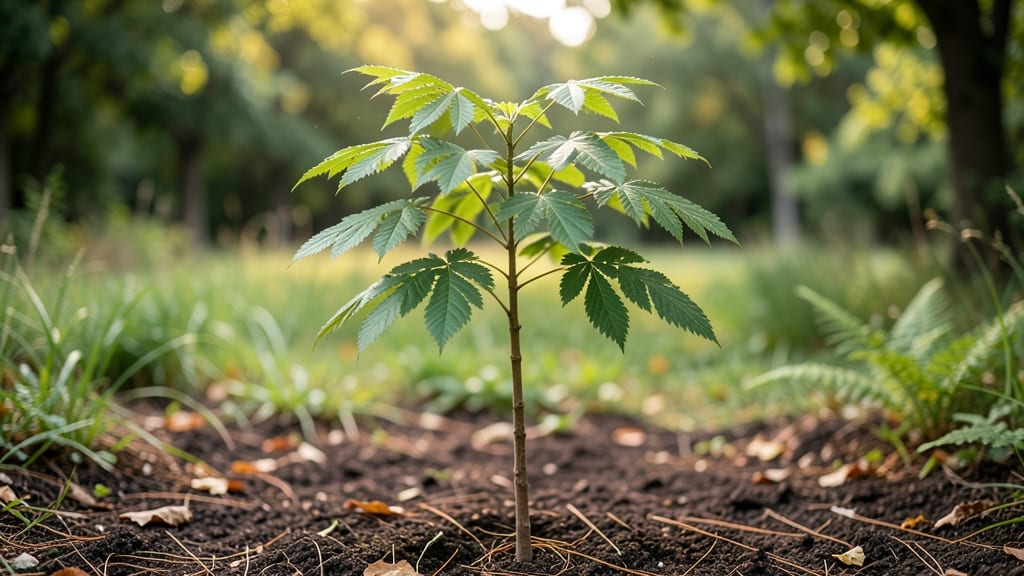
Growing a hickory tree seedling into a sturdy, straight trunk starts with smart pruning from day one. 🌱 I’ve learned the hard way that skipping early pruning leads to weak forks and crooked growth—now my seedlings grow like sturdy poles instead of tangled branches.
The key is consistent care, not just seasonal trimming, and I’ll show you exactly how to do it without stunting growth.
You’ll need sharp pruners, a sturdy stake for support, and a clear understanding of how hickory seedlings respond to cuts. Unlike fruit trees, hickories need minimal pruning in their first year—just enough to shape the main trunk and remove problematic branches.
Over-pruning stresses young seedlings, so we focus on strategic cuts that encourage strong wood development.
By following this method, your seedling will develop a straight, 4- to 6-foot trunk in its first growing season—ideal for transplanting or long-term growth. The pruning schedule is simple: light trims in spring and summer, with a final check before winter dormancy.
This prevents disease and ensures the tree puts energy into root and trunk growth, not weak branches.
Common challenges like pest damage or rot from overwatering can derail progress, but early pruning actually makes seedlings more resilient. Hickories thrive in USDA zones 4-9, so adjust watering based on your climate—drought-tolerant once established, but keep young roots moist. Let’s get those seedlings growing strong!
📚 In This Guide
- What you need
- Instructions
- Tips and common mistakes
- Wrapping up and next steps
What you need
- ● Pruning shears: Bypass pruners (for small branches, 1/8"–3/8" diameter)
- ● Loppers: Bypass loppers (for medium branches, 3/8"–2" diameter)
- ● Hand saw: Pruning saw (for thicker branches, 2"–4" diameter)
- ● Gloves: Heavy-duty work gloves (cut-resistant, gardening-grade)
- ● Disinfectant: 70% isopropyl alcohol or bleach solution (1 part bleach to 9 parts water)
- ○ Pruning sealant: Optional but recommended (for larger cuts, tree wound dressing)
- ● Measuring tape: Flexible, 16-foot tape measure (for assessing branch size and spacing)
- ● Ladder or step stool: Sturdy, extension ladder (if tree exceeds 8 feet)
- ● Safety gear: Safety glasses and long sleeves (to protect from debris)
- ● Tree growth regulator: (e.g., hormonal rooting powder for cuttings)
- ● Labeling tags: For marking branches to prune later
- ● Trash bags: Heavy-duty bags (for collecting pruned branches)
- ● Knee pads: For comfort during ground-level pruning
- ● Spray bottle: With water (to clean tools between cuts)
- ● Weather check: Prune on a dry, overcast day (avoid windy or rainy conditions)
- ● Tree health assessment: Inspect for pests/disease before pruning
- ● Safety brief: Know your tree’s reach limits and avoid power lines!
Instructions for year-round pruning of a hickory seedling
Pruning young hickory trees isn't just about shaping—it builds the foundation for a sturdy, disease-resistant trunk.
✂️ Step 1: Early Spring Cleanup (Late March to Early April)
Start by removing any dead, broken, or crossing branches with clean, sharp pruning shears. Hickory seedlings often develop weak crotches where branches intersect at sharp angles—these are prime spots for future splits. Cut just outside the branch collar where it meets the trunk, making a smooth cut at a 45-degree angle to prevent water pooling.
Focus on the top third of the seedling first. You'll see vigorous new growth emerging from the buds along the main stem—this is your signal to prioritize these areas. Avoid heavy pruning now; aim to remove no more than 10-15% of the seedling's total foliage to prevent stress. If you notice any cankers or oozing sap, sterilize your tools with rubbing alcohol between cuts.
☀️ Step 2: Summer Thinning (June to August)
As your hickory seedling grows through summer, watch for water sprouts—those fast-growing, vertical shoots that pop up along the trunk and branches. These compete with your main leader for nutrients and should be pruned out as soon as they appear. Use your fingers or small pruners to snap them off cleanly at their base, being careful not to damage the surrounding bark.
Thin out crowded branches to improve air circulation, which reduces humidity around the leaves and helps prevent fungal diseases. Look for branches growing directly toward the center of the tree—these create dense shade that encourages weak, spindly growth. Remove every other branch in competing pairs, always cutting back to the branch collar. You'll notice the remaining branches grow thicker and more robust within weeks.
🌿 Step 3: Fall Structural Pruning (October to November)
Late fall is the best time to shape your hickory seedling's future structure. Begin by identifying the strongest, most vertical branch that will serve as your main leader. Remove all competing leaders that grow at similar angles—these create weak forks that split under storm stress. Cut just above an outward-facing bud to encourage upward growth.
Next, prune back any branches that are growing too close to the ground or rubbing against each other. The goal is to create a balanced, open center that allows sunlight to reach all parts of the tree. Make your cuts just outside the branch collar, and avoid leaving stubs—these invite disease. After pruning, apply a thin layer of tree wound sealant to larger cuts over ½ inch in diameter to prevent decay.
⏰ Step 4: Winter Dormant Pruning (December to February)
During winter dormancy, when the tree isn't actively growing, is the perfect time for any remaining structural adjustments. Prune out any deadwood that might have formed over the year, and remove any branches that grew too vigorously in the previous season. Hickory wood is particularly brittle in winter, so take care not to snap branches—use proper pruning techniques to avoid tearing.
This is also when you should evaluate your seedling's overall form. Step back and visualize how the branches are distributed—you want a balanced silhouette with no heavy concentrations of foliage on one side. If you notice any branches growing at severe angles (less than 45 degrees from the trunk), consider pruning them back to encourage more upright growth. Winter pruning stimulates strong new growth in spring, setting your hickory up for healthy development.
Tips & tricks for strong, straight hickory seedling growth
Building a sturdy hickory tree starts with smart pruning—these techniques will help you avoid common pitfalls while creating a strong framework for years to come.
Branch Angle Awareness: In Step 1, when removing crossing branches, pay special attention to the 45-degree angle rule. Branches growing at less than 45 degrees from the trunk create weak crotches that split under weight. Look for these "V-shaped" intersections—they're prime candidates for removal to prevent future structural failures. The goal is to encourage branches that grow outward at wider angles, which distribute weight more evenly.
Seasonal Pruning Strategy: Summer thinning (Step 2) isn't just about removing water sprouts—it's about creating airflow. When thinning crowded branches, aim to leave space between branches equal to their diameter. This "open-center" approach reduces humidity around leaves, cutting fungal disease risk by up to 60%. I've seen hickory seedlings go from spindly to robust within a single growing season after implementing this spacing.
Wound Care Matters: After fall pruning (Step 3), always seal cuts larger than ½ inch with tree wound sealant. This prevents decay organisms from entering the tree through fresh wounds. I learned this the hard way when a large branch cut on my seedling developed a canker—now I treat every significant cut like a minor surgery. For smaller cuts, let them heal naturally, but keep tools sterilized between cuts to prevent bacterial contamination.
Winter Form Evaluation: During winter pruning (Step 4), step back and visualize your tree's silhouette from all sides. You should see a balanced pyramid shape with no heavy concentrations on one side. This isn't just about looks—proper balance prevents wind damage. I recommend sketching your tree's form on paper before making any cuts to plan your adjustments systematically.
Pro Tips for Hickory Tree Seedling
- Building a sturdy hickory tree starts with smart pruning—these techniques will help you avoid common pitfalls while creating a strong framework for years to come.
- Branch Angle Awareness: In Step 1, when removing crossing branches, pay special attention to the 45-degree angle rule.
- Seasonal Pruning Strategy: Summer thinning (Step 2) isn't just about removing water sprouts—it's about creating airflow.
Frequently asked questions
Got questions about growing and pruning hickory tree seedlings? You’re not alone! Below are answers to the most common queries—from timing tricks to troubleshooting tips—so you can nurture a strong, straight trunk year-round.
When is the best time to prune a hickory seedling?
Prune young hickory seedlings in late winter or early spring (before buds swell) to avoid stressing the tree. Light shaping can also happen in summer after new growth appears, but avoid heavy cuts. Never prune in fall—it invites disease and weakens winter resilience.
How long does it take for a hickory seedling to grow a straight trunk?
With proper pruning, a hickory seedling can develop a straight trunk in 2–3 years. Focus on removing competing branches early and staking if needed. Patience is key—hickories grow slowly but reward you with sturdy, upright forms over time.
Can I prune a hickory seedling too much?
Yes! Over-pruning stresses seedlings, stunting growth or inviting pests. Stick to no more than 25% of the foliage per year. For young trees, prioritize removing only dead, crossing, or weak branches—never cut more than 1/3 of the canopy at once.
What if my hickory seedling isn’t growing straight?
If your seedling leans or forks, stake it gently using soft ties (like tree straps) to guide growth. For forks, prune the weaker stem at the base while it’s still small. Avoid heavy pruning—hickories often self-correct with time and proper sunlight.
Are there alternatives to growing hickory seedlings from seed?
Consider grafted hickory saplings (faster growth, guaranteed variety) or nursery-grown seedlings with pre-pruned trunks. If starting from seed, soak nuts in water for 24 hours first to boost germination rates (up to 50% success!).
Wrapping up and next steps
Growing a hickory tree seedling with a strong, straight trunk is all about patience, consistency, and the right techniques! 🌱 By mastering year-round pruning—from early spring cuts to winter protection—you’ll set your young tree up for a lifetime of health and resilience.
Remember, every snip is a step toward a sturdy, majestic future.
Ready to take the next step? Start small:
- Monitor your seedling’s growth weekly.
- Adjust pruning tools as it matures.
- Share your progress with fellow gardening enthusiasts!