
Pruning
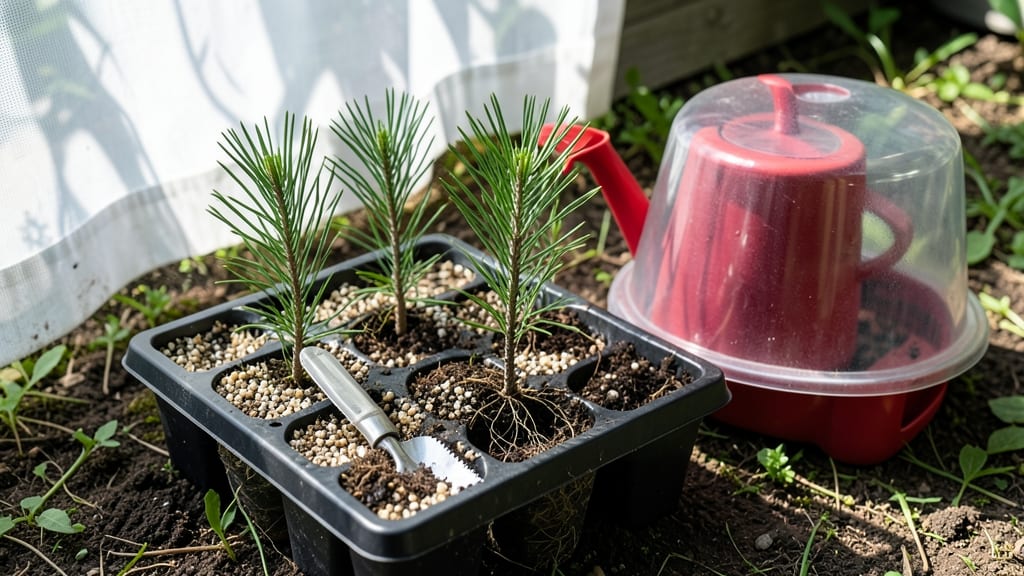
Caring for pine tree seedlings starts with understanding their delicate roots and exacting needs. 🌱 Unlike mature pines, these tiny giants need well-draining soil, consistent moisture, and protection from harsh winds—mistakes here lead to stunted growth or worse.
I’ve nursed dozens from spindly saplings to sturdy 5-foot trees by following these simple but critical steps. The secret weapon? Acidic, sandy soil mixed with peat moss, paired with morning sun and afternoon shade for the first year. Overwatering is the #1 killer—pine roots rot faster than you’d think.
A simple moisture test (stick your finger 2 inches deep) saves countless seedlings from drowning. By year two, you’ll see vibrant green needles and strong trunk growth, with minimal pest issues.
The key is patience—pine seedlings grow slowly but reward you with decades of shade and wildlife habitat if you start right. This method works for white pines, ponderosa, and Scotch pines, whether you’re planting in containers or the ground. Let’s get those seedlings thriving!
📚 In This Guide
- What you need
- Instructions
- Tips and common mistakes
- Wrapping up and next steps
What you need
- ● Pine tree seedlings: 1–5 (depending on your space; choose healthy, disease-free saplings with firm roots).
- ● Well-draining soil: 2–3 cubic feet (mix equal parts potting soil, perlite, and coarse sand for containers; amend garden soil with compost for in-ground planting).
- ○ Growing containers (optional): 1–3 gallon pots (if starting indoors or in small spaces; ensure pots have drainage holes).
- ● Pruning shears: 1 pair (sharp, sterilized shears for trimming dead or overgrown branches).
- ● Garden gloves: 1 pair (to protect hands while handling soil and seedlings).
- ○ Mulch (optional): 1–2 inches of pine bark or wood chips (to retain moisture and suppress weeds).
- ● Watering can or hose with a gentle nozzle: 1 (for precise hydration without damaging delicate roots).
- ○ Fertilizer (optional): Slow-release, acidic fertilizer (e.g., 10-10-10 or pine-specific formula; follow label for dosage).
- ○ Stakes and twine (optional): 2–3 stakes and twine (to support young seedlings in windy areas).
- ● Sunlight: Full sun (6+ hours daily) for most pine species; partial shade for delicate seedlings in hot climates.
- ● Temperature: Ideal planting range: 50–70°F (10–21°C); avoid frost until seedlings are established.
- ● Water source: Access to soft, pH-balanced water (rainwater or filtered tap water is best).
Step-by-step guide to nurturing healthy pine tree seedlings
Here's how I ensure pine seedlings grow strong and resilient from the start—no guesswork involved.
🌱 Step 1: Prepare the Ideal Growing Environment
Pine seedlings thrive in well-draining soil with a slightly acidic pH (5.0-6.5). I mix equal parts peat moss, perlite, and pine bark fines to create a loose, airy medium that mimics their natural forest floor. Avoid garden soil—it compacts too easily and suffocates delicate roots.
Choose a location with dappled sunlight (morning sun with afternoon shade) to prevent scorching. Seedlings need 60-70% humidity to establish properly, so I place a tray of water nearby or use a humidity dome until they develop stronger stems. Watch for condensation forming on the dome—this confirms ideal moisture levels.
☀️ Step 2: Position for Light and Airflow
Pine seedlings require bright, indirect light—direct midday sun will bleach their needles. Place them near an east-facing window or under 50% shade cloth if outdoors. You'll notice healthy seedlings developing deep green, glossy needles with minimal browning at the tips.
Circulation matters just as much as light. Place a small fan on low setting nearby to create gentle airflow—this strengthens stems and prevents fungal diseases like needle blight. Rotate the pots quarter-turn weekly so seedlings grow straight rather than leaning toward the light source.
💧 Step 3: Water with Precision
Water deeply but infrequently—pine seedlings hate soggy roots. I water every 5-7 days when the top 2 inches of soil feel dry, using room-temperature water to avoid shocking the roots. Water at the base rather than overhead to prevent needle rot.
Here's the thing—pine seedlings are drought-tolerant once established, but young ones need consistent moisture. You'll see wilting needles as the first sign of underwatering, while yellowing needles indicate overwatering. Adjust your schedule based on what you observe rather than sticking rigidly to days.
✂️ Step 4: Fertilize Lightly for Strong Growth
Wait 8-10 weeks before fertilizing—young seedlings need time to establish roots. Once they reach 6-8 inches tall, I use a balanced 10-10-10 fertilizer diluted to half-strength. Apply every 4-6 weeks during growing season, always watering thoroughly before and after to prevent root burn.
Pines respond best to organic amendments. Mix in 1 tablespoon of worm castings per gallon of soil annually to improve nutrient uptake. Avoid high-nitrogen fertilizers—they promote soft, weak growth that attracts pests. Healthy seedlings will show vigorous new needle growth in spring and firm, upright stems throughout the season.
🪴 Step 5: Protect from Common Threats
Watch for spider mites and aphids—they love tender new growth. I treat infestations with neem oil spray applied in the evening when bees aren't active. For fungal issues like needle cast, remove affected needles immediately and improve airflow around the plant.
Real talk: Pine seedlings are sensitive to transplant shock. If you must repot, do it in early spring when roots are actively growing. Water thoroughly after repotting and keep them in shade for a week to reduce stress. You'll know they're adapting when new growth appears within 4-6 weeks of repotting.
Tips & tricks for perfect pine tree seedlings
These tried-and-true insights will help you nurture seedlings that grow strong and resilient from the start.
Soil Composition: The equal parts peat moss, perlite, and pine bark fines create the perfect balance of moisture retention and aeration. I've learned the hard way that adding too much peat moss can make the mix too dense—always fluff it up before planting to ensure those delicate roots have room to breathe. For even better drainage, consider adding a handful of coarse sand to the mix, especially if you're working with heavier soils.
Light Positioning: That east-facing window is your best friend for seedlings. If you notice needles turning yellow or bleached, it's a clear sign they're getting too much direct sun. I keep my seedlings about 2-3 feet from the window and rotate their pots every few days to prevent them from leaning toward the light. This simple quarter-turn weekly rotation mentioned in the instructions makes all the difference in creating straight, sturdy stems.
Humidity Monitoring: The 60-70% humidity range is crucial, but don't just take my word for it—get a hygrometer to measure it accurately. I place mine near the seedlings and adjust by adding a tray of water or using a humidity dome when readings dip below 55%. Watch for condensation forming on the dome—this visual cue tells me the humidity is just right for those tender new growth areas.
Pest Prevention: Spider mites and aphids are the sneaky pests that love young pine seedlings. I've found that a preventive spray of diluted neem oil (1 teaspoon per quart of water) every two weeks keeps them at bay without harming the plants. Apply this in the evening when bees are less active, as mentioned in the instructions. For existing infestations, I treat immediately and isolate affected plants until they're pest-free again.
Pro Tips for Pine Tree Seedlings Care
- These tried-and-true insights will help you nurture seedlings that grow strong and resilient from the start.
- Soil Composition: The equal parts peat moss, perlite, and pine bark fines create the perfect balance of moisture retention and aeration.
- Light Positioning: That east-facing window is your best friend for seedlings.
Frequently asked questions
Got questions about nurturing your pine tree seedlings? You’re not alone! Here are some of the most common concerns—and straightforward answers—to help you grow thriving young pines with confidence.
How often should I water pine tree seedlings?
Water pine seedlings deeply but infrequently—about once a week (more in hot/dry climates). Overwatering can drown roots, while underwatering stresses them. Check soil moisture 2 inches down; if dry, water until it drains through. Pro tip: Use a soaker hose to avoid wetting needles, which rot easily.
When is the best time to plant pine tree seedlings?
Plant seedlings in early spring or fall when temperatures are mild (50–70°F). Avoid extreme heat or frost, which shock young roots. Container-grown seedlings can be planted year-round, but spring gives them the longest growing season to establish before winter.
Can I transplant mature pine seedlings, or is it better to start over?
Transplanting is possible, but timing and care are critical. Dig a hole twice as wide as the root ball, loosen roots gently, and water thoroughly before/after moving. For best results, transplant in cool weather and prune 1/3 of the top growth to reduce stress. Warning: Pines over 3–5 years old may struggle—smaller seedlings adapt faster.
What pests or diseases should I watch for in pine seedlings?
Keep an eye out for pine beetles, spider mites, and fungal diseases like needle blight. Early signs: Yellowing needles, sawdust-like frass (insect droppings), or white mold. Treat with neem oil or insecticidal soap for pests; improve airflow and avoid overhead watering to prevent fungus.
Do pine seedlings need fertilizer, and if so, what kind?
Young pines thrive on low-nitrogen, slow-release fertilizer (like 10-10-10 or pine-specific blends) applied once in early spring. Over-fertilizing burns roots. Alternative: Mix compost into the soil at planting for natural nutrients. Skip fertilizer if seedlings look stressed—focus on water and soil first!
Wrapping up and next steps
Caring for pine tree seedlings is all about patience, consistency, and a little green thumb love! 🌱 With the right soil, sunlight, and watering routine, your tiny saplings will grow into majestic trees. Remember, healthy roots and proper pruning set the foundation for long-term success.
Ready to watch your seedlings flourish? Start small—plant one today! Whether you’re a beginner or a seasoned gardener, every seedling you nurture is a step toward a greener future. Happy growing! 🌲✨