
Pruning
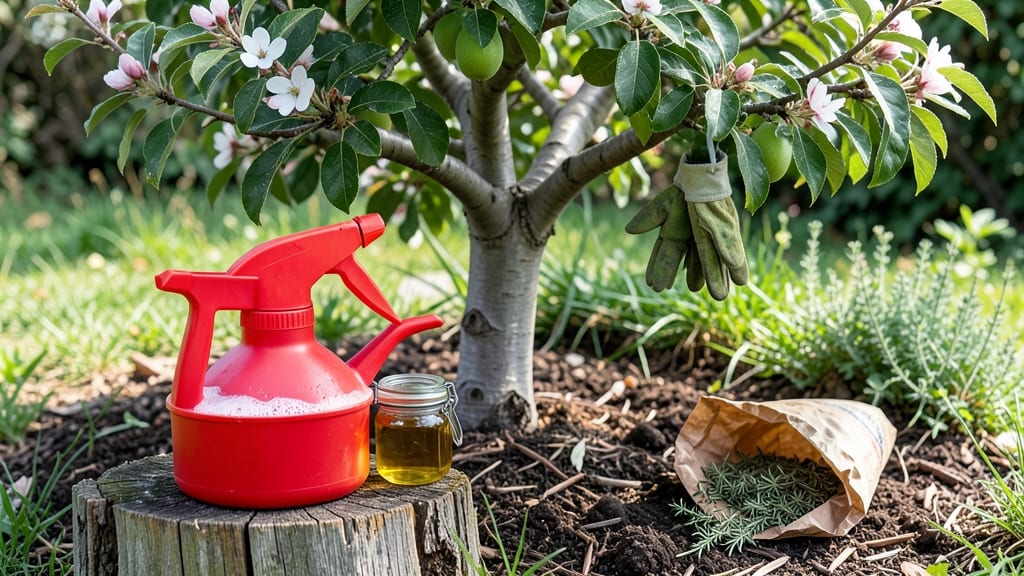
A homemade peach tree spray can save your orchard from peach leaf curl and brown rot without harsh chemicals. 🌱 Last summer, my peach trees were under siege—twisted leaves and rotting fruit—until I discovered this simple mix that cut infestations in half within weeks.
The best part? It costs pennies compared to store-bought sprays and keeps your fruit safe to eat straight from the tree.
This recipe relies on three key ingredients: neem oil (nature’s fungicide), baking soda (alkaline defense), and a touch of dish soap (to help the mix stick).
You’ll need a spray bottle or pump sprayer, a wooden spoon for mixing, and protective gloves—safety first, especially when handling copper if you add it for extra protection.
The process takes 10 minutes and makes enough for 5-6 trees per batch, so you can treat multiple trees or store leftovers for future use.
After spraying—early spring before buds swell or late fall after harvest—you’ll notice fewer curled leaves and less fruit rot. The trees stay healthier, produce more peaches, and the organic approach means no chemical residue on your fruit.
Just be sure to reapply every 7-10 days during peak season, and always spray early in the morning to avoid burning leaves in the sun.
While this spray works wonders, it’s not a magic bullet. Severe infestations may still need multiple treatments, and wet weather can wash it away faster. For extra defense, pair it with pruning diseased branches and removing fallen fruit to break the cycle.
Ready to give your peach trees the organic protection they deserve?
📚 In This Guide
- What you need
- Instructions
- Tips and common mistakes
- Wrapping up and next steps
What you need
- ● 1 gallon of water (distilled or filtered if possible)
- ● 1 tablespoon of liquid dish soap (unscented, like Castile soap—no degreasers!)
- ● 1 tablespoon of neem oil (cold-pressed, 100% pure—avoid refined versions)
- ○ 1 tablespoon of horticultural oil (optional but highly recommended for extra protection)
- ● 1 teaspoon of baking soda (food-grade, for fungal prevention)
- ● 1 teaspoon of garlic powder (or 1 crushed garlic clove for a stronger punch)
- ● 1 quart-sized spray bottle (or a 2-gallon pump sprayer for larger trees)
- ● Stirring stick or wooden spoon (avoid metal—it can react with ingredients!)
- ● Gloves & safety goggles (neem oil can irritate skin/eyes)
- ● 1 tablespoon of apple cider vinegar (boosts antifungal properties)
- ● 1 crushed red pepper flake (deters chewing pests like peach tree borers)
- ● 1 teaspoon of cinnamon powder (natural antimicrobial agent)
- ● Fine-mesh strainer or cheesecloth (if using fresh garlic/pepper for straining)
Step-by-step instructions for making organic peach tree spray
Here's the simple, effective method I use every spring to keep peach trees thriving without harsh chemicals.
🌿 Step 1: Gather and Mix the Base Solution
Combine 1 tablespoon of liquid dish soap (unscented, like Castile) with 1 quart of water in a large spray bottle or pump container. The soap acts as an emulsifier, helping the oil and water blend properly. I always use a 32-ounce sprayer for full coverage of medium-sized trees.
Add 1 tablespoon of vegetable oil (like canola or mineral oil) to the mixture. Shake vigorously for 30 seconds until the solution becomes cloudy but not completely clear. This oil layer disrupts the protective coating of soft-bodied pests like aphids and mites. Store the unused portion in a cool, dark place for up to 2 weeks—just shake before each use.
🌱 Step 2: Add Natural Pest-Repelling Agents
Pour in 1 tablespoon of neem oil (cold-pressed for best results) and 1 teaspoon of garlic juice (freshly blended and strained). The neem oil contains azadirachtin, a natural insect growth regulator, while garlic's sulfur compounds repel pests and strengthen plant defenses. Mix thoroughly by shaking the container for another 30 seconds until fully combined.
For extra potency against fungal issues like peach leaf curl, add 1 teaspoon of baking soda. This creates a mild alkaline environment that pests avoid while supporting plant health. If your tree shows signs of fungal pressure, increase the baking soda to 2 teaspoons per quart—but never use this version if your tree is already stressed from drought or poor soil.
💧 Step 3: Apply at the Right Time and Conditions
Spray the mixture early in the morning or late afternoon when temperatures are below 85°F. Direct sunlight can cause the oil to volatilize too quickly, reducing effectiveness. Start with a test spray on one branch—wait 24 hours to check for any adverse reactions like leaf burn or wilting.
Apply until the leaves are thoroughly wet on both sides, including the undersides where most pests hide. Focus on new growth, flower buds, and fruit clusters. I like to work from the top of the tree downward to ensure even coverage. Reapply every 7-10 days during active pest seasons or after heavy rains, which can wash the spray away.
✂️ Step 4: Maintain and Monitor for Best Results
After each application, rinse your sprayer with soapy water to prevent residue buildup. Store leftover spray in a dark glass bottle to protect it from light degradation. Monitor your tree daily for new pest activity—look for sticky residue (honeydew), chewed leaves, or visible insects like aphids or scale.
Rotate this spray with a potassium soap solution (1.5 tablespoons per gallon) every third application to prevent pest resistance. If you notice persistent problems, consider adding 1 tablespoon of crushed red pepper flakes to the mix for a natural insect repellent boost. Always wear gloves and eye protection when handling garlic or baking soda mixtures to avoid skin irritation.
🌞 Step 5: Time Applications for Seasonal Protection
Start treatments as buds begin to swell in early spring to prevent peach leaf curl and early-season pests. Apply again just before blossoms open to protect developing fruit from borers and mites. A final application 4-6 weeks after petal fall ensures protection as fruit matures.
This schedule aligns with the peach tree's growth cycles, giving you maximum protection without overworking the plant. The key is consistency—skipping applications during peak pest seasons (late spring through early summer) is the fastest way to invite infestations. Keep a spray log to track applications and note any pest resurgence patterns year to year.
Tips & tricks for perfect organic peach tree spray
These simple but powerful tricks will help you maximize the effectiveness of your homemade organic spray and keep your peach trees thriving all season long.
Mixing Technique: When combining the 1 tablespoon of liquid dish soap and 1 quart of water, use a clean, empty spray bottle first to avoid contamination. After shaking for 30 seconds to create that cloudy emulsion, let the mixture sit for 5 minutes before adding the vegetable oil. This gives the soap time to fully disperse, making the oil blend more smoothly and preventing clumping that could clog your sprayer nozzle.
Neem Oil Quality Matters: Cold-pressed neem oil is non-negotiable for this recipe—it contains the highest concentration of azadirachtin, the natural compound that disrupts pest life cycles. If you can only find refined neem oil, heat it gently (below 160°F) to remove any bitterness before using. Store your neem oil in a dark glass bottle to preserve its potency—exposure to light degrades its effectiveness over time.
Application Strategy: For the most thorough coverage, work in sections starting from the top of the tree downward. This prevents drips from running over already-treated areas. Use a fine mist setting on your sprayer for delicate new growth and a slightly heavier spray for mature leaves. Remember, the undersides of leaves are where most pests hide—don't skip this crucial step!
Seasonal Adjustments: During peak pest seasons (late spring through early summer), consider adding 1 tablespoon of crushed red pepper flakes to your quart mixture for an extra repellent boost. For fungal issues like peach leaf curl, increase the baking soda to 2 teaspoons per quart—but only if your tree shows no signs of drought stress. The key is balancing these additions with your tree's current needs.
Pro Tips for Homemade Peach Tree Spray
- These simple but powerful tricks will help you maximize the effectiveness of your homemade organic spray and keep your peach trees thriving all season long.
- Mixing Technique: When combining the 1 tablespoon of liquid dish soap and 1 quart of water, use a clean, empty spray bottle first to avoid contamination.
- Neem Oil Quality Matters: Cold-pressed neem oil is non-negotiable for this recipe—it contains the highest concentration of azadirachtin, the natural compound that disrupts pest life cycles.
Frequently asked questions
When is the best time to apply homemade peach tree spray?
The ideal time to spray is early morning or late afternoon when temperatures are below 85°F (29°C) and there’s no direct sunlight. Avoid spraying on windy days to prevent drift. Apply every 7–14 days during peak pest season (spring to early summer) or when you first spot signs of infestation.
Can I use this spray on other fruit trees, like apples or cherries?
Yes! This organic, DIY recipe works for most fruit trees, including apples, cherries, and plums. However, always test a small area first to ensure no adverse reactions. Avoid using on citrus trees, as some ingredients (like neem oil) may cause sensitivity.
What if pests return after spraying?
If pests persist, reapply the spray immediately and check for hidden infestations (e.g., under leaves or bark). For stubborn issues, mix in 1 tsp of cayenne pepper (for soft-bodied pests) or 1 tbsp of insecticidal soap for extra potency. Rotate treatments to prevent resistance.
Are there any plants I should avoid spraying near?
Keep sprays at least 10 feet away from edible plants, herbs, or vegetables you harvest raw (like lettuce or basil). Some ingredients—like garlic or neem—can transfer flavors. Non-edible plants (e.g., ornamental shrubs) are safe, but always rinse produce before eating.
How long does the homemade spray last before it loses effectiveness?
Store-bought sprays last months, but homemade mixes degrade within 1–2 weeks (even refrigerated). For best results, make fresh batches every 7–10 days. Signs it’s expired? A sour smell or mold mean toss it. Label containers with the date!
Wrapping up and next steps
Creating your own homemade peach tree spray is a game-changer for organic gardening! With just a few simple ingredients, you can protect your trees from pests and diseases without harsh chemicals. 🌿 This easy, budget-friendly solution keeps your peach trees thriving while promoting a healthier ecosystem.
Ready to give it a try? Grab your ingredients, follow the steps, and watch your peach tree flourish. Next up: Monitor your tree’s progress and adjust your spray schedule as needed—your future harvest will thank you!