
Diseases
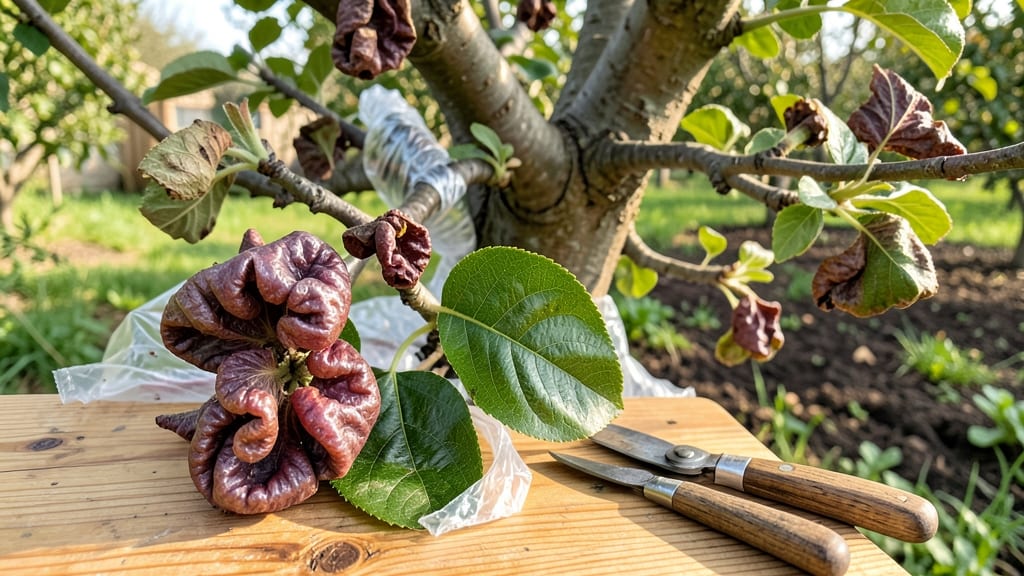
Your apple tree’s curled, spotted leaves aren’t just ugly—they’re a red flag for leaf curl disease, the sneaky fungal foe that strikes every spring. 🌿 I’ve seen this disease turn a thriving orchard into a sad, brown mess in just a few weeks, but early action can save your tree.
The key? Spotting those first twisted leaves before the fungus spreads.
This disease starts as tiny yellow spots on new leaves, which then curl into tight, cupped shapes—like someone crumpled them with their fingers. By summer, those leaves turn brown and fall early, leaving your tree vulnerable.
The fungus Venturia inaequalis hides in fallen leaves all winter, so cleanup isn’t just tidying—it’s your first line of defense. Prune out infected branches in late winter, and you’ll cut the problem down before it even starts.
Organic fixes work, but they require consistent timing: copper fungicide sprays in late winter (before buds swell) and again after petal fall, plus a layer of mulch to keep soil healthy.
I’ve stopped outbreaks with this combo—no chemicals, just smart prevention. The payoff? A tree that bursts with fruit instead of fighting for its life.
Even if your tree looks fine now, don’t wait until next spring to act. This disease moves fast, and once it’s in your orchard, it’s there to stay. Grab your pruners and a spray bottle—your apple harvest depends on it.
Root Causes Behind Leaf Curl
Apple trees are resilient, but when leaf curl strikes, it’s often the result of a mix of environmental stress, fungal invaders, or even poor tree health. Understanding the why behind this disease helps you take targeted action before it spreads. Let’s break down the key triggers:
Leaf curl is primarily caused by apple scab fungi (Venturia inaequalis), a stubborn pathogen that thrives in damp, cool conditions. Here’s how it works:
- Spore Lifecycle: Fungal spores overwinter on fallen leaves or infected buds. When spring arrives and temperatures hover between 40–60°F (4–15°C), spores germinate and infect young leaves and fruit. - Moisture Love: High humidity (especially >75%) and frequent rain create the perfect breeding ground.
Spores splash onto leaves via raindrops, penetrating through natural openings like stomata. - Weakened Trees: Stressed trees (due to drought, poor soil, or nutrient deficiencies) are 3x more susceptible to fungal attacks. A healthy tree’s waxy cuticle acts as a barrier, but damage or poor vigor lets fungi in.
> 💡 Pro Tip: Remove and dispose of (not compost!) fallen leaves in autumn—this cuts spore reservoirs by up to 80%.
Leaf curl doesn’t just happen—it’s often a weather-dependent problem. Key triggers include:
| Condition | Impact on Disease | Actionable Fix |
|---|---|---|
| Cool, Wet Springs | Ideal for spore germination (40–60°F / 4–15°C + moisture). | Plant in well-drained soil; avoid overhead watering. |
| High Humidity | Spores thrive; leaves stay wet for hours, increasing infection risk. | Improve airflow with pruning; use drip irrigation. |
| Late Frosts | Damages buds, creating entry points for fungi. | Use frost cloths or choose late-blooming apple varieties. |
| Drought Stress | Weakens trees, making them vulnerable to pathogens. | Mulch deeply (2–4 inches) to retain moisture. |
> ⚠️ Warning: If your area has back-to-back rainy springs, expect leaf curl—fungicides may be needed proactively.
A struggling apple tree is like an open door for diseases. Common contributing factors:
- Nutrient Deficiencies: Lack of zinc, nitrogen, or potassium weakens leaves, making them easier targets. Yellowing leaves or stunted growth? That’s a red flag. - Compacted or Poor Soil: Roots can’t absorb water/nutrients efficiently, stressing the tree.
Test your soil—pH 6.0–7.0 is ideal for apples. - Overcrowded Canopy: Dense foliage traps moisture, slowing drying and promoting fungal spread. Prune to open the center for sunlight and airflow. - Pests as Gateways: Apple maggots, aphids, or mites can damage leaves, creating wounds where fungi enter.
Keep pests in check with neem oil or insecticidal soap.
> 🎯 Prevention Hack: Apply a balanced organic fertilizer (like 10-10-10) in early spring to boost tree vigor before spore season.
Sometimes, well-meaning gardeners accidentally worsen the problem: - Reusing Infected Pruners: Fungal spores hitchhike on tools. Sanitize blades with 70% rubbing alcohol between cuts. - Ignoring Sanitation: Leaving leaf litter or mowing infected leaves back into the yard spreads spores. Bag and trash diseased debris. - Overhead Watering: Wet leaves for long periods = fungal paradise.
Switch to drip irrigation or water at the base.
Not all apples are equally susceptible:
- High-Risk Varieties: ‘McIntosh’, ‘Red Delicious’, and ‘Golden Delicious’ are top targets for leaf curl.
- Moderate Risk: ‘Fuji’, ‘Gala’, and ‘Honeycrisp’ get it but may show milder symptoms.
- Resistant Picks: Consider ‘Liberty’ or ‘Enterprise’—these are bred to tolerate fungal diseases better.
> 🔥 Quick Fix: If you’re prone to leaf curl, swap out susceptible varieties for disease-resistant ones over time.
Fixing Leaf Curl in Apple Trees
Leaf curl on your apple trees doesn’t have to be a death sentence—with the right approach, you can restore your tree’s health and prevent future outbreaks.
Below are practical, organic solutions tailored to each cause, plus prevention tips to keep your orchard thriving. Let’s get your trees back to their vibrant best!
If you’ve caught the issue early, your tree may still recover with minimal intervention.
🍄 Step 1: Prune Infected Leaves & Branches
- Why? Removing affected foliage stops the spread of spores.
- How?
- Use sterilized pruning shears (wipe with rubbing alcohol between cuts).
- Trim all curled, yellowed, or distorted leaves—even small ones.
- Dispose of clippings in a sealed trash bag (do not compost them).
- Pro Tip: 💡 Focus on new growth first, as fungal spores often concentrate there.
💦 Step 2: Apply a Fungicide Spray (Organic Options)
- Best choices:
- Neem oil (1 tsp per quart of water + a drop of dish soap as an emulsifier).
- Baking soda spray (1 tbsp baking soda + 1 tsp oil + 1 gallon water).
- Copper fungicide (follow label instructions for organic versions).
- When to spray?
- Early morning or late evening (avoid direct sunlight to prevent leaf burn).
- Reapply every 7–10 days until new leaves emerge healthy.
🌡️ Step 3: Improve Air Circulation & Soil Health
- Thin out dense branches to allow sunlight and airflow.
- Mulch with compost (2–3 inches) to boost soil microbes that fight fungi.
- Water at the base (avoid wetting leaves) to reduce humidity, which fungi love.
If your tree is heavily curled, yellowed, or dropping leaves, act fast to prevent long-term damage.
⚔️ Step 1: Aggressive Pruning & Sanitation
- Remove all infected leaves, branches, and even some fruit if heavily affected.
- Burn or trash pruned material (do not leave it in the yard).
- Clean tools with bleach (1 part bleach to 10 parts water) to kill lingering pathogens.
🧴 Step 2: Strengthen the Tree’s Defenses
- Apply a systemic fungicide (like copper hydroxide or potassium bicarbonate) for deep penetration.
- Fertilize with compost tea or fish emulsion to boost immunity.
- Avoid nitrogen-heavy fertilizers, which can weaken the tree further.
🌿 Step 3: Prevent Reinfestation
- Remove fallen leaves from the ground (they harbor spores).
- Plant resistant apple varieties (e.g., ‘Liberty’ or ‘Enterprise’) if replanting.
- Install birdhouses near the tree—birds eat pests like woolly apple aphids, which spread leaf curl.
An ounce of prevention is worth a pound of cure! Here’s how to keep your apple trees healthy long-term:
🌞 Cultural Controls (Non-Chemical)
| Prevention Tip | How to Do It |
|---|---|
| Proper spacing | Plant trees 15–20 feet apart for airflow. |
| Regular pruning | Remove dead or crossing branches annually. |
| Mulch correctly | Use wood chips or straw (keep 2–3 inches away from the trunk). |
| Water wisely | Deep watering 1–2 times per week (avoid overhead sprinklers). |
| Monitor for pests | Check for woolly aphids (white cottony masses)—spray with soapy water. |
📅 Seasonal Care Calendar
- Early spring (before buds swell): Apply dormant oil spray to kill overwintering pests.
- Late spring (pink bud stage): Spray neem oil or copper fungicide as a preventative.
- Fall cleanup: Rake and remove all leaf litter from under the tree.
🌱 Soil & Tree Health Boosters
- Test your soil (pH 6.0–7.0 is ideal for apples).
- Add mycorrhizal fungi to improve root health.
- Plant companion plants like garlic or chives (natural pest repellents).
If your tree is completely defoliated, shows oozing cankers, or fails to respond after two treatment cycles, consult an arborist or extension service. Some cases may require professional fungicide injections or tree removal to protect nearby plants.
With these steps, your apple tree can bounce back—and you’ll enjoy juicy, disease-free fruit for years to come! 🍏🌿
Frequently asked questions
How can I tell if my apple tree has leaf curl vs. just normal spring stress?
Leaf curl shows as tightly curled, cupped leaves with olive-brown spots on the underside—these are key signs. Normal spring stress causes yellowing or wilting without curling. Check for small black specks (fungal spores) on curled leaves, which confirms leaf curl. Early symptoms appear on new growth in late winter/early spring.
Is it too late to treat leaf curl if my tree already has curled leaves?
Not necessarily! While prevention is best, you can still help your tree recover. Prune out all infected leaves immediately, then apply copper fungicide or neem oil spray (every 7–10 days). Focus on new growth to stop further spread. For severe cases, repeat treatments until fresh leaves emerge healthy.
Will leaf curl kill my apple tree?
Leaf curl rarely kills mature trees but can weaken them severely over time. Repeated infections lead to reduced fruit production and early leaf drop, making trees vulnerable to other pests. Young trees are more at risk. With proper pruning, fungicides, and sanitation, most trees recover fully and produce fruit normally.
Can I use household items like vinegar or hydrogen peroxide to treat leaf curl?
While both have antimicrobial properties, they’re not effective for leaf curl. Vinegar is too acidic and can burn leaves, while hydrogen peroxide breaks down too quickly. Stick to copper fungicides, neem oil, or baking soda sprays (1 tbsp baking soda + 1 tsp oil per gallon of water) for safe organic control.
How do I prevent leaf curl in my new apple tree?
Start with proper planting: Choose disease-resistant varieties (like ‘Liberty’), plant in well-drained soil, and space trees 15–20 feet apart for airflow. In late winter, apply dormant oil spray to kill overwintering spores. Mulch with wood chips and water at the base to avoid wetting leaves.