
Planting
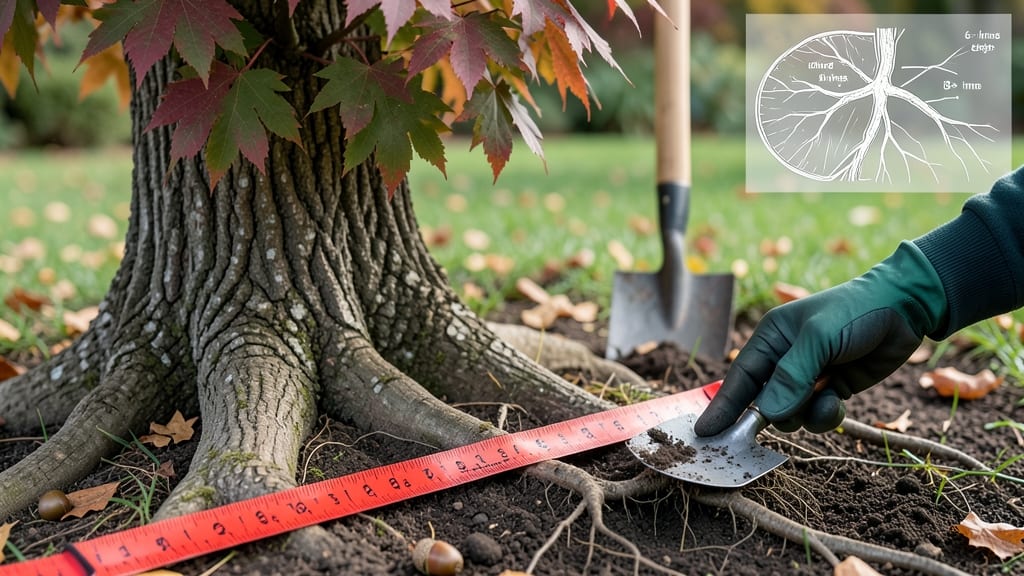
Maple tree roots grow how deep are maple tree roots deeper than most homeowners realize — often reaching 12 to 18 inches below the surface while spreading 2 to 3 times wider than the tree’s canopy.
Planting a maple tree near your home can add stunning shade and curb appeal—but if you don’t account for its aggressive root system, you risk cracked foundations, clogged pipes, and costly repairs. Before breaking ground, understanding how deep these roots spread is the key to safe, long-term planting.
Unlike shallow-rooted shrubs, maple trees develop a robust taproot that anchors deep while sending out lateral roots that can extend up to 50 feet from the trunk. This means spacing matters more than you might think, especially in urban or suburban yards where structures are close.
In this guide, you’ll learn the science behind maple tree root growth, how to plant them safely near homes, and what to watch for if roots start causing trouble. Whether you’re choosing a location or troubleshooting an existing issue, these insights will help you avoid common mistakes.
How deep maple tree roots grow: science and spread patterns
Maple trees are stunning additions to any landscape, but their root systems can be surprisingly aggressive. While most roots grow within the top 12-18 inches of soil, they spread laterally up to 2-3 times wider than the tree’s canopy.
This means a mature maple with a 40-foot spread can have roots extending 80-120 feet from the trunk—far beyond its branches.
Understanding these patterns helps you avoid foundation damage and pipe disruptions. Different maple species vary in root behavior, so knowing your tree’s type is critical. For example, silver maples grow faster but have shallower roots, while sugar maples develop deeper, more stable systems.
Let’s break down the science behind their growth and spread.
🌱
The lateral roots of maple trees are the real concern for homeowners. These horizontal roots grow outward from the trunk, seeking water and nutrients. In the first 5 years, a maple’s root system expands rapidly, often doubling in size each year.
By the time the tree reaches maturity (10-15 years), its roots can extend well beyond the drip line—the edge of its canopy.
Soil type plays a huge role in root depth. In clay-heavy soils, roots may stay shallower due to poor drainage, while sandy soils encourage deeper growth. If your yard has compacted soil, roots can spread even wider as they search for oxygen and nutrients.
Always test your soil before planting to predict root behavior.
🌿
One common misconception is that taproots (deep vertical roots) dominate maple trees. While young saplings do develop a taproot, mature maples rely more on fibrous lateral roots for stability. This shift happens around ages 3-5, which is why older trees cause more foundation issues.
If you’re planting near a house, choose a dwarf variety or plan for long-term root management.
Watering habits also influence root depth. Deep, infrequent watering encourages roots to grow downward, while shallow watering keeps them near the surface. For young maples, aim to water deeply once a week to promote a balanced root system.
Overwatering can lead to root rot, while underwatering causes roots to spread wider in search of moisture.
💧
If you’re landscaping with maples, consider their mature size and root spread. A standard sugar maple can reach 60-75 feet tall with a 40-50 foot spread—meaning its roots could extend 100+ feet in ideal conditions.
For urban settings, opt for semi-dwarf varieties (30-50 feet tall) or plant them at least 25 feet from structures to minimize risks.
Monitoring root growth is easier than you think. Use a soil probe or shovel to check root depth annually, especially near foundations. If you notice roots encroaching on sidewalks or driveways, prune them carefully in late winter or early spring before new growth begins.
✂️
Safe planting distance from homes: avoiding foundation and pipe damage
Maple trees are magnificent additions to any landscape, but their aggressive root systems demand careful planning. To prevent foundation cracks or sewer line damage, maintain a minimum 25-30 feet spacing from your home for mature trees.
This distance ensures roots won’t disrupt underground utilities or compromise structural integrity over time.
For urban yards with limited space, consider dwarf varieties like 'Autumn Blaze' or 'Armstrong' maples, which mature at 15-25 feet tall and require less clearance. Always verify local building codes before planting near driveways or sidewalks, as some municipalities enforce stricter spacing rules.
⚠️ callout warning
Maple tree roots typically extend 12-18 inches deep but spread 2-3x wider than the tree’s canopy. Silver maples have the most aggressive lateral roots, while sugar maples grow slightly deeper. Never plant closer than 15 feet from foundations or pipes—roots can lift sidewalks or invade septic systems within 3-5 years.
To mitigate risks, install a root barrier (buried 2-3 feet deep along property lines) or plant in a raised bed with gravel-filled trenches to redirect roots. For existing trees causing issues, hire an arborist to prune invasive roots without harming the tree’s health.
Soil aeration also helps—loosen compacted soil 12 inches deep annually to encourage deeper root growth away from structures. Avoid planting near water meters or gas lines, as roots can seek moisture and cause leaks. Always call 811 before digging to locate underground utilities.
For sidewalks, maintain at least 10 feet clearance to prevent root heaving that cracks pavement. If space is tight, choose container-grown maples (like 'Skyway' or 'Columnare') that stay under 20 feet tall but still provide shade. Regularly inspect your tree’s root zone for signs of upward pressure on hardscapes.
With proper spacing and proactive care, you can enjoy your maple tree’s beauty without risking costly repairs. Start by measuring your yard’s dimensions and plotting the tree’s mature size—this simple step saves thousands in foundation repairs down the road. 🌳