
Trees
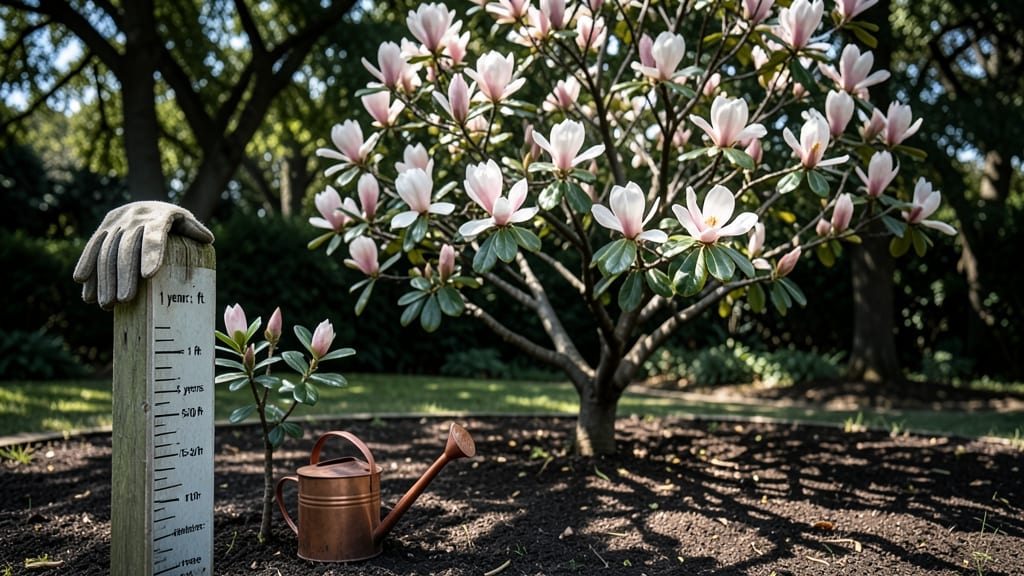
Magnolia tree growth timeline: from seed to full maturity
If you've planted a magnolia tree, you're likely eager to see those iconic blooms—but patience is key. Magnolias grow at different speeds depending on the variety, with some reaching maturity in 5 years and others taking 20+ years.
Understanding the growth stages helps you set realistic expectations and provide the right care. From the delicate first leaves to the towering canopy, each phase offers unique care needs and rewards.
The journey begins with a seedling that may take 1-2 years just to establish its root system. Next comes the juvenile phase, where your tree focuses on building structure rather than flowers.
Finally, the mature stage brings the showstopping blooms you planted for. Factors like climate, soil quality, and watering habits can accelerate or delay these milestones significantly.
The Southern Magnolia is one of the slowest growers, often taking 10–15 years to produce its first blooms. This iconic variety prioritizes root and trunk development before flowering, making early patience essential.
In contrast, the Star Magnolia is a speed demon, often blooming within 3–5 years and reaching its mature height of 10–15 feet in just a decade. This variety thrives in cooler climates and can handle drought conditions once established.
For gardeners eager to enjoy magnolia blooms sooner, the Saucer Magnolia is a fantastic middle-ground option. These trees typically bloom by year 5 and reach their 15–25 foot mature height in about 10 years.
Their large, showy flowers make them a favorite for landscapes, and they adapt well to urban environments with proper care. Planting in well-draining soil and providing morning sunlight can further accelerate their growth.
Climate plays a huge role in magnolia growth speed. Trees in USDA Zones 6–9 grow faster due to longer growing seasons, while those in cooler zones may take 2–3 years longer to reach key milestones.
For example, a Star Magnolia in Zone 7 might bloom by year 4, while the same tree in Zone 5 could take until year 6. Always check your local frost dates and adjust planting timing accordingly.
Soil quality is another critical factor that can make or break your magnolia's growth timeline. These trees thrive in acidic, well-draining soil with a pH of 5.0–6.5. Amending clay soil with organic matter like compost or peat moss can improve drainage and nutrient availability.
Over time, this leads to faster root development and earlier flowering. I’ve seen magnolias in poor soil struggle for years before finally producing blooms, while those in rich, loamy soil reach maturity years ahead of schedule.
Watering habits also impact growth speed. Young magnolias need consistent moisture to establish their root systems, but overwatering can suffocate roots and delay maturity. Aim for deep watering once a week during the first year, then taper off to bi-weekly watering once established.
Mature trees are surprisingly drought-tolerant, but they’ll reward you with healthier blooms if given occasional deep watering during dry spells.
Pruning is often misunderstood but can significantly speed up a magnolia’s growth when done correctly. The best time to prune is late winter or early spring, just before new growth begins. Focus on removing dead, diseased, or crossing branches to improve airflow and light penetration
Fastest-growing vs slowest-growing magnolia varieties: comparison guide
Choosing a magnolia variety isn’t just about beauty—it’s about patience (or lack thereof). Some varieties like Little Gem shoot up like weeds, while others like Tulip Magnolia take their sweet time. Understanding these differences helps you set realistic expectations for your garden timeline and care approach.
The growth rate of magnolias varies dramatically by species. Fast growers can reach 10 feet in just 5 years, while slow growers might only reach 3 feet in the same timeframe.
Your choice depends on whether you want quick shade or long-term investment. Let’s break down the top performers and laggards.
🌱 PRO TIP: Fast-growing varieties often need more frequent pruning to maintain shape, while slow growers require less aggressive care but take longer to mature.
Fast growers like Little Gem and Annabelle are perfect for homeowners who want quick shade or privacy. Their rapid growth means you’ll enjoy blooms and foliage within a decade, but they require more maintenance to keep them healthy and shaped properly.
On the other hand, slow growers like Tulip Magnolia and Sweet Bay are ideal for those with long-term visions—think centennial trees that become landmarks in your landscape.
To accelerate growth in any variety, focus on three key factors: soil quality, watering consistency, and proper sunlight exposure. For example, Annabelle magnolias thrive with 6+ hours of sun daily, while Southern Magnolias prefer partial shade in hotter climates.
Adjusting these elements can shave years off maturation time.
If you’re impatient like me, opt for Little Gem—it’s the fastest-growing magnolia that still delivers stunning blooms. But if you love the idea of nurturing a tree for generations, Tulip