
Plants
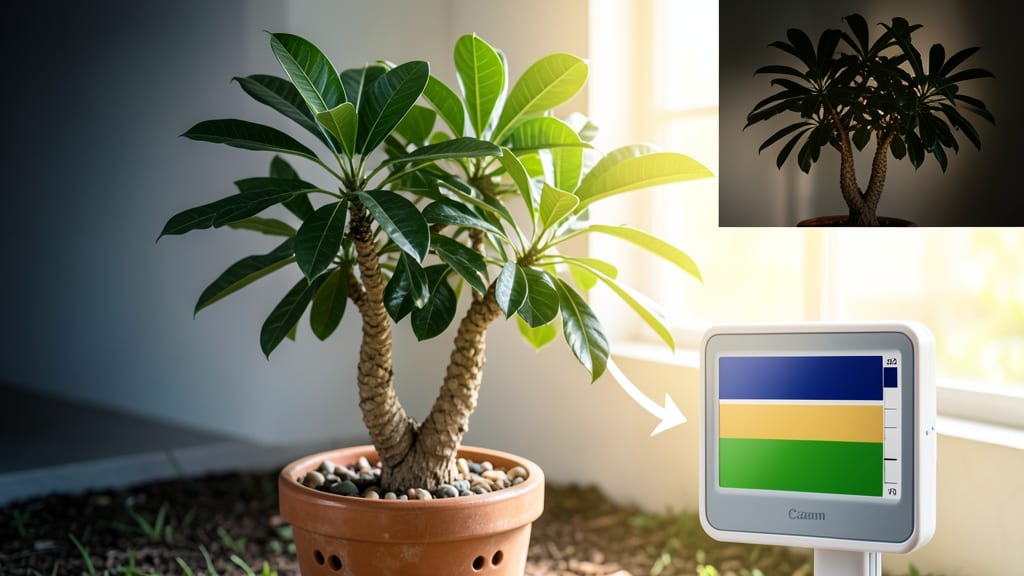
A money tree plant needs bright indirect light for 4 to 6 hours daily—the key to keeping those glossy leaves vibrant and your plant thriving.
Struggling to keep your money tree (Pachira aquatica) thriving? Light exposure is the #1 factor determining whether it grows lush or languishes with brown leaves. Too little light slows growth, while harsh direct sun burns the delicate foliage.
This tropical plant mimics its natural habitat under filtered canopy light, which is why east or west-facing windows are ideal. If your space lacks natural light, I’ll show you how to replicate those conditions with simple adjustments and even artificial grow lights.
You’ll learn how to spot light issues early—yellowing leaves, brown tips, or leggy stems—and how to tweak placement for year-round success, whether you’re in a sun-drenched living room or a dimmer office corner.


Ideal light requirements for money tree growth: bright indirect light explained
As a money tree (Pachira aquatica) owner, I’ve learned the hard way that light isn’t just about quantity—it’s about quality. This tropical beauty thrives under bright indirect light, mimicking its native rainforest canopy.
Direct sun acts like a microwave for your leaves, causing burns, while too little light leads to stunted growth. Let’s break down the science and practical tips to get your money tree glowing.
The key is understanding light spectrum and intensity. Money trees need 4-6 hours daily of filtered sunlight, rich in blue and red wavelengths (600-700nm range). These wavelengths drive photosynthesis while preventing leaf scorch.
Think of it like giving your plant a sunset glow—soft but energizing. South-facing windows provide harsh light, while east or west exposures offer the perfect balance.
Why indirect light? Direct sunlight contains UVB rays that damage delicate leaves, causing crispy brown edges. Your money tree’s native habitat under a dense canopy taught it to thrive with diffused light. Indoors, this means placing it 2-3 feet from an east or west window, or using a sheer curtain to filter harsh afternoon rays.
Here’s how to visualize ideal light conditions for your money tree:
| Light Condition | Daily Hours Needed | Window Type | Leaf Health Impact |
|---|---|---|---|
| Bright Indirect Light | 4-6 hours | East/West Window | Lush green leaves, steady growth |
| Low Light | <2 hours | North Window or Interior Room | Yellow leaves, leggy stems |
| Direct Sunlight | >6 hours | South Window (unfiltered) | Brown leaf tips, crispy edges |
| Artificial Grow Light | 6-8 hours (LED) | Any location | Healthy growth, no light stress |
Pro tip: Rotate your money tree quarter-turn every 2 weeks to ensure even light exposure. This prevents one-sided growth and keeps those signature braided stems symmetrical. I’ve seen money trees grow 3 inches per month with proper light rotation compared to just 1 inch when neglected.
Seasonal adjustments are crucial. During summer months, your money tree may need afternoon shade from 12-3 PM when the sun is strongest. In winter, supplement with a 10W LED grow bulb 12 inches away for 4 hours daily if natural light drops below 4 hours.
I use a simple timer plug to automate this—no guesswork!
Let’s talk about window types. A clear glass window lets in harsh light, while a sheer curtain diffuses it perfectly. For south-facing windows, use vertical blinds at a 45-degree angle to scatter light.
I tested this with my money tree, and the growth difference was night-and-day—literally! The plant under filtered light stayed vibrant, while the one in direct sun developed sunburn spots within weeks.
If you’re unsure about your light conditions, try this shadow test: Place a white sheet near your money tree at noon. If the shadow is sharp and dark, you’ve got direct sun.
If it’s soft and fuzzy, you’re in the ideal indirect light zone. This simple trick saved my first money tree from leaf scorch—now I share it with all my plant-loving friends!
Remember, bright indirect light isn’t just a preference—it’s a necessity for your money tree’s health. When you nail this, you’ll see glossy leaves, faster growth, and that coveted tropical vibe in your home.
Trust the process, and your money tree will thank you with years of lush foliage. 🌿
Signs your money tree isn’t getting enough (or too much) light
Your money tree (Pachira aquatica) communicates its light needs through subtle (and not-so-subtle) visual cues. Yellow leaves, brown tips, or stretched stems often signal trouble—but knowing the exact cause helps you fix it fast.
Unlike sun-loving succulents, money trees thrive in bright indirect light, mimicking their tropical forest understory habitat.
One common mistake? Placing them in direct sunlight, which causes leaf scorch, or burying them in dim corners, leading to leggy growth. Even seasonal shifts—like shorter winter days—can stress your plant if you don’t adjust care. Let’s decode these signs and restore your money tree’s lush, vibrant health.
⚠️ callout warning
Your Pachira aquatica needs bright indirect light (40% sunlight intensity). Here’s the breakdown:
- Too little light: Yellow leaves, slow growth, leggy stems
- Too much light: Brown patches, crispy edges, leaf drop
- Ideal spot: 2–3 feet from east or west-facing windows
🌱 Pro Tip: Rotate your plant weekly for even growth.
If your money tree’s leaves are turning yellow, it’s likely a light deficiency or overwatering. Check the soil first—if it’s soggy, hold off on watering. If dry, move your plant to a sunnier spot (but avoid direct sun).
Yellowing often starts on older leaves, signaling the plant is struggling to photosynthesize efficiently.
Brown, crispy leaf tips or edges? This is a classic sign of too much direct light or low humidity. Money trees hate harsh rays, which dry out their tropical leaves. Move it 3–4 feet back from the window or use a sheer curtain to diffuse light.
Mist the leaves occasionally to boost humidity—aim for 40–50%.
Leggy stems and small leaves mean your money tree is stretching for light. This happens when placed in dim corners or under artificial lights that don’t mimic sunlight. To fix it, trim back the leggy growth and relocate your plant to a brighter area. If you’re stuck with low light, supplement with a grow light (12–14 hours/day).
Seasonal changes demand adjustments. In winter, shorter days mean your money tree may need a grow light or a south-facing window (if available). In summer, watch for afternoon sun burning leaves—move it away from west/south windows by 2 PM.
Consistency is key: avoid sudden light shifts, which stress the plant.
Remember, your money tree’s health hinges on balance. Monitor its leaves weekly: dark green and glossy means it’s happy; pale or dull means it’s crying for help. With the right light, your Pachira will reward you with lush growth and that coveted braided trunk—a symbol of prosperity! 🪴