
How To
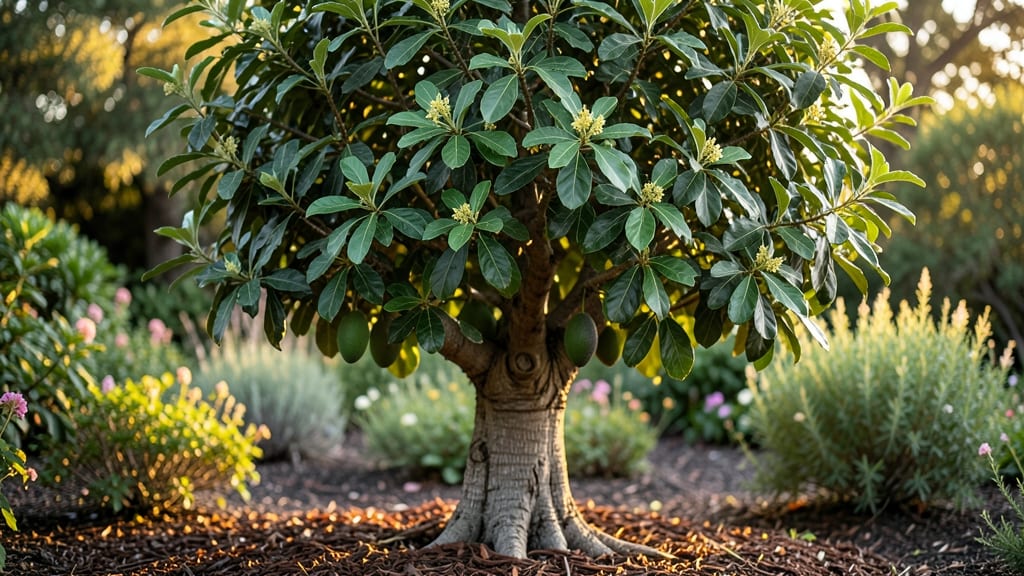
Watching how tall an avocado tree can grow from seed to skyward canopy means tracking its ascent from 2 feet to 80 feet—or more—if you let it. The journey isn’t just about height; it’s about patience, the right variety, and a little strategic care.
Avocado trees aren’t just stunning additions to your landscape—they’re a fascinating study in growth, transforming from a tiny seed into a towering tropical giant. But how tall will yours get? The answer depends on variety, care, and patience—here’s the complete growth timeline from sprout to skyward canopy.
In USDA Zone 9b (or warmer), a standard Hass avocado tree can hit 40–80 feet in 10–15 years, while dwarf varieties like ‘Wurtz’ top out around 10–15 feet. That’s the difference between a backyard centerpiece and a manageable patio tree.
Below, I’ll break down the height stages by age, how to control growth with pruning and spacing, and why some trees stall—plus how to fix it. Ready to grow your own tropical giant?

Avocado tree height stages: from seed to mature canopy growth timeline
Understanding how tall an avocado tree grows starts with recognizing that these trees are slow but steady climbers. In their first year, your seedling will focus on root development rather than skyward growth, typically reaching just 2–5 feet.
This early stage is all about establishing a strong foundation for future height gains.
For Hass avocado trees—the most popular variety—expect 6–10 feet by year two, with Fuerte varieties growing slightly faster at 8–12 feet. The difference comes down to genetics: Hass prioritizes fruit production over vertical growth, while Fuerte leans toward rapid height increases.
Here’s where things get exciting: By year three, your avocado tree will double in height, hitting 12–18 feet. This is the exponential growth phase, where proper care—like full sun exposure and balanced fertilization—can push your tree toward the higher end of this range.
🌱
Between years 5 and 10, your avocado tree enters its most rapid growth phase. Standard varieties like Hass can surge to 20–40 feet, while Fuerte may reach 30–50 feet with ideal conditions. This is when pruning becomes critical—without guidance, branches can become unmanageable and weak.
By 10+ years, most avocado trees hit their mature height, with standard varieties topping out at 40–80 feet. Dwarf varieties like ‘Wurtz’ or ‘Mexicola’ remain 10–15 feet, making them perfect for container growing or small yards.
Environmental factors like wind exposure or nutrient availability can influence whether your tree leans toward the lower or upper end of this range.
🌳
One key factor in how tall avocado trees grow is their root system. Trees planted in well-draining, fertile soil with adequate space will grow taller and stronger. Conversely, root-bound containers or compacted soil can stunt height by limiting nutrient uptake and oxygen flow to the roots.
Climate also plays a role: In USDA Zone 10a or warmer, avocado trees grow 20–30% faster due to longer growing seasons. Meanwhile, in cooler microclimates (like Zone 9b), growth slows during winter months, extending the timeline to reach mature height.
💧
If you’re growing an avocado tree in a container, expect shorter height—typically 30–50% less than in-ground trees. Containers restrict root expansion, which directly limits vertical growth. To maximize height in pots, choose d
How to control avocado tree height: pruning, spacing, and variety selection
If you’re dreaming of a backyard avocado tree but worried about it becoming a 50-foot monster, don’t panic. With the right variety selection and pruning techniques, you can keep your tree at a manageable height—even in small spaces.
The key is understanding when to prune, how to space your tree, and which dwarf varieties suit your yard.
Standard avocado trees like Hass or Fuerte can reach 40–80 feet if left unchecked, but dwarf varieties like 'Wurtz' or 'Mexicola' top out at just 10–15 feet.
That’s the difference between a towering shade tree and a patio-friendly fruit producer. Below, I’ll show you how to control height naturally—without sacrificing fruit production.
🔹 PROS-CONS BOX: VARIETY, PRUNING, AND SPACING STRATEGIES
🌱 Dwarf Varieties
- ✅ Pros: Fits small yards, urban containers, patios
- ✅ Pros: Easier to prune, less aggressive growth
- ✅ Pros: Produces fruit faster (3–5 years)
⚠️ Cons:
- ❌ Cons: Smaller fruit yield
- ❌ Cons: Limited root system (needs containers)
- ❌ Cons: Fewer varieties available
🪴 Pruning for Height Control
- ✅ Pros: Encourages bushier growth, better fruit access
- ✅ Pros: Reduces risk of storm damage
- ✅ Pros: Improves air circulation (fewer pests)
⚠️ Cons:
- ❌ Cons: Requires skill to avoid over-pruning
- ❌ Cons: Can reduce height too much if aggressive
- ❌ Cons: Best done in late winter (dormant season)
📏 Spacing for Containers vs. Ground
- ✅ Pros: Containers limit root spread (slower growth)
- ✅ Pros: Ground planting allows larger root systems
- ✅ Pros: Containers moveable (protect in winter)
⚠️ Cons:
- ❌ Cons: Containers dry faster (more watering)
- ❌ Cons: Ground trees need more space (15–20 ft)
- ❌ Cons: Containers restrict root growth (slower maturity)
For container growing, choose a 15–20 gallon pot with drainage holes and use well-draining soil. Place your tree in full sun and prune 2–3 times per year to encourage bushier growth.
If you’re planting in-ground, space trees 15–20 feet apart to prevent root competition and allow for natural height development.
When pruning, focus on removing vertical shoots that compete with the main trunk. Aim to reduce height by 1/3 during each pruning session in late winter or early spring. Avoid heavy pruning in summer, as this can stress the tree and reduce fruit production.
If you’re in a small urban yard, consider pollination-friendly dwarf varieties like ‘Wurtz’ or ‘Mexicola’. These stay under 10 feet and produce fruit in 3–5 years, making them perfect for patios or balconies. Just remember: dwarf trees need regular pruning to maintain shape and encourage fruiting.
🌿 Whether you’re growing a miniature avocado tree in a pot or a standard variety in your backyard, controlling height is all about balance. Choose the right variety, prune strategically, and give