
How To
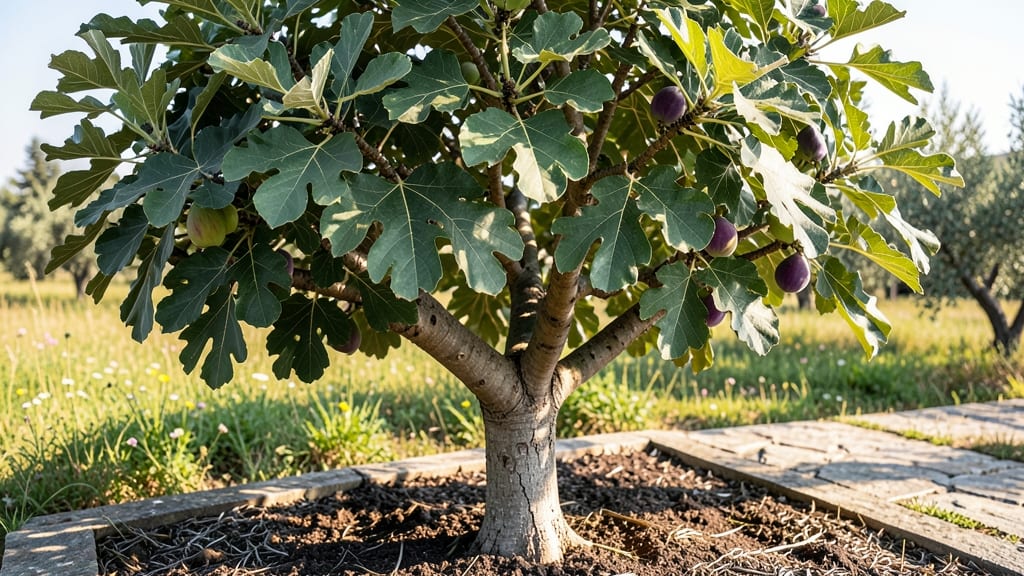
A fig tree can grow how tall can a fig tree grow anywhere from 3 feet to over 30 feet, depending on the variety and growing conditions—making it a versatile choice for both small patios and sprawling gardens.
If you’ve ever dreamed of growing a fig tree but worried about space, you’re not alone—some varieties stretch over 30 feet while others stay neatly under 10 feet!
Understanding the height potential of fig trees isn’t just about yard planning; it’s about choosing the perfect variety for your climate, soil, and lifestyle.
Dwarf varieties like 'Little Miss Figgy' top out at 8-10 feet, making them ideal for containers or small yards, while standard types like 'Brown Turkey' can reach 20-30 feet if left unpruned. The key to managing their size lies in pruning, soil quality, and even the rootstock used.
In this guide, I’ll break down the height ranges of common fig varieties, share pruning tips to control growth, and help you pick the right type for your space—whether you’re working with a tiny balcony or a full backyard.

Fig tree height variations: from dwarf to towering giants
Fig trees are one of the most versatile fruit trees you can grow, offering everything from sweet, sun-ripened fruit to stunning ornamental foliage. But their size can vary dramatically—some stay compact enough for containers, while others become towering giants that need serious yard space.
If you're planning your garden layout, knowing these height variations will help you choose the perfect variety for your space.
The height of a fig tree depends on two key factors: its genetic variety and the rootstock it's grafted onto. Some varieties naturally stay small, while others grow aggressively.
Pruning also plays a huge role in managing their size. Let's explore the three main height categories and the varieties that define them.
Dwarf varieties like 'Little Miss Figgy' and 'Celeste' stay under 10 feet tall, making them perfect for containers, balconies, or small yards. These varieties are often grafted onto dwarfing rootstock like Ficus carica 'Little Miss Figgy', which naturally limits their height.
They're ideal if you want fresh figs without the space commitment.
Standard varieties like 'Brown Turkey' and 'Violette de Bordeaux' typically reach 15-25 feet at maturity. These are the most common types you'll find in home gardens and require more space. Without pruning, they can become quite large, but with regular maintenance, you can keep them more manageable.
These varieties are great for backyard orchards or as focal points in larger landscapes.
For those with ample space, giant varieties like 'Desert King' can grow over 30 feet tall. These trees are often grown for their drought tolerance and prolific fruit production, but they need room to spread.
If you're planting one of these in your yard, plan for pruning from the ground up—they can become unwieldy without proper care.
The rootstock plays a crucial role in determining a fig tree's height. Most commercial fig trees are grafted onto rootstocks like 'Caprifig' or 'Desert King' rootstock, which influence growth vigor.
For example, grafting a 'Celeste' scion onto a dwarfing rootstock will keep it small, while grafting it onto a standard rootstock will
How to control fig tree height: pruning and training techniques
Controlling your fig tree's height isn't just about aesthetics—it's about maximizing fruit production and fitting your tree into your garden's layout. Whether you're dealing with a 10-foot dwarf or a 30-foot giant, proper pruning and training techniques can transform your tree's growth pattern.
The key lies in understanding when to prune and which methods encourage bushier growth without sacrificing productivity.
Fig trees respond best to pruning during their dormant season (late winter or early spring) or right after harvest. This timing minimizes stress while allowing the tree to focus energy on new growth.
For container-grown varieties, you can also prune lightly during the growing season to maintain shape. Remember, fig trees are forgiving—even aggressive pruning won't harm them permanently, but timing matters for optimal results.
Step-by-Step Pruning Guide for Height Control
- 1 Choose the right tools: Use sterilized pruning shears for small branches and a pruning saw for thicker limbs. Disinfect tools with rubbing alcohol to prevent disease spread.
- 2 Prune for shape: Remove suckers at the base (non-fruiting shoots) and crossing branches to improve airflow. Cut back 1/3 of the canopy to encourage bushier growth in standard varieties.
- 3 Train young trees: Use stakes and ties to guide upward growth. For dwarf varieties, prune the central leader to promote lateral branches, creating a bushier habit ideal for containers.
- 4 Air-layer for dwarfs: Wrap a moist sphagnum moss section around a branch with plastic wrap. Secure with wire and wait 4-6 weeks for roots to form before cutting below the new growth.
- 5 Post-pruning care: Apply a balanced fertilizer (6-6-6) and deep water the tree. Mulch around the base to retain moisture and protect roots during recovery.
For taller varieties, focus on selective pruning to maintain an open center. Remove any branches growing inward or downward, as these compete with sunlight and reduce fruit production.
In contrast, dwarf varieties benefit from regular trimming to prevent legginess—pinch back new growth to encourage compact, bushy growth ideal for patios or containers.
If you're growing figs in containers, pruning becomes even more critical. Container-grown trees experience root restriction, which naturally limits height. Combine this with annual pruning to keep your tree under 6 feet while maximizing fruit yield.
For varieties like 'Celeste' or 'Little Miss Figgy,' prune just above a leaf node to stimulate branching.
Remember, fig trees reward patience. A well-pruned tree not only fits your space but also produces heavier crops and more accessible fruit. Start with light pruning in your first year, then gradually shape your tree as it matures.
With consistent care, you'll have a fig tree that's both productive and perfectly sized for your garden.