
How To
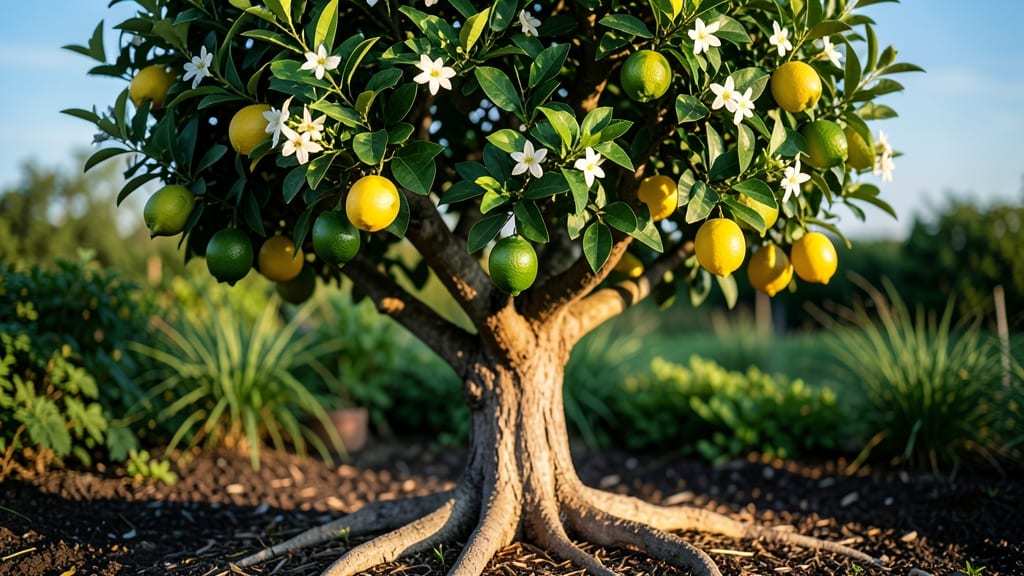
A lemon tree can grow anywhere from 10 to 25 feet tall, depending on the variety and growing conditions—so your backyard space might just be the perfect fit.
If you’re dreaming of fresh lemons but limited by space, knowing your lemon tree’s potential height could mean the difference between a sprawling backyard giant and a compact container-friendly plant. The right variety can thrive in tight spaces—without sacrificing fruit production.
Standard lemon trees reach their full height outdoors in 6a zones, but dwarf varieties stay manageable at just 3 to 8 feet, making them ideal for patios or small gardens.
Pruning and sunlight play a huge role in controlling growth, so even a full-size tree can be kept in check with the right care.
Below, I’ll break down the height differences between standard and dwarf varieties, how to manage growth, and the best pruning tips to keep your 🍋 lemon tree at your ideal size—whether you want a towering centerpiece or a convenient countertop citrus source.

Standard lemon tree height: how tall do mature trees grow outdoors?
If you’ve ever wondered how tall a lemon tree can grow in your backyard, the answer depends on its variety and growing conditions. A standard lemon tree typically reaches heights of 10 to 15 feet outdoors, though some varieties can surpass 20 feet with ideal care.
These trees thrive in warm climates like USDA Zones 9-11, where they can grow tall and robust with proper sunlight and water.
Unlike dwarf varieties, standard lemon trees need space to spread their branches and develop a strong canopy. Without regular pruning, they can grow taller and wider, sometimes reaching 25 feet in perfect conditions.
Understanding their growth potential helps you plan spacing, sunlight exposure, and even container size if you’re growing them in pots.
Standard lemon trees grow taller than most citrus varieties, including lime trees (which max out at 15 feet) and orange trees (typically 12–20 feet). Their height makes them ideal for larger yards or orchards, but they also need well-draining soil and consistent moisture to reach their full potential.
Without these, growth can slow, and the tree may stay shorter than expected.
In cooler climates, like USDA Zone 8 or lower, standard lemon trees may not grow as tall due to winter dormancy. They might only reach 8–12 feet unless protected with frost cloth or grown in containers that can be moved indoors.
This makes dwarf varieties a better choice for smaller spaces or colder regions.
One key factor influencing height is pruning. Regular pruning in late winter or early spring can keep a standard lemon tree at a manageable height while encouraging fruit production.
For example, trimming back 1/3 of the canopy annually can reduce height by up to 30% while improving air circulation and sunlight penetration to lower branches.
If you’re growing a lemon tree in a container, expect it to stay shorter—usually 6–10 feet—due to root restrictions. However, container-grown trees still need large pots (15+ gallons) and regular repotting to avoid stunted growth.
Smaller pots can limit height but may also reduce fruit yield, so balance size with your space and care capacity.
For comparison, a Meyer lemon tree, a popular dwarf variety, typically grows 6–10 feet tall and produces fruit faster than standard types. This makes it a favorite for home gardens with limited space.
If you’re choosing between varieties, consider your available space, climate, and whether you prioritize height or early fruiting.
To maximize height in standard lemon trees, ensure they get full sun exposure, well-draining soil, and regular fertilization during the growing season. Avoid overwatering, which can lead to root rot and stunt growth.
With the right care, your lemon tree can reach its full height potential while producing abundant, juicy lemons for years to come.
Whether you’re planning a backyard orchard or a container garden, understanding your lemon tree’s height potential helps you make informed decisions. For standard varieties, embrace their towering growth, while dwarf types offer the perfect solution for smaller spaces—both can deliver delicious fruit with the right care. 🌿🍋
Dwarf lemon tree varieties: best compact options for small spaces
If you love the idea of growing your own lemons but have limited outdoor space, dwarf lemon tree varieties are your perfect solution. These compact plants reach mature heights between 3 to 8 feet, making them ideal for containers, patios, or even sunny windowsills.
The key is choosing the right variety—some produce sweeter fruit, while others grow faster or tolerate cooler climates better.
My favorite dwarf lemon varieties include the Meyer lemon, known for its sweet-tart fruit and cold hardiness, and the Improved Meyer, which offers even better disease resistance. The Ponderosa lemon is another great option, with its large, textured fruit and slightly larger size (up to 8 feet).
Each variety has unique traits that can influence your choice based on your space and climate.
Container growing is essential for dwarf varieties, as their root systems stay relatively small. Use pots at least 18-24 inches in diameter with drainage holes, and opt for lightweight materials like fabric or plastic to make moving them easier. A 5-gallon container works well for young trees, while mature specimens may need 15-20 gallons to support their fruit production.
To maximize fruit yield in small spaces, focus on proper pruning and nutrient management. Prune in late winter or early spring to remove dead or crossing branches, which encourages bushier growth and more fruit-bearing limbs.
Use a balanced citrus fertilizer every 4-6 weeks during the growing season to support both foliage and fruit production.
Sunlight is critical—dwarf lemon trees need 6-8 hours of direct sun daily. If growing indoors, place them near a south-facing window or supplement with grow lights. In containers, rotate the pot every few weeks to ensure even sunlight exposure, which prevents lopsided growth and maximizes fruit set.
With the right variety and care, your compact lemon tree can produce 50-100 lemons per year, even in a small space. The key is consistency: regular watering, proper fertilization, and strategic pruning will keep your tree healthy and productive for years to come.