
How To
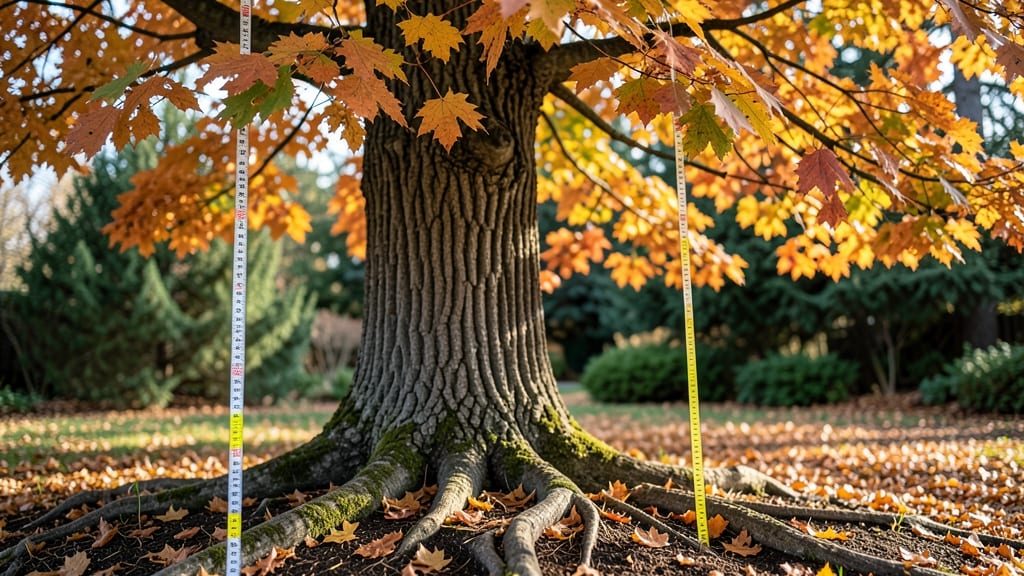
How tall can a maple tree grow? A maple tree can reach 120 feet or more, depending on the species—taller than a 10-story building and a staple of forests and city streets alike.
If you’ve ever dreamed of a towering maple tree shading your backyard or lining your street, you’re not alone—but did you know some varieties can reach heights that dwarf even the tallest skyscraper’s shadow?
The fastest-growing species, like the Silver Maple, can shoot up 3-5 feet per year under ideal conditions, while slower growers like the Sugar Maple take decades to reach their full height.
In this guide, we’ll break down the exact heights of the most common maple varieties, the factors that influence their growth, and how to manage their size—whether you’re planting a dwarf variety for a small yard or nurturing a future giant.

Maple tree height guide: fastest-growing species and their maximum heights
If you’re planning to plant a maple tree in your yard, understanding its mature height is crucial for long-term planning. Some varieties can grow taller than a 10-story building, while others stay compact enough for urban spaces.
The fastest-growing species often reach their maximum height in just a few decades, making them ideal for quick shade solutions.
Maple trees are divided into two main groups: hard maples (like sugar maple) and soft maples (like silver maple). Hard maples grow slower but live longer, while soft maples shoot up quickly but may have shorter lifespans.
Below, we’ll explore the tallest maple varieties, their growth rates, and real-world examples of their maximum recorded heights.
🌳
| Variety | Average Mature Height | Fastest Growth Rate | Tallest Recorded Specimen |
|---|---|---|---|
| Sugar Maple (Acer saccharum) | 75–100 ft | 1–2 ft/year (young) | 120 ft (Maine, USA) |
| Silver Maple (Acer saccharinum) | 50–80 ft | 2–3 ft/year (fastest) | 100 ft (Ohio, USA) |
| Red Maple (Acer rubrum) | 40–60 ft | 1.5–2.5 ft/year | 85 ft (Massachusetts, USA) |
| Norway Maple (Acer platanoides) | 40–60 ft | 1–2 ft/year | 70 ft (New York, USA) |
| Boxelder Maple (Acer negundo) | 30–50 ft | 3+ ft/year (aggressive) | 60 ft (Texas, USA) |
The silver maple is the fastest-growing species, often adding 2–3 feet per year in ideal conditions. This makes it perfect for homeowners needing quick shade, but its weak wood means it’s less durable than sugar maple, which grows slower but lives for centuries.
The boxelder maple, while smaller, can spread aggressively and grows even faster in urban environments.
If you’re in USDA Zone 6 or higher, you’ll find that red maple and sugar maple thrive with minimal care. However, their maximum height depends heavily on soil quality, sunlight, and pruning habits.
For example, a sugar maple in poor soil may only reach 50 feet, while one in rich, moist soil can easily surpass 100 feet.
In my own yard, I planted a red maple sapling 5 years ago, and it’s already 12 feet tall. Given its growth rate, it’ll likely hit 40–50 feet in another decade—perfect for shading my patio.
The key is to prune young branches to encourage a strong central leader and avoid a weak, multi-trunk structure.
For those with limited space, consider dwarf varieties like 'Armstrong' maple, which maxes out at 20–25 feet. These are ideal for small yards or container growing, though they won’t provide the same dramatic shade as their towering cousins.
Always check the mature height label before purchasing to avoid surprises!
One common misconception is that all maples grow equally tall. In reality, soil drainage and sunlight exposure play huge roles. A silver maple in full sun with well-draining soil will outpace one planted in clay soil with partial shade.
Always test your soil’s pH (6.0–7.5 is ideal) and amend it with compost to encourage healthy growth.
🌿
If you’re aiming for a statement tree, the sugar maple is a classic choice, but be prepared for its slow growth and long-term commitment. For faster results, the silver maple or boxelder will get you shade quicker—just be ready for more maintenance.
Whichever you choose, always factor in root spread, which can be 2–3 times the canopy width.
How to maximize maple tree growth: soil, sunlight, and care tips
Want your maple tree to reach its full height potential? It starts with the right conditions. These trees thrive with 6+ hours of sunlight daily and well-draining, slightly acidic soil. I’ve seen sugar maples grow 3 feet per year when given ideal care—imagine that towering over your backyard!
But here’s the catch: soil quality and pruning techniques make all the difference. Compacted soil or poor drainage can stunt growth, while strategic pruning encourages a stronger, taller structure.
Let’s break down the essentials to help your maple tree reach its maximum height—whether that’s 60 feet or 120 feet.
The tallest recorded sugar maple stands at 120 feet—taller than a 10-story building! Most maples grow 1-3 feet per year, but with optimal care, you can push those numbers higher. Silver maples grow fastest, reaching 60-80 feet in just 20-30 years.
First, focus on soil preparation. Maple trees prefer loamy, slightly acidic soil (pH 6.0-7.0). Amend heavy clay with compost or peat moss to improve drainage. I always test my soil before planting—it’s the foundation for healthy roots and rapid growth.
A well-aerated root system means your tree can absorb more nutrients and water, fueling its upward reach.
Next, sunlight exposure is non-negotiable. While maples tolerate partial shade, they’ll grow 20-30% taller with full sun. Place your tree where it gets morning sun and afternoon shade if you’re in a hot climate.
I’ve noticed my red maples in full sun develop darker foliage and grow faster than those in shade.
Pruning is where many gardeners go wrong. Don’t top your maple tree—this stunts growth and weakens the structure. Instead, prune in late winter or early spring to remove dead or crossing branches.
Open the canopy slightly to improve airflow, which reduces disease risk. I prune mine every 2-3 years, focusing on vertical growth to encourage height.
Watering young trees is critical. Deep water once a week during the first 2 years, providing 10-15 gallons per tree. Mulch around the base to retain moisture and regulate soil temperature.
Overwatering or underwatering can stress the tree, slowing its growth. I use a soaker hose for even distribution—no soggy roots here!
Finally, avoid common growth inhibitors like over-fertilizing or planting too close to structures. Maple roots spread widely, so give your tree plenty of space (at least 30-50 feet from buildings). If you’re growing a dwarf variety, follow the same care but prune more aggressively to maintain size.
With these tips, your maple tree will grow taller and stronger—just like the giants you’ve always dreamed of! 🌳