
How To
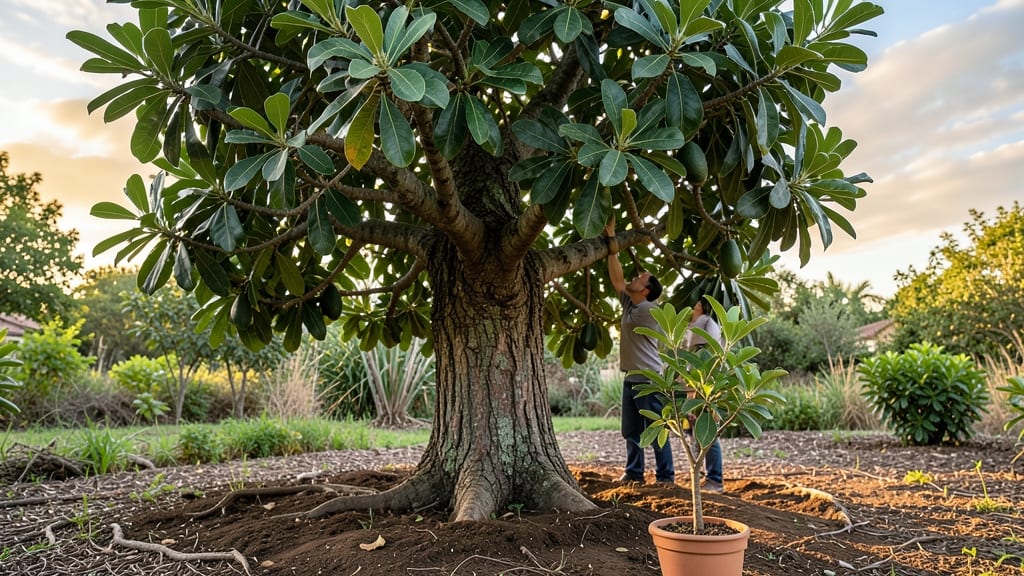
An avocado tree can grow anywhere from 10 feet to a staggering 80 feet tall, depending on the variety and growing conditions 🥑 — but most home gardeners never realize how much their choice of tree affects space needs.
Dreaming of growing your own avocados but worried about space? The height of an avocado tree can vary dramatically—from compact dwarf varieties perfect for patios to towering giants that need acres of land. Before planting, understanding these critical growth differences will help you choose the right variety for your garden.
Popular varieties like the Hass or Fuerte typically reach 30 to 50 feet at maturity, while dwarf types like 'Wurtz' stay under 15 feet. Climate, pruning, and even rootstock play a huge role in how tall your tree will grow.
In this guide, I’ll break down the height ranges for different avocado types, how to pick the right size for your space, and tips to manage growth—whether you’re working with a backyard or a container garden.

Avocado tree height by variety: dwarf vs standard vs giant types
When I first planted my avocado tree, I had no idea how dramatically its size could vary based on the variety and rootstock. Some types stay small enough for patio containers, while others grow tall enough to shade an entire backyard.
Understanding these differences helps you choose the perfect tree for your space and climate.
The height of an avocado tree depends on three key factors: its genetic variety, the rootstock used for grafting, and growing conditions. Dwarf varieties like 'Wurtz' stay under 15 feet, while standard types like Hass can reach 80 feet in ideal conditions.
Let’s break down the height ranges and space needs for each type.
🌱
| Variety Type | Height Range | Space Needs | Common Cultivars | Rootstock Influence |
|---|---|---|---|---|
| Dwarf | 10–15 ft | Patio, small yard, containers (15+ gal) | 'Wurtz', 'Mexicola' | Grafted on dwarfing rootstock like 'Duke 7' |
| Semi-Dwarf | 15–25 ft | Backyard, urban gardens, large containers | 'Fuerte', 'Hass' (semi-dwarf graft) | Grafted on semi-dwarf rootstock like 'Thomas' |
| Standard | 30–80 ft | Large properties, farms, rural areas | 'Hass', 'Bacon', 'Lamb Hass' | Seed-grown or grafted on standard rootstock |
| Giant (Wild/Unmanaged) | 50–100+ ft | Wild groves, tropical forests | 'Mexican' wild types | No grafting; grows from seed |
The rootstock you choose plays a massive role in controlling height. For example, grafting a Hass avocado onto Duke 7 rootstock keeps it dwarf-sized, while the same scion on seedling rootstock will grow to standard height. This is why nurseries offer "dwarf" or "semi-dwarf" labels—it’s all about the rootstock.
If you’re growing in containers, even standard varieties can be pruned to stay under 10 feet, but they’ll produce fewer fruits. My Hass tree in a 20-gallon pot stays around 8 feet tall with regular pruning, but it needs year-round care to thrive in Zone 9.
For backyard orchards, semi-dwarf varieties like 'Fuerte' are ideal—they fit in most yards while still producing high-quality fruit. These trees typically reach 15–20 feet and require 10–15 feet of clearance around them for airflow and sunlight. I planted mine 20 feet apart to avoid shading issues.
In tropical climates (Zones 9–11), standard varieties like 'Lamb Hass' can grow 50+ feet without intervention. These giants need acres of space and professional pruning to manage their height.
If you’re in a small urban garden, stick to dwarf or semi-dwarf types unless you’re prepared for a treehouse project!
One common mistake is assuming all avocado trees grow tall. Many gardeners in Zone 6–8 struggle because they plant standard varieties without considering their mature height. Always check the rootstock type before buying—nurseries often label trees as "dwarf" even if the rootstock isn’t truly dwarfing.
🌳
How to choose the right avocado tree size for your space
Selecting the right avocado tree size depends on your garden layout and climate. In USDA Zones 9-11, standard varieties like Hass can reach 50-80 feet tall, while in cooler Zone 6, dwarf varieties like 'Wurtz' stay manageable at 10-15 feet.
Your space—whether a container patio or backyard orchard—will dictate which variety thrives best.
For urban gardeners, dwarf varieties are ideal because they fit in large pots (15+ gallons) and produce fruit within 3-5 years. Meanwhile, commercial farms often plant standard varieties for higher yields, but these require 20+ feet of clearance and acres of land.
Always check your rootstock type—dwarfing rootstock can reduce height by 50%.
Dwarf Avocado Trees (10-15 ft)
- Space-saving for patios
- Faster fruiting (3-5 years)
- Easier pruning and care
- Container-friendly (15+ gallon pots)
- Lower yield per tree
- Limited rootstock options
- Shorter lifespan (15-20 years)
Standard Avocado Trees (30-80 ft)
- Higher fruit production
- Longer lifespan (30+ years)
- More rootstock choices
- Requires acres of land
- Needs professional pruning
- Slow to fruit (5-10 years)
If you're growing in containers, prioritize dwarf varieties like 'Mexicola' or 'Bacon', which thrive in well-draining soil mixes with regular pruning to control height. For backyard orchards, semi-dwarf varieties like 'Fuerte' (15-25 ft) offer a balance between space efficiency and fruit yield.
Always plant in full sun and well-draining soil to prevent root rot.
Pruning is key to managing avocado tree height. Use open-center training for dwarf trees to encourage horizontal branching, while central leader pruning works better for standard varieties.
Prune in late winter to remove dead or crossing branches and shape the tree. Avoid heavy pruning in summer, as it stresses the plant during fruit development.
For commercial farms, consider pollination-friendly varieties like Hass (Type A) paired with Fuerte (Type B) to ensure cross-pollination. In small backyards, a single self-pollinating variety like 'Lamb Hass' may suffice.
Always research your local climate—some varieties, like Mexican types, tolerate cooler temperatures better than West Indian types.
Remember, avocado trees grow faster in warmer climates with consistent moisture. In Zone 6, use microclimates like south-facing walls or greenhouses to extend the growing season. With the right variety and care, you can enjoy homegrown avocados—no matter your space! 🥑