
How To
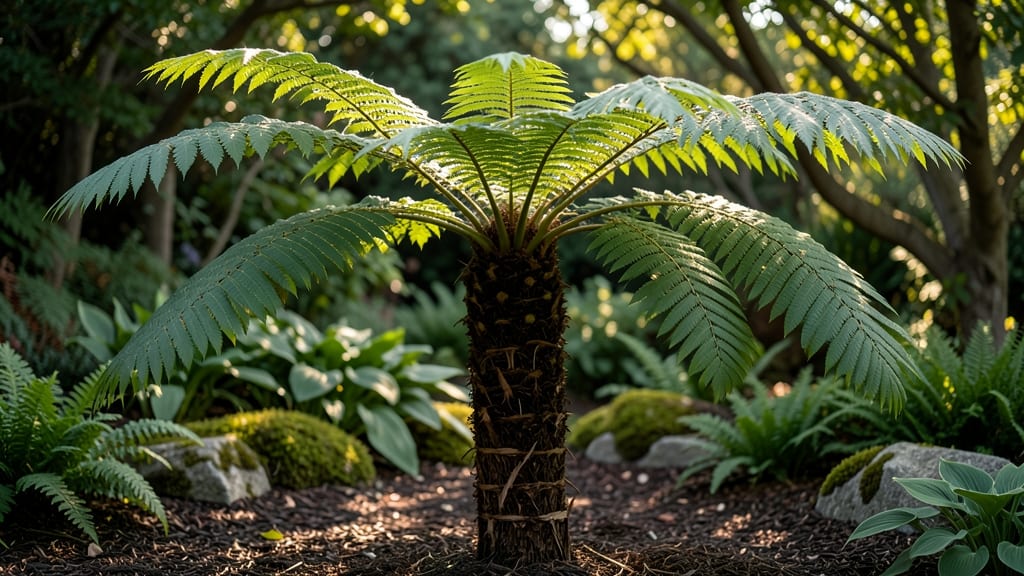
How tall do tree ferns grow? They can reach heights between 6 and 25 feet—depending on the species and growing conditions—making them a dramatic focal point for any garden.
If you’ve ever dreamed of adding towering, ancient-looking greenery but weren’t sure which tree ferns would thrive in your climate, you’re in the right place. These majestic plants can stretch from just a few feet to over 20 feet tall, depending on the variety and where you live.
For example, the Dicksonia antarctica (southern tree fern) often reaches 10 to 15 feet, while Cyathea cooperi can soar up to 25 feet in ideal conditions. The key to maximizing their height lies in understanding your climate zone, soil type, and sunlight exposure.
In this guide, I’ll break down the height ranges by variety, how to choose the right tree fern for your space, and 5 practical tips to help them grow taller without overcrowding your garden.

Tree fern height ranges by variety: from compact to towering giants
Tree ferns are nature’s living sculptures, offering a mix of ancient textures and dramatic heights that transform any garden. Whether you’re designing a shady woodland garden or a tropical-inspired patio, choosing the right variety ensures you get the perfect height for your space.
Some stay compact and bushy, while others reach towering heights—think 15 to 25 feet—making them stunning focal points.
Your garden layout and climate zone will determine which tree fern thrives best. For example, the southern tree fern (Dicksonia antarctica) loves humid, coastal climates, while the silver fern (Cyathea dealbata) adapts to cooler, mountainous regions.
Each variety has unique growth habits, so let’s explore the most popular types and their mature sizes to help you plan your garden like a pro.
🌿
If you’re working with limited space, the cushion tree fern is a fantastic choice, staying under 6 feet while still offering lush, textured foliage. For bold statements, the Australian tree fern can become a 25-foot giant, perfect for large gardens or as a privacy screen.
Always check your USDA hardiness zone—some varieties, like the rough tree fern, need warmth year-round and won’t survive frost.
Another key factor is soil type. Tree ferns thrive in well-draining, humus-rich soil with high organic matter. Amend your garden beds with compost or leaf mold to mimic their natural forest-floor habitat.
If your soil is clay-heavy, mix in sand or perlite to improve drainage—root rot is a common issue in waterlogged conditions.
🪴
For container growing, opt for smaller varieties like the silver tree fern or cushion tree fern. Use a large pot (at least 18 inches wide) with drainage holes and a moisture-retentive potting mix.
Remember, these plants love humidity, so place containers in shady, sheltered spots or group them with other tropical plants to create a microclimate. In dry climates, mist the fronds regularly or use a pebble tray to increase humidity.
One of the most misunderstood aspects of tree fern care is light exposure. While they love shade, they still need some indirect light to grow tall and healthy. Full shade can lead to leggy, weak fronds, while direct sunlight will scorch the delicate leaves.
Aim for dappled sunlight or morning sun with afternoon shade—this mimics their natural understory
How climate zones affect tree fern growth: where to plant for maximum height
Your USDA hardiness zone plays a critical role in determining which tree fern varieties will thrive—and how tall they’ll grow.
Cold-hardy species like Dicksonia antarctica can reach 12–15 feet in Zone 7, while tropical varieties like Cyathea cooperi may only grow to 6–10 feet in Zone 10 without winter protection. Understanding these climate constraints helps you choose the right fern for your garden’s microclimate and maximize its height potential.
Tree ferns are divided into two main categories: temperate (cold-hardy) and tropical. Temperate species, such as Dicksonia and Cibotium, handle Zone 6–9 winters, while tropical varieties like Cyathea and Alsophila thrive in Zone 10–11.
The wrong zone can stunt growth or even kill your plant—so let’s match your climate to the perfect fern for towering success.
| Variety | Ideal Zones | Mature Height | Cold Tolerance | Container Adaptability |
|---|---|---|---|---|
| Dicksonia antarctica | 6–9 | 12–15 ft | Hardy to 10°F | Moderate (large pots) |
| Cyathea cooperi | 10–11 | 6–10 ft | Tender (30°F min) | High (small pots) |
| Cibotium glaucum | 7–10 | 8–12 ft | Hardy to 20°F | Low (ground planting) |
| Alsophila australis | 9–11 | 10–15 ft | Tender (35°F min) | Moderate (large pots) |
If you live in a marginal zone (e.g., Zone 8 with cold snaps), opt for container growing to move tropical ferns indoors during winter. Use well-draining pots with humus-rich soil and place them near a north-facing window for indirect light.
This method can extend your growing season by 2–3 months and help tropical varieties reach their full 10–15 ft potential.
For Zone 6 or colder, focus on Dicksonia species, which tolerate 10°F temperatures. Mulch heavily with pine needles or bark to insulate roots and protect against freeze damage.
In Zone 10–11, tropical ferns like Cyathea thrive year-round but may grow slower in shade. Supplement with bright indirect light to encourage taller, more robust fronds.
Pro tip: Microclimates matter! A south-facing wall or shaded patio can create a warmer niche in cooler zones, allowing you to grow tropical ferns 1–2 zones harder than officially recommended. Test your spot with a thermometer to ensure it stays above the fern’s minimum temperature threshold.
With the right climate match and care, your tree ferns can become the towering statement plants you’ve always wanted—whether you’re in chilly Zone 7 or warm Zone 10. Experiment with varieties and microclimates to find the perfect fit for your garden’s height goals! 🌿