
Light Requirements
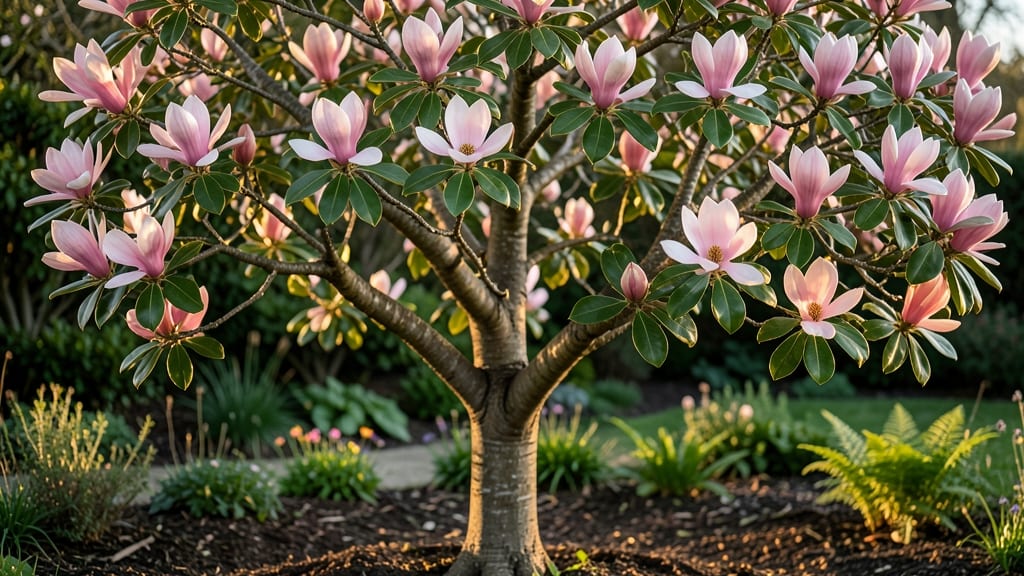
How much sun does a magnolia tree need? The answer lies between 6 and 8 hours of sunlight daily to thrive, though some varieties handle less with ease—getting this balance right is what separates a stunning bloomer from a struggling sapling.
Struggling to decide where to plant your magnolia tree? Too much sun can scorch its delicate blooms, while too little can stunt its growth—getting the light balance right is the secret to a thriving 🌸 magnolia.
Southern magnolias, for example, often love full sun, while their Northern cousins prefer morning light with afternoon shade. Young trees, in particular, need protection from harsh afternoon rays, which can dry out their leaves faster than you’d think.
In this guide, I’ll break down the exact sunlight needs for different magnolia varieties, how to spot signs of too much or too little light, and how to adjust care based on your region—so your tree stays healthy from seedling to full bloom.


Magnolia sunlight requirements by variety: full sun vs. partial shade needs
Choosing the right spot for your magnolia tree starts with understanding its sunlight needs. Unlike many ornamental trees, magnolias thrive in a balanced light environment—too much direct sun can scorch their delicate leaves, while insufficient light weakens growth and reduces blooms.
Their native habitats, from humid Southern swamps to mountainous forests, directly influence their light preferences.
Most magnolia varieties prefer morning sun with afternoon shade, especially in hot climates. However, some varieties—like the Southern Magnolia—can tolerate full sun if given proper water and mulch. Others, such as the Saucer Magnolia, thrive in partial shade, making them ideal for shaded gardens.
Let’s break down the sunlight requirements by variety to help you select the perfect magnolia for your landscape.
| Variety | Native Habitat | Sunlight Needs | Best Placement | Notes |
|---|---|---|---|---|
| Southern Magnolia (Magnolia grandiflora) | Humid Southern swamps and coastal areas | Full sun to partial shade (6-8 hours) | South or west-facing with afternoon shade | Tolerates heat but needs consistent moisture |
| Star Magnolia (Magnolia stellata) | Mountainous regions of Japan | Partial shade (4-6 hours) | East or north-facing with dappled light | Prefers cooler climates; avoid hot afternoon sun |
| Saucer Magnolia (Magnolia × soulangeana) | Hybrid of Chinese and Japanese magnolias | Partial shade to full sun (5-7 hours) | South or west-facing with morning sun | Early bloomer; protect from late frosts |
| Sweetbay Magnolia (Magnolia virginiana) | Wetland areas of Eastern U.S. | Partial shade (3-5 hours) | North or east-facing with filtered light | Loves moist, acidic soil; avoid dry conditions |
| Cucumbertree Magnolia (Magnolia acuminata) | Appalachian forests | Full sun to partial shade (6-8 hours) | West or south-facing with afternoon shade | Tolerates drought once established |
When selecting a magnolia variety, consider your local climate. In the Southern U.S., where summers are hot and humid, varieties like the Southern Magnolia can handle more direct sun, provided they’re well-watered. In contrast, Northern climates
How magnolia trees adapt to sunlight at different growth stages
Magnolia trees are stunning additions to any landscape, but their sunlight needs change dramatically as they grow. Young magnolias are far more delicate than their mature counterparts, requiring careful placement to avoid stress. Understanding these stage-specific requirements ensures your magnolia thrives from seedling to full bloom.
As a gardener who’s nurtured magnolias through every stage, I’ve learned that seedlings need protection from harsh afternoon sun, while mature trees can handle more direct light—especially in cooler climates. The key is balancing morning sun exposure with afternoon shade, depending on the tree’s age and variety.
- 🌱 Seedlings (0-2 years): 4-6 hours of morning sun only; afternoon shade essential to prevent leaf scorch.
- 🌿 Juvenile Trees (3-10 years): Gradually increase to 6 hours of sun, prioritizing east-facing exposure to avoid heat stress.
- 🌳 Mature Trees (10+ years): 6-8 hours of sun, with afternoon shade in hot climates (Zones 8-10) to preserve blooms.
- ☀️ All Stages: Morning sun (6 AM-12 PM) is ideal; avoid direct afternoon sun (1 PM-5 PM) in summer.
When I first planted my Southern Magnolia seedlings, I made the mistake of placing them in full sun. Within weeks, the leaves turned crispy at the edges—a classic sign of sunburn.
I quickly moved them to a spot with dappled shade, and within a month, they recovered beautifully. This experience taught me that young magnolias need gentle light to establish strong roots.
As magnolias mature, their tolerance for sunlight increases, but their blooming habits still depend on proper light exposure. Mature trees in USDA Zones 6-7 can handle more direct sun, especially if they receive afternoon shade during peak summer months.
For example, my Star Magnolia blooms prolifically in a location with morning sun and filtered afternoon light.
In hotter climates like Zone 9 or 10, even mature magnolias benefit from afternoon shade to prevent leaf drop and bud failure. I’ve noticed that my Saucer Magnolia produces fewer blooms in summer if it’s exposed to harsh afternoon rays.
A simple solution? Plant it near a deciduous tree or install a lightweight shade cloth during the hottest months.
For gardeners in cooler climates (Zones 4-5), magnolias can often thrive in full sun year-round, as long as the soil stays well-draining. However, even in these regions, providing some afternoon shade during heatwaves can make a noticeable difference in leaf health and flower quality.
Always monitor your tree’s response to its environment—adjusting its position as needed.
Remember, magnolias are slow growers, so patience is key. If you’re unsure about sunlight placement, start with partial shade and gradually increase exposure over time. With the right balance, your magnolia will reward you with vibrant blooms and lush foliage for decades to come. 🌸