
How To
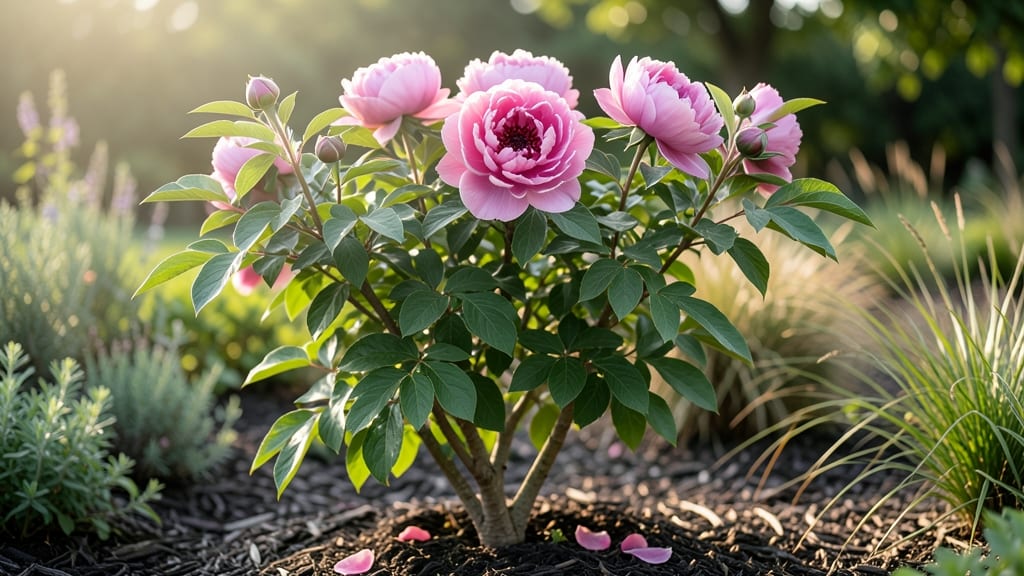
Tree peony height ranges by variety: from compact to towering giants
Tree peonies (Paeonia suffruticosa) are stunning woody shrubs that can transform any garden into a floral masterpiece—but their mature height varies dramatically by variety. Some stay compact enough for small gardens, while others grow tall enough to rival small trees.
Understanding these height ranges helps you plan spacing, support structures, and garden layouts to showcase their beauty without overcrowding.
If you’re choosing tree peonies for urban gardens or large landscapes, selecting the right variety is key. Dwarf types like ‘Duchesse de Nemours’ stay under 3 feet, while giants like ‘Karl Rosenfield’ can reach 10 feet or more.
Let’s explore the full spectrum so you can pick the perfect fit for your space.
| Variety | Mature Height (ft) | Spread (ft) | Growth Habit | Best For |
|---|---|---|---|---|
| ‘Duchesse de Nemours’ | 2–3 ft | 3–4 ft | Compact, bushy | Small gardens, borders |
| ‘Karl Rosenfield’ | 8–10 ft | 6–8 ft | Tall, upright | Large landscapes, focal points |
| ‘Shin-Shu’ | 5–6 ft | 4–5 ft | Semi-dwarf, spreading | Mixed borders, hedges |
| ‘Sarah Bernhardt’ | 6–8 ft | 5–6 ft | Tall, arching | Specimen planting, back of borders |
| ‘Coral Charm’ | 4–5 ft | 3–4 ft | Medium, rounded | Foundation planting, containers |
| ‘High Noon’ | 7–9 ft | 5–6 ft | Tall, vigorous | Privacy screens, woodland edges |
For small gardens, varieties like ‘Duchesse de Nemours’ or ‘Coral Charm’ are ideal—they stay under 5 feet and create a lush, low-maintenance display. Their compact growth habit makes them perfect for container gardening or tight spaces near patios.
Just ensure they get full sun to encourage bushier growth and more blooms.
If you’re designing a large landscape, taller varieties like ‘Karl Rosenfield’ or ‘High Noon’ will steal the show. These towering giants can reach 10 feet or more, making them ideal for focal points or privacy screens.
Plant them at least 6–8 feet from other shrubs to avoid competition for nutrients and sunlight.
Even within a single variety, height can vary based on soil quality, sun exposure, and pruning habits. For example, ‘Shin-Shu’ typically grows to 5–6 feet, but in poor soil or partial shade, it may stay shorter.
Conversely, in rich, well-draining soil with full sun, it can exceed expectations and reach 7 feet.
When planning your garden layout, consider the mature spread of each variety alongside its height. A 6-foot-tall tree peony with a 5-foot spread will need ample space to avoid overcrowding nearby plants.
Always measure the area where you’ll plant and leave at least 3–5 feet of clearance around the base for airflow and maintenance.
For urban gardens or small yards, dwarf varieties are your best bet. They thrive in containers or raised beds
How pruning and care affect tree peony height over time
Tree peonies (Paeonia suffruticosa) are stunning long-lived shrubs, but their height growth depends heavily on how—and when—you prune them. Without proper care, they can become leggy and top-heavy, while strategic pruning encourages bushier growth and controls their height.
The key is timing: prune at the right season to guide their structure without stunting their natural beauty.
Most tree peonies mature between 6 to 10 feet tall, but with regular pruning, you can keep them as short as 3–4 feet—ideal for small gardens. The difference comes down to three main pruning techniques: deadheading, winter pruning, and structural trimming.
Each serves a unique purpose in shaping their growth pattern over time.
- 🌱 Deadheading (Summer): Remove spent blooms to redirect energy into new shoots and bushier growth. This prevents legginess and encourages a fuller shape.
- ✂️ Winter Pruning (Late Fall): Trim back 1/3 of old wood to stimulate fresh growth. This controls height while maintaining a strong structure.
- 🌿 Structural Trimming (Spring): Shape the plant by cutting back overly long branches to maintain a compact form. Focus on removing crossing or weak growth.
- 🌡️ Seasonal Care Tip: Mulch heavily in fall to protect roots and reduce stress, which can slow height growth in young plants.
If your goal is to control tree peony height, prioritize winter pruning and structural trimming. For example, cutting back 50% of the tallest branches in late winter will force the plant to grow wider rather than taller.
This is especially useful for small gardens or urban landscapes where space is limited.
On the other hand, if you want to encourage taller growth, minimize pruning and focus on deadheading only. This allows the plant to channel energy upward, resulting in dramatic 6–10 foot specimens perfect for borders or focal points.
Just ensure they have full sun exposure and well-draining soil to support their height.
One common mistake is pruning too aggressively in spring, which can shock the plant and stunt growth. Always wait until after the first flush of blooms in early summer before making major cuts.
Additionally, avoid pruning new growth in the first year—this is when the plant establishes its root system.
For bushier growth, combine deadheading with light structural trimming in early summer. This encourages multiple secondary branches to form, creating a fuller, more compact shrub. Over time, this approach can reduce height by up to 30% while doubling the number of blooms.
Remember, tree peonies are slow growers—expect only 6–12 inches of growth per year under ideal conditions. Patience and consistent care will determine whether your tree peony becomes a towering garden centerpiece or a neatly contained small-space gem.
With the right techniques, you can shape its height to fit your garden’s vision perfectly.