
How To
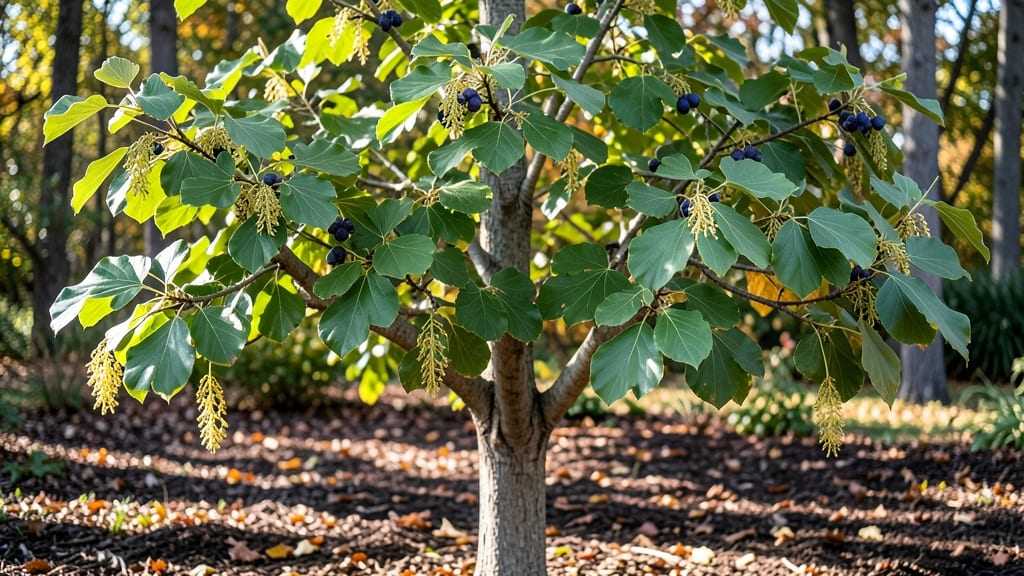
A sassafras tree 🌳 can grow between 20 and 40 feet tall, making it a striking choice for landscapes where you want both shade and height.
If you're dreaming of adding a sassafras tree to your landscape, knowing its mature height is key—this versatile tree can become a towering shade provider or a compact ornamental, depending on where you plant it.
In the Southeast, where sassafras thrives naturally, it often reaches its full 40-foot potential, while in cooler climates like the Midwest, you might see more modest 20- to 30-foot specimens. This difference means your garden size and regional climate play a big role in how much space to allocate.
Beyond its impressive height, sassafras offers culinary uses like filé powder and rootstock for grafting, plus its fragrant leaves make it a standout for both function and beauty. Below, I’ll break down how to manage its growth and whether it’s the right fit for your space.

Sassafras tree height by age: growth stages explained
The sassafras tree (Sassafras albidum) is a fast-growing native that starts small but can reach impressive heights. Understanding its growth stages helps you plan spacing and pruning. In ideal conditions, it can grow 3-5 feet per year in its youth, but this slows as it matures.
Let’s break down exactly how tall your sassafras will be at each stage, from seedling to century-old giant.
Young sassafras trees grow rapidly in their first decade. By age 5, they typically stand between 10-15 feet tall, with a spread of 6-8 feet. This early growth makes them excellent for quick shade in new landscapes.
However, their final height depends heavily on climate, soil quality, and growing conditions. In USDA zones 4-6, growth may be slightly slower due to shorter growing seasons.
Here’s a detailed breakdown of height progression by age, including variations across climate zones:
By age 10, sassafras trees in USDA zones 7-9 (like Florida or Texas) can reach 20-28 feet, while those in cooler zones (like USDA zone 4) may only hit 15-20 feet.
This difference is due to longer growing seasons and warmer temperatures accelerating growth in southern climates. In zone 9, some trees even exceed 40 feet if given ideal conditions.
Between ages 10 and 20, growth slows but remains steady. A 20-year-old sassafras typically stands 25-35 feet tall, with a spread of 15-20 feet. This is when the tree’s canopy expands significantly, making it a prime shade provider.
Pruning during this stage can help manage its size if needed, especially in smaller gardens.
At maturity (30-50+ years), sassafras trees in the Southeast U.S. often reach 35-45 feet, while those in the Northeast or Midwest may max out around 25-35 feet.
The tallest recorded sassafras exceeds 60 feet in rare cases, but this requires exceptional growing conditions, including deep, well-drained soil and minimal competition.
If you’re planting sassafras near power lines or structures, monitor its growth closely. In urban settings, regular pruning can keep it under 25 feet, though this may reduce its shade benefits. For wildlife habitats, allowing it to grow tall provides excellent cover for
Regional height variations: where sassafras trees grow tallest (and shortest)
If you're considering planting a sassafras tree (Sassafras albidum), its mature height can vary dramatically depending on your region. In the Southeast, these trees often reach their full 40-foot potential, while in cooler Midwest climates, they may stay under 25 feet.
The Pacific Northwest sees moderate growth, typically 30-35 feet, due to milder winters and acidic soils. Understanding these regional differences helps you plan spacing and landscape design effectively.
Soil composition plays a major role in height variations. Sassafras thrives in well-drained, slightly acidic soils (pH 5.0-6.5), which are common in the Southeast.
In regions with clay-heavy or alkaline soils, like parts of the Midwest, growth may be stunted. Altitude also matters—trees at higher elevations (e.g., Appalachian foothills) often grow shorter than those in coastal plains.
For example, a sassafras in North Carolina might top 50 feet, while one in Ohio rarely exceeds 20 feet.
In the Southeast, sassafras trees grow fastest due to warmer temperatures and longer growing seasons. For example, a tree in Georgia might add 2 feet per year in its first decade, while one in Michigan may only grow 1 foot annually.
The Pacific Northwest offers a middle ground, with consistent moisture supporting steady growth. If you're in a drought-prone area, like parts of Arizona, expect slower growth unless you supplement with deep watering.
Soil drainage is critical—waterlogged conditions can stunt growth or even kill young sassafras. Amend heavy soils with compost or sand to improve drainage, especially in Midwestern gardens. In coastal regions, where humidity is high, sassafras may develop fungal issues if not planted in well-aerated soil.
Always test your soil before planting to ensure optimal conditions for height potential.
For gardeners in urban areas, where space is limited, consider planting sassafras near property lines in the Southeast or as a multi-stemmed shrub in the Midwest. Pruning young trees to encourage a fuller shape can also help manage height.
Remember, even in ideal conditions, sassafras takes 10-15 years to reach maturity, so patience is key for achieving that towering shade tree you envision.
Whether you're aiming for a 50-foot giant in the Deep South or a 20-foot specimen in the Midwest, understanding regional factors ensures your sassafras thrives. Adjust your expectations based on climate, soil, and altitude—your tree’s height will thank you with lush foliage and aromatic leaves for decades to come. 🌳