
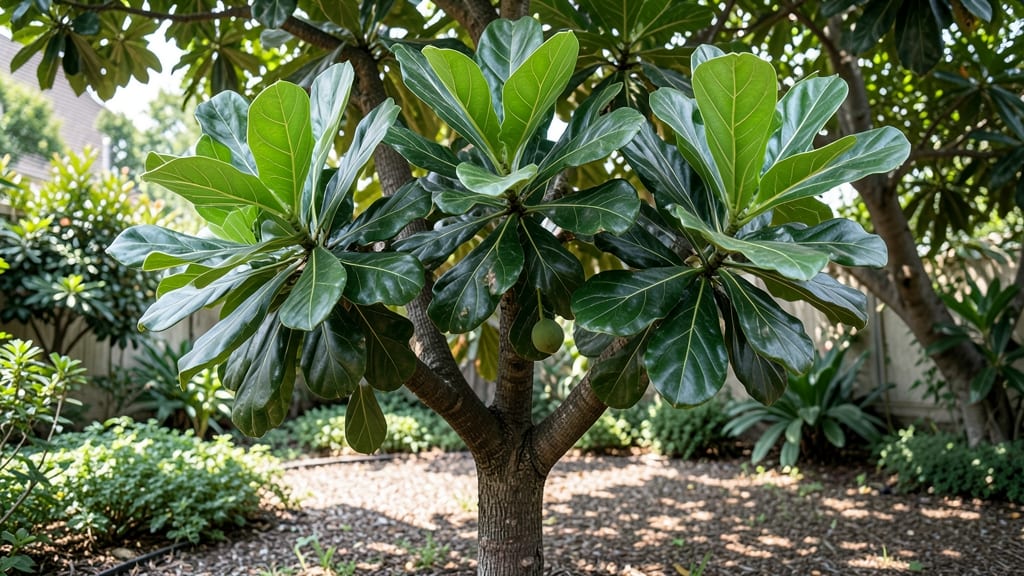
How Tall Do Ficus Trees Grow: Exact Heights by Variety With Care Tips

How To

How Tall Do Ficus Trees Grow: Exact Heights by Variety With Care Tips

How tall does a ficus tree grow? Its mature height spans anywhere from 3 feet to towering 100 feet, depending on the species and where you grow it.

Picture this: your cozy Ficus elastica 🌳 barely reaching your waist indoors, while a wild Ficus benghalensis in the tropics stretches taller than a two-story building. That’s the difference between a houseplant and a jungle giant—and the good news? You can control your ficus’s size with the right care.

Whether you’re dealing with a compact Ficus lyrata or a fast-growing Ficus microcarpa, understanding height ranges helps you plan for pruning, pot size, and even ceiling clearance. Below, I break down exact heights by variety, plus the simple tricks to keep your ficus at your desired size.

You’ll also learn how light, pruning, and pot size affect growth—so you can avoid the common mistakes that turn a manageable plant into a 6-foot monster (or a stunted, leggy shadow of its potential). Let’s get started.

Ficus Tree Height Range
15 ftto50 ft
0 ft 3 ft 6 ft 9 ft 12 ft
🌱 Tall Tree

Ficus tree heights by variety: from tiny houseplants to towering giants

Choosing a ficus tree often comes down to one key question: how tall will it grow? The answer varies wildly—from 3-foot houseplants to 100-foot outdoor giants.

Whether you want a statement plant for your living room or a shade tree for your yard, knowing your ficus's mature height helps you plan for its future. Some varieties like Ficus lyrata stay compact indoors, while others like Ficus benghalensis need acres of space to thrive.

Let’s break down the height ranges for 12+ popular ficus varieties, plus how to manage their growth for your space.

Ficus trees are divided into two main groups: indoor varieties (typically under 10 feet) and outdoor varieties (often 30+ feet). The key factors influencing height are genetics, pruning habits, and growing conditions.

For example, a Ficus elastica (rubber plant) can grow 10 feet indoors but 30 feet outdoors with ideal conditions. Meanwhile, a Ficus microcarpa (Ginseng Ficus) stays under 6 feet even in perfect conditions.

Below, we’ll explore the height ranges, growth rates, and care tips for each variety to help you pick the perfect fit for your home or garden.

📊 Here’s a quick height comparison of the most popular ficus varieties, ranked from smallest to tallest:

How to control Ficus tree growth: pruning, light, and pot size hacks

Controlling your ficus tree height starts with understanding its natural growth habits. Indoor varieties like Ficus elastica (rubber plant) can reach 10 feet tall indoors without intervention, while outdoor types like Ficus microcarpa may grow 30+ feet in ideal conditions.

The key is balancing pruning techniques, light exposure, and container size to shape growth.

For height control, I recommend starting with pruning schedules that match your space. Cutting back 1/3 of new growth in spring encourages bushier growth, while pinching back top branches redirects energy downward.

This works especially well for Ficus lyrata (fiddle-leaf fig), which can grow 5-6 feet tall in just 2 years.

🌱

💡 Pro Tip: Ficus elastica grows 1-2 feet per year indoors. To keep it under 6 feet, prune twice yearly—once in spring and again in early fall. Use clean, sharp shears to avoid crushing stems, which can invite disease.

Light exposure plays a surprising role in height management. Place your ficus tree near a bright, indirect light source (like an east-facing window) to slow vertical stretching. If you notice leggy stems, it’s a sign of insufficient light—move it closer or supplement with a grow light for 12-14 hours daily. Outdoor ficus varieties, like Ficus benjamina, thrive in partial shade and grow 2-3 feet per year without aggressive pruning.

Pot size directly impacts root growth, which in turn affects height. Use a container just 2-3 inches larger than your tree’s root ball to restrict upward growth. For indoor ficus trees, repot every 2-3 years into a slightly larger pot to maintain control.

Outdoor plants benefit from root pruning—trim 10-20% of roots during repotting to encourage denser foliage rather than rapid height increases.

To encourage fuller growth (rather than height), focus on balanced pruning. Trim outer branches to promote branching, and avoid cutting the central leader stem unless you want a multi-trunk look.

For Ficus microcarpa, which can grow 30+ feet outdoors, prune selectively to shape its natural canopy while maintaining structural integrity. Always sterilize tools with rubbing alcohol between cuts to prevent bacterial spread.

Finally, fertilize lightly during growing seasons (spring and summer) to support controlled growth. Over-fertilizing can lead to sodium buildup in soil, which stunts root development and causes height spikes. Use a balanced 10-10-10 fertilizer every 6-8 weeks, and flush the soil with water monthly to prevent salt accumulation.

With these adjustments, you can keep your ficus tree at your desired height—whether it’s a 3-foot tabletop centerpiece or a 10-foot indoor statement piece. ✂️

★★★★★4.6(4 reviews)
Categories How To
Variety Common Name Mature Height (Indoor) Mature Height (Outdoor) Growth Rate Best For
Ficus microcarpa Ginseng Ficus 3–6 ft 15–20 ft Slow to moderate Indoor bonsai, small spaces
Ficus lyrata Fiddle-Leaf Fig 6–10 ft 20–30 ft Moderate Indoor statement plant
Ficus elastica Rubber Plant 6–12 ft 30–50 ft Fast Indoor/outdoor versatility
Ficus benjamina Weeping Fig 10–15 ft 40–60 ft Moderate to fast Outdoor shade tree
Ficus retusa Ginseng Fig 5–8 ft 25–40 ft Slow Indoor bonsai, small gardens
Ficus carica Fig Tree 8–12 ft (container) 30–50 ft Moderate Outdoor fruit-bearing