
Pruning
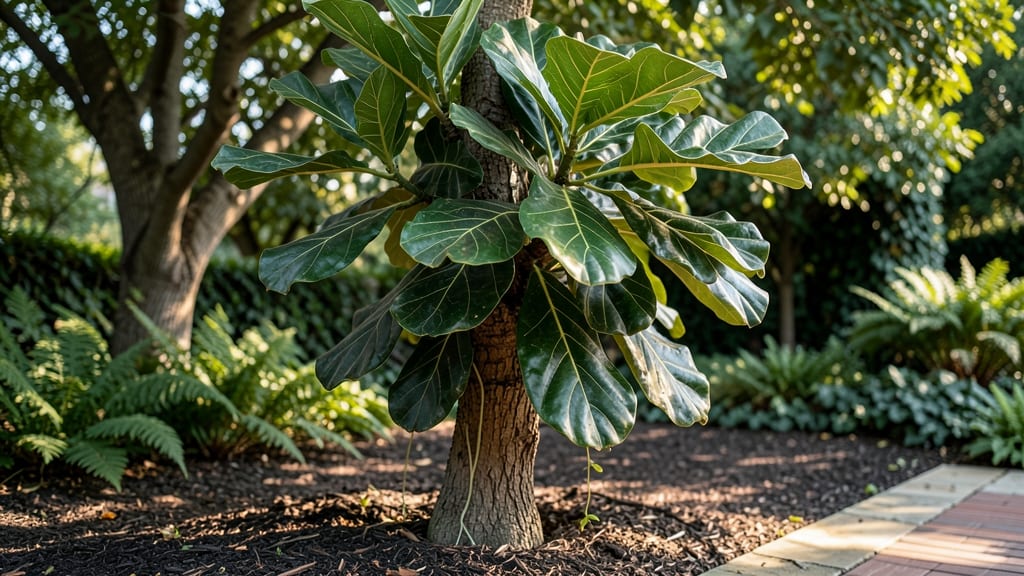
Growing a ficus lyrata tree outdoor transforms your patio into a tropical oasis—if you nail the light, soil, and temperature balance. 🌿 I’ve watched mine go from struggling indoor survivor to lush, sun-drenched showstopper in just two seasons, and the key was treating it like a high-maintenance diva (but with love).
The trick isn’t just moving it outside—it’s preparing for the shift. Fiddle-leaf figs hate drafts and sudden temperature swings, so start with a sheltered spot where it gets bright, indirect light (think morning sun, afternoon shade).
Amend your soil with perlite or orchid bark to prevent soggy roots, and water only when the top 2 inches feel dry—overwatering is their #1 enemy. By summer, you’ll see new growth shooting from those iconic violin-shaped leaves, and with proper pruning, it’ll stay compact and full.
The real reward? A plant that thrives year-round, not just survives. Let’s get yours there—step by step. First, check your climate. Ficus lyrata handles USDA zones 10-12 full-time, but in colder areas, treat it as a seasonal outdoor plant.
Before moving it outside, harden it off by placing it in dappled shade for a week, then gradually increase sun exposure. A south- or west-facing porch works best—just avoid scorching afternoon rays in peak summer. The soil mix matters just as much as sunlight.
Use a well-draining potting mix with added perlite or coco coir (I mix 60% potting soil, 30% perlite, and 10% worm castings). A slightly acidic pH (around 6.1–6.5) keeps roots happy, and a pot with drainage holes prevents root rot—no exceptions.
Mulch with bark chips to retain moisture without smothering the roots. Watering is where most people trip up. Stick your finger in the soil—if it’s damp past the first 2 inches, wait. When you do water, soak thoroughly until it drains from the bottom.
In summer, that might mean every 5–7 days; in winter, stretch it to every 10–14. Brown leaf tips? Usually overwatering or fluoride in tap water. Switch to filtered or rainwater if you notice it. Prune in late winter or early spring to shape the tree and encourage bushier growth.
Cut just above a leaf node at a 45-degree angle, and never trim more than one-third of the foliage at once. This keeps the plant from going into shock. A light dusting of neem oil every few weeks keeps pests like spider mites at bay—prevention is easier than cure.
Seasonal adjustments are everything. In fall, reduce watering as temps drop, and bring it indoors before nighttime temps hit 50°F. If you must overwinter it outside in colder zones, wrap the pot in burlap and move it to a sheltered spot. The payoff?
A fiddle-leaf fig that grows 12–24 inches per year with glossy, disease-free leaves—no more struggling indoor plant, just a thriving outdoor star.
📚 In This Guide
- What you need
- Instructions
- Tips and common mistakes
- Wrapping up and next steps
What you need
- ● Well-draining potting mix: 5-10 gallons (depending on pot size). Look for a blend labeled for large houseplants or tropical plants.
- ● Garden gloves: 1 pair (to protect your hands from soil and sap). Opt for breathable, durable material.
- ● Pruning shears: 1 pair (bypass pruners with sharp, stainless-steel blades for clean cuts). Size: 6-8 inches.
- ● Disinfectant (70% isopropyl alcohol or hydrogen peroxide): Small bottle (for sterilizing tools).
- ● Mulch: 2-3 inches of organic mulch (e.g., shredded bark or coconut coir) to retain moisture and regulate soil temp.
- ● Watering can or hose with a gentle spray nozzle: 1 (for hydration without over-saturating roots).
- ○ Support stake or trellis (optional): 1-2 (if your tree is top-heavy or leaning). Use bamboo or metal stakes.
- ● Sunlight assessment: Confirm your outdoor spot gets bright, indirect light (6+ hours/day). Avoid harsh afternoon sun.
- ● Windbreak (if needed): Temporary screen or barrier (e.g., lattice) to shield from strong breezes.
- ● Drainage solution: Elevate the pot on feet or a saucer with pebbles if your outdoor area has poor drainage.
- ● Seasonal prep: Spring: Fertilizer (balanced 10-10-10 or organic option like fish emulsion).
- ● Fall/Winter: Insulation wrap (burlap or frost cloth) for pots in cold climates (<30°F).
- ● ✨ Soil test: Check pH (ideal: 6.1–6.5). Adjust with lime or sulfur if needed.
- ● 🌡️ Thermometer: Monitor temps—Ficus lyrata thrives in 60–75°F but avoids extremes.
- ● 🎯 Acclimate gradually: Move potted trees outdoors for 1–2 hours/day before full-time placement.
Step-by-step outdoor care for a thriving Ficus lyrata tree
Your fiddle-leaf fig thrives outside with the right balance of sun, water, and seasonal adjustments.
☀️ Step 1: Choose the Perfect Outdoor Spot
Start by finding a location with bright, indirect light—think dappled shade under a large tree or a patio covered by a sheer curtain. Direct afternoon sun will scorch those gorgeous leaves, leaving brown patches that never recover. I always test a spot for a week first by placing the plant there during peak sun hours and watching for leaf stress.
Your tree needs 6-8 hours of filtered light daily, but morning sun is ideal. If your outdoor space gets intense midday rays, move the plant to a shaded area by 10 AM and bring it back out in the late afternoon. Watch the leaves: if they develop crispy edges or pale yellow spots, the light is too harsh.
💧 Step 2: Water Deeply but Infrequently
Fiddle-leaf figs hate soggy roots, so water only when the top 2-3 inches of soil feel completely dry. Stick your finger in—if it comes out clean, it's time. I water mine once every 7-10 days in summer, but less often in winter when growth slows. Always water deeply until it drains from the bottom, then empty the saucer to prevent root rot.
Mist the leaves 2-3 times a week in dry climates to mimic humidity, but avoid wetting the crown where leaves meet the stem. You'll know you're doing it right when the air feels slightly damp around the plant and dust washes away easily. Overwatering is the #1 killer—yellow leaves or mushy stems mean you're drowning your tree.
✂️ Step 3: Prune and Shape for Health
Prune in late spring or early summer when new growth appears. Use clean, sharp pruners to trim back leggy stems or remove yellowed leaves at the base. Cut just above a leaf node (the bump where leaves grow) to encourage bushier growth. I never cut more than 1/3 of the plant at once—this prevents shock and keeps the tree balanced.
Shape your tree by pinching back the tips of new growth when they reach 6-8 inches. This triggers branching and a fuller look. Watch for new leaves emerging from the sides—these are your signal that pruning worked. Avoid heavy pruning in fall or winter, as the tree needs energy to recover before dormancy.
🌿 Step 4: Adjust Care for Each Season
In spring, increase water slightly and fertilize every 4-6 weeks with a balanced liquid fertilizer. You'll see new leaves unfurling within weeks—that's your cue everything's working. Summer means more frequent misting and occasional pruning to control size. Bring the tree indoors if temperatures hit below 50°F at night.
Fall is about tapering off fertilizers and reducing water. Let the top 3-4 inches of soil dry out completely between waterings. In winter, move your fiddle-leaf fig to a bright, cool indoor spot (60-65°F) if outdoor temps drop below 45°F. Avoid drafts—cold air causes leaf drop and weakens the plant.
🪴 Step 5: Protect and Maintain Year-Round
Watch for pests like spider mites or scale, which love outdoor conditions. Wipe leaves with a damp cloth weekly to remove dust and deter pests. If you spot tiny webs or sticky residue, treat with neem oil spray (mix 1 tsp with 1 quart water) and repeat every 5 days until gone.
Repot every 2-3 years in spring using a pot just 1-2 inches larger than the current one. Fiddle-leaf figs prefer being slightly root-bound, so don’t go too big. Add fresh potting mix with perlite for drainage—this prevents compacted soil that suffocates roots. You’ll know it’s time when roots circle the pot or water runs straight through in minutes.
Tips & tricks for perfect Ficus lyrata tree outdoor care
Here's what nobody tells you about keeping your fiddle-leaf fig thriving outside—these little details make all the difference.
Light Testing: When you're testing that perfect outdoor spot, pay attention to the leaves' behavior for at least 3 days before committing. I've seen plants that looked fine for a day but developed stress after prolonged exposure. Look for subtle changes like slight curling or darkening of leaf edges—these are early warning signs of too much sun. Morning light is gentler, so if you have a choice, position your tree where it gets those golden morning rays first.
Watering Wisdom: That 7-10 day watering schedule in summer can feel tricky—especially if you're away for a week. I use a moisture meter to check soil dryness before watering, and I always water in the morning so excess moisture evaporates during the day. For extra peace of mind, place your pot on a bed of pebbles with water in the saucer below (never touching the pot) to increase humidity around the roots without overwatering.
Pruning Precision: When shaping your tree in Step 3, don't forget to sterilize your pruners with rubbing alcohol between cuts. This prevents spreading disease between branches. I also like to make my cuts at a slight angle just above a leaf node—this helps water run off and prevents rot. And here's a pro move: if you're pruning for shape, do it gradually over several sessions rather than all at once. Your tree will thank you with bushier growth.
Seasonal Transition Strategy: When bringing your fiddle-leaf fig indoors for winter, don't rush the process. Acclimate it over 3-4 days by moving it to a shaded spot for increasing amounts of time each day. Sudden temperature changes can shock the plant and cause leaf drop. Also, keep it away from heating vents—consistent 60-65°F is ideal, but drafts will stress it out.
Pro Tips for Ficus Lyrata Tree Outdoor
- Here's what nobody tells you about keeping your fiddle-leaf fig thriving outside—these little details make all the difference.
- Light Testing: When you're testing that perfect outdoor spot, pay attention to the leaves' behavior for at least 3 days before committing.
- Watering Wisdom: That 7-10 day watering schedule in summer can feel tricky—especially if you're away for a week.
Frequently asked questions
Got questions about keeping your Ficus lyrata thriving outdoors? You’re not alone! Here are answers to the most common concerns—from sunlight struggles to winter worries—so you can enjoy lush, fiddle-leafed beauty year-round.
Can a Ficus lyrata survive outside in winter?
A Ficus lyrata is tropical and needs protection when temperatures drop below 45°F (7°C). Move it indoors or wrap the pot in bubble wrap and cover it with a frost cloth. If you must leave it out, choose a sheltered spot (like a garage or under an eave) and mulch the soil to insulate roots.
How often should I water my outdoor Ficus lyrata?
Water when the top 1–2 inches of soil are dry—usually every 7–10 days in summer, but less in winter. Overwatering is the #1 killer! Ensure the pot has drainage holes and avoid soggy soil. Pro tip: Stick your finger in the soil—if it’s damp, wait!
Why are my Ficus lyrata leaves turning yellow or brown?
Yellow leaves often mean overwatering, while brown edges or crispy spots signal underwatering or low humidity. Check for pests (like spider mites) on the undersides of leaves too. Adjust care: water less in winter, mist leaves, or place a pebble tray nearby for moisture.
What’s the best outdoor location for a Ficus lyrata?
Choose a spot with bright, indirect light (morning sun + afternoon shade works best). Avoid harsh afternoon rays, which can scorch leaves. If your climate is hot and dry, partial shade is ideal. A covered patio or balcony with dappled sunlight is perfect!
Can I prune my Ficus lyrata outdoors?
Yes! Prune in spring or early summer to shape the tree or encourage bushier growth. Use sterilized shears, cut just above a leaf node, and propagate the clippings in water or soil. Avoid heavy pruning in winter—it stresses the plant. Bonus: Pruning also helps improve airflow and prevent diseases!
Wrapping up and next steps
Growing a Ficus lyrata outdoors is a rewarding journey that brings lush, tropical beauty to your space—with the right care! 🌿 By mastering pruning techniques, understanding its light and soil needs, and troubleshooting common issues, you’ll ensure your tree thrives year-round.
Remember, patience and consistency are key; your fiddle-leaf fig will flourish as you fine-tune its environment.
Ready to take the next step? Start small:
- 📅 Schedule a monthly pruning session to maintain shape and health.
- 🌱 Monitor soil moisture and adjust watering as seasons change.
- 💡 Experiment with placement—find the perfect balance of sunlight and shade.