
How To
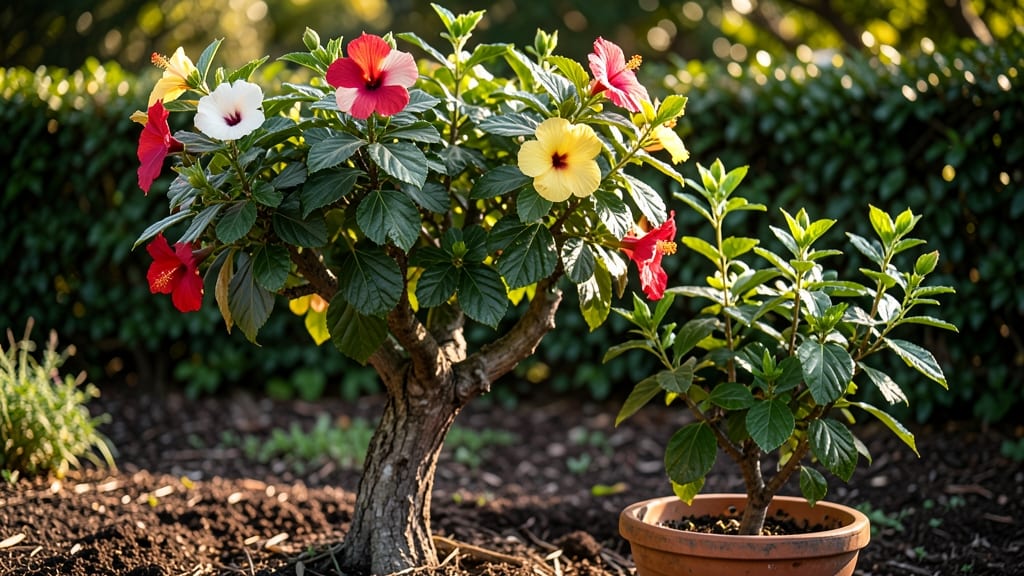
A hibiscus tree grows to how tall does a hibiscus tree grow heights between 10 and 20 feet at maturity, depending on the variety and growing conditions—so if you’re eyeing one for your garden, size matters more than you might think.
Picture this: a tropical hibiscus 🌺 stretching toward your roof, its bold blooms catching every breeze, while a hardy hibiscus stays compact enough for a patio container. The difference isn’t just in the height—it’s in how much space and care each type demands.
Fast-growing tropical varieties can shoot up 3–5 feet in a single season, while dwarf or hardy types top out at 3–6 feet. That means pruning, sunlight, and soil all play a role in whether your hibiscus becomes a towering statement piece or a manageable centerpiece.
Below, I’ll break down the height ranges by variety, share pruning secrets to control growth, and help you pick the perfect hibiscus for your space—whether you’ve got a backyard or just a balcony.

Hibiscus tree height by variety: fast-growing types and their mature sizes
Choosing the right hibiscus variety depends on your space and growth goals. Hibiscus trees come in stunning tropical and hardy varieties, each with distinct mature heights. Tropical hibiscus varieties can soar to 10–20 feet, while hardy hibiscus varieties typically stay between 3–6 feet.
Knowing these differences helps you plan for pruning, container gardening, or even small-space solutions.
For gardeners with limited space, dwarf hibiscus varieties like 'Peppermint' or 'Dwarf Tropical' reach only 3–5 feet, making them perfect for patios or balconies. Meanwhile, standard tropical hibiscus varieties grow aggressively, requiring ample room to thrive.
Let’s explore how these varieties grow and how to manage their height for your garden’s needs.
Tropical hibiscus varieties, like 'Hawaiian Sunset' or 'Lady Stanley', are the fastest growers, often reaching 10–20 feet in ideal conditions. These varieties thrive in warm climates (USDA zones 10–11) and need full sun to fuel their rapid growth. In cooler zones, they’re grown as annuals or overwintered indoors.
Hardy hibiscus, such as 'Arctic Snow' or 'Hamabo', are cold-hardy to zone 5 and stay compact at 3–6 feet. They grow slower but reward gardeners with long-lasting blooms and minimal pruning needs. These varieties are perfect for perennial gardens where you want low-maintenance color year after year.
Dwarf hibiscus varieties are the unsung heroes of small-space gardening. 'Peppermint' and 'Dwarf Tropical' varieties stay under 5 feet and grow just 1–2 feet per year. Their slower growth makes them ideal for containers, where you can control their size with regular pruning and repotting every few years.
If you’re growing hibiscus in containers, choose a pot that’s at least 18–24 inches wide to accommodate root growth. For tropical varieties, use a 5-gallon container or larger, while dwarf varieties thrive in 3-gallon pots.
Always ensure pots have drainage holes to prevent root rot, a common issue with hibiscus.
Pruning plays a key role in managing hibiscus height. For tropical varieties, prune in late winter to reduce height by 1/3 and encourage bushier growth. Hardy hibiscus benefit from light pruning after flowering to maintain shape. Dwarf varieties need minimal pruning—just trim back leggy stems to keep them compact.
Sunlight is critical for hibiscus growth. All varieties need 6+ hours of direct sun daily to reach their full height potential. Without enough light, tropical hibiscus may grow 30–50% shorter and produce fewer blooms. If your garden lacks full sun, consider growing dwarf varieties in containers near a south-facing window.
Soil quality also impacts height. Hibiscus prefer well-draining, slightly acidic soil (pH 6.1–6.5). Amend heavy clay soil with compost or sand to improve drainage. Poor soil can stunt growth, so test your soil before planting and add organic matter as needed.
With the right variety and care, you can enjoy hibiscus blooms at any height—whether you’re aiming for a towering tropical specimen or a charming dwarf patio plant. Start with the variety that fits your space, and don’t forget to prune and fertilize regularly for the best results!
How to control hibiscus tree height: pruning, training, and space-saving tips
Managing the height of your hibiscus tree is easier than you think! With the right techniques, you can keep it compact, encourage vertical growth, or even grow it in containers. The key lies in understanding pruning schedules, training methods, and space-saving hacks tailored to your garden’s layout.
Whether you want a bushy shrub or a towering specimen, these strategies will help you achieve your vision.
First, let’s tackle the seasonal pruning that keeps hibiscus trees at your desired height. Timing is everything—prune right after blooming to encourage new growth while maintaining shape. For tropical hibiscus, aim for late winter or early spring, while hardy varieties can handle pruning in early spring.
Always use clean, sharp pruners to avoid damaging branches and spreading disease.
- Assess your hibiscus – Identify if it’s a tropical (fast-growing) or hardy (slower-growing) variety. Measure its current height and note any overgrowth.
- Choose your goal – Decide if you want a compact shape (3–5 ft), vertical growth (6–10 ft), or container-friendly size (under 5 ft).
- Prune for shape – Use hand pruners to trim back 1/3 of new growth in early spring. Cut just above a leaf node to encourage bushier growth.
- Train with stakes – For vertical growth, install 3–4 ft bamboo stakes and tie the main stem loosely with soft garden twine to guide it upward.
- Container gardening – Select dwarf varieties like ‘Peppermint’ and use 15–20 gallon pots with drainage holes. Prune regularly to maintain size.
- Monitor growth – Check monthly for overgrowth or weak branches. Adjust pruning or staking as needed to keep the tree in check.
For those with limited space, container gardening is a game-changer. Dwarf hibiscus varieties like ‘Lime Green’ or ‘Dwarf Tropical’ thrive in pots, making them perfect for patios or balconies. Use well-draining potting mix and a container at least 15 gallons to accommodate root growth.
Remember to prune container hibiscus more frequently—every 4–6 weeks—to prevent them from outgrowing their space.
If you’re aiming for a taller hibiscus tree, focus on training techniques like staking. Install bamboo stakes or a trellis near the plant and gently tie the main stem to guide it upward.
This method works especially well for hardy hibiscus, which naturally grows in a more upright form. Avoid over-tightening the twine to prevent stem damage or restricted growth.
Finally, don’t forget the tools of the trade. Keep a pair of bypass pruners, gardening gloves, and disinfectant on hand to maintain hygiene and precision. For larger branches, a pruning saw will make the job easier.
Always sterilize your tools with rubbing alcohol between cuts to prevent the spread of bacterial or fungal infections.
With these height-control strategies, your hibiscus tree will stay exactly where you want it—whether that’s a bushy centerpiece or a towering tropical statement. Happy pruning! 🌺✂️🪴