
How To
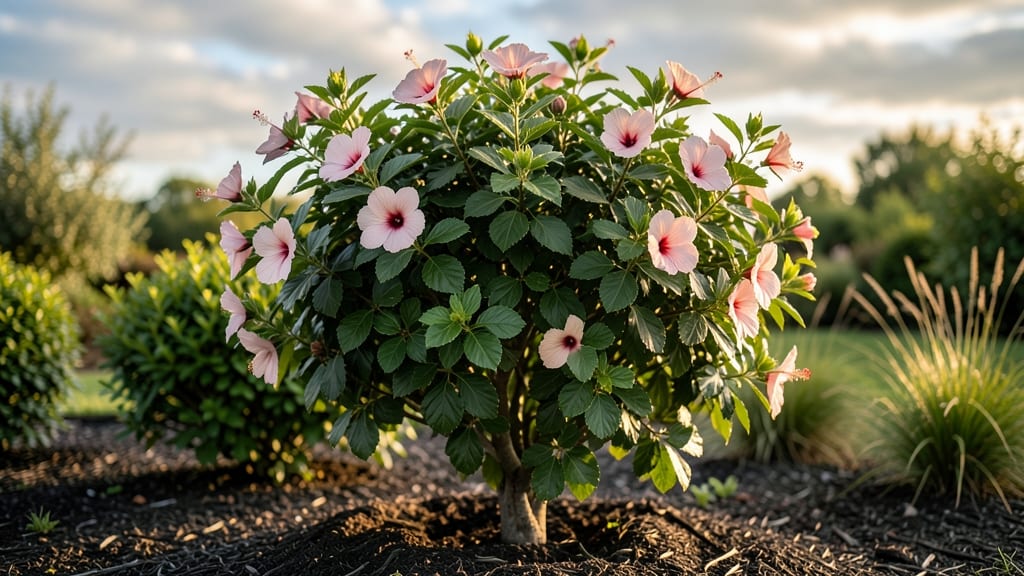
A hibiscus tree 🌺 can grow anywhere from 6 to 20 feet tall, depending on the variety and growing conditions—so knowing how to manage its height is key to keeping your garden looking just right.
Watching a hibiscus tree reach towering heights can be both breathtaking and overwhelming—especially when space is limited. But how tall should yours grow, and how can you shape it naturally without harsh pruning?
Some varieties, like the tropical Hibiscus rosa-sinensis, can soar to 15–20 feet if left unchecked, while hardier types like Hibiscus syriacus top out around 10–12 feet. The good news? With the right pruning techniques, you can control its size without sacrificing those stunning blooms.
Below, I’ll break down the natural height ranges for different hibiscus types, share my go-to pruning tricks for keeping them at your desired height, and explain how to avoid common mistakes that lead to overgrowth.

Natural hibiscus tree height: species-specific growth expectations
When I planted my first hibiscus tree (Hibiscus rosa-sinensis), I had no idea it would grow taller than our garage roof! Understanding the natural height of hibiscus varieties is key to planning your garden layout.
Some species reach 20 feet while others stay compact. Let’s break down the mature height ranges so you can choose the perfect fit for your space.
The tropical hibiscus (Hibiscus rosa-sinensis) is the showstopper of the group, often growing 10–20 feet tall in ideal conditions. If you’re working with limited space, dwarf varieties like 'Little John' or 'Pixie' stay between 4–6 feet.
Meanwhile, the hardy hibiscus (Hibiscus syriacus) and swamp hibiscus (Hibiscus moscheutos) offer more manageable heights, typically 6–12 feet at maturity.
| Variety | Mature Height | Growth Habit | Best For |
|---|---|---|---|
| Tropical Hibiscus (Hibiscus rosa-sinensis) | 10–20 ft | Fast-growing, upright | Tropical climates, containers, privacy screens |
| Hardy Hibiscus (Hibiscus syriacus) | 6–12 ft | Multi-stemmed, bushy | Cold-hardy zones, hedges, borders |
| Swamp Hibiscus (Hibiscus moscheutos) | 6–10 ft | Clumping, wide-spreading | Ponds, rain gardens, moist soil |
| Dwarf Tropical Hibiscus (e.g., 'Pixie') | 4–6 ft | Compact, bushy | Patios, small gardens, containers |
| Semi-Dwarf Hardy Hibiscus (e.g., 'Blue Chip') | 8–12 ft | Upright, moderate spread | Foundation plantings, mixed borders |
If you’re growing tropical hibiscus in containers, expect slower growth—typically 3–5 feet in 3 years—compared to in-ground plants. The hardy hibiscus (Hibiscus syriacus) is a top pick for northern gardens because it thrives in USDA zones 5–9 and rarely exceeds 10 feet without pruning.
For swamp hibiscus, which loves wet soil, you’ll see 6–10 feet of lush, architectural growth when planted near water features.
My dwarf hibiscus ('Little John') has been a game-changer for my small balcony garden—it blooms nonstop without taking over space. These varieties are perfect if you want hibiscus flowers but lack yard room.
Just remember: even dwarf types need 6+ hours of sun daily to reach their full height potential and produce vibrant blooms.
For standard-sized hibiscus like 'Disco Belle' or 'Lord Baltimore,' plan for 12–20 feet of vertical growth. These are stunning as privacy screens or focal points in larger gardens. If you’re unsure about height, check the plant tag or nursery description—it’ll specify whether the variety is dwarf, semi-dwarf, or standard.
One common mistake I see is assuming all hibiscus grow the same. The swamp hibiscus, for example, spreads wider than it grows tall, while tropical hibiscus shoots straight up like a tree.
Understanding these growth habits helps you place them where they’ll thrive—whether that’s against a fence, near a pond, or in a large container.
If you’re in a small-space garden, consider pruning young to encourage bushier growth. I prune my tropical hibiscus in late winter by cutting back 1/3 of the height—this keeps it manageable while still producing showy blooms.
For hardy hibiscus, a light pruning in early spring promotes denser foliage and more flowers.
For those in colder climates, hardy
Pruning techniques to control hibiscus tree height without sacrificing blooms
Controlling the hibiscus tree height doesn’t mean sacrificing those stunning blooms. With the right pruning techniques, you can shape your plant while encouraging more flowers. The key is timing and precision—cutting at the wrong time or in the wrong way can stress your plant and reduce flowering.
Let’s explore how to keep your hibiscus lush and compact without harming its natural beauty.
Hibiscus trees grow 6 to 20 feet tall depending on the variety, but many gardeners prefer a more manageable size. The good news? You can guide its growth using natural pruning methods that promote bushier growth and abundant blooms.
Start by understanding when and how to prune—spring and fall are the best times, but the approach differs slightly for each season.
Step-by-Step Pruning Guide for Hibiscus Trees
- Step 1: Choose the Right Time
- Spring (late winter/early spring): Prune to shape the plant and remove dead or weak branches. This encourages new growth and blooms for the season.
- Fall (after flowering): Light pruning to tidy up, but avoid heavy cuts that can stimulate late-season growth vulnerable to frost.
- Step 2: Use the Right Tools
- Sharp, sterilized pruning shears for small branches (¼ inch or less).
- Pruning saw for thicker branches (over ½ inch).
- Gloves to protect from thorns and sap.
- Step 3: Identify Branches to Remove
- Cut back dead, diseased, or crossing branches first—they compete for nutrients.
- Remove overly long or leggy branches to encourage bushier growth.
- Prune 1/3 of the oldest stems to rejuvenate the plant and promote new blooms.
- Step 4: Make Clean Cuts
- Cut just above a leaf node or bud at a 45-degree angle to prevent water pooling.
- Avoid cutting too close to the trunk, which can damage the plant.
- Step 5: Shape for Balance
- Step back and visualize the plant’s shape—aim for an open, airy structure.
- Encourage outward growth by cutting back inward-facing branches.
- Avoid over-pruning—never remove more than 1/3 of the plant’s foliage at once.
- Step 6: Post-Pruning Care
- Apply a balanced fertilizer (10-10-10) to support new growth.
- Water deeply to reduce stress on the plant.
- Monitor for pests or disease, especially after heavy pruning.
When pruning, always prioritize selective branch removal over aggressive cutting. For example, if your hibiscus is growing too tall, focus on trimming the topmost branches to redirect energy downward. This method encourages a fuller, more compact shape while maintaining the plant’s health and flowering potential.
Another pro tip: Thin out crowded branches to improve airflow and reduce the risk of fungal diseases. Hibiscus trees thrive when they’re not overcrowded, and proper pruning ensures they receive adequate sunlight and nutrients. With patience and consistency, you’ll have a beautifully shaped hibiscus that blooms profusely year after year.
Remember, hibiscus trees respond well to gentle, regular pruning rather than drastic cuts. By following these steps, you’ll keep your plant at your desired height while ensuring it remains vibrant and full of life. Happy pruning! 🌺✂️🌿