
Trees
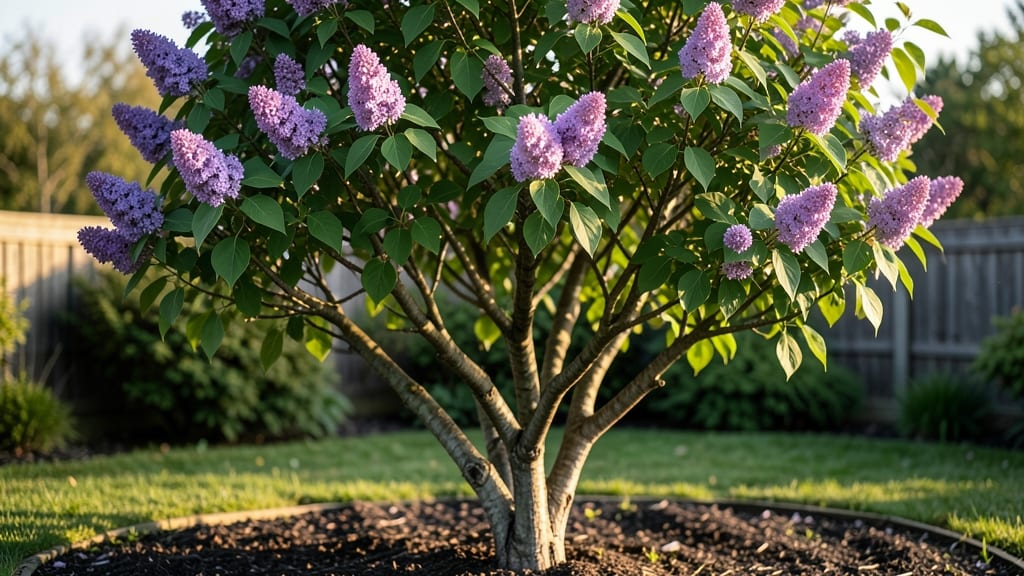
A lilac tree how tall does a lilac tree grow at maturity can vary dramatically between 8 and 15 feet, depending on the variety and care you give it 🌸—but that range can shrink dramatically if you choose a dwarf cultivar or prune it regularly.
If you're dreaming of fragrant spring blooms but wondering whether a lilac tree will tower over your backyard—or fit perfectly in a small garden—you’re not alone. The right variety can turn a 6-foot hedge into a statement border or a 15-foot privacy screen in just a few years.
Most lilacs grow about 12 to 24 inches per year, so their height is as much about time as it is about genetics. Pruning after flowering keeps them in check, while neglect can lead to leggy, overgrown shrubs that lose their charm.
Below, I’ll break down the height ranges of popular varieties, how to control growth with pruning, and which dwarf types are perfect for tight spaces—so you can pick the perfect lilac for your garden’s style and size.

Lilac tree height by popular varieties: from dwarf to giant sizes
Choosing the right lilac variety starts with understanding their mature heights. Whether you have a small urban garden or a spacious backyard, there’s a lilac to fit your space.
The most common lilac, Syringa vulgaris, typically reaches 8 to 15 feet tall, but varieties like Miss Kim stay compact at just 3 to 5 feet. Let’s explore the spectrum so you can pick the perfect fragrant addition to your landscape.
Lilacs aren’t just about height—their spread and growth habits matter too. Some varieties grow wider than they do tall, making them ideal for hedges or borders, while others have a more upright form, perfect for privacy screens.
The table below breaks down popular lilac varieties by their mature height, spread, and blooming season to help you visualize their place in your garden.
For small spaces, dwarf varieties like Miss Kim or Little Leaf are game-changers. They thrive in containers or along patio edges, filling your garden with fragrance without overwhelming it.
Their compact growth also makes them easier to maintain, as they require less aggressive pruning. If you’re working with a tight urban garden, these lilacs are my top recommendations.
On the other hand, if you’re designing a privacy screen or a woodland garden, taller varieties like President Lincoln or Charles Joly will deliver dramatic results. These lilacs can grow 10 to 15 feet tall, creating a lush, fragrant barrier that also attracts pollinators.
Just be prepared for their wider spread, which can reach up to 12 feet, so plan your planting space accordingly.
Don’t overlook Korean lilacs either—they’re a fantastic middle-ground option. With heights of 6 to 8 feet, they’re versatile enough for foundation plantings or mixed borders. Plus, they bloom earlier than common lilacs, giving you extra spring color.
Their semi-dwarf size makes them a favorite for gardeners who want height without the maintenance of a full-sized tree.
When choosing a lilac, consider your local climate too. Lilacs thrive in USDA Zones 3 to 7
How fast do lilac trees grow? Pruning tips to control height and shape
Lilac trees are one of the fastest-growing shrubs in many gardens, typically adding 12 to 24 inches per year under ideal conditions. This means a 3-foot lilac can reach 6 to 8 feet in just 3 to 4 years, making them a quick addition to your landscape.
However, their growth rate depends heavily on factors like soil quality, sunlight exposure, and water availability.
If you're planning to incorporate lilacs into your garden design, understanding their growth habits helps you prepare for their mature size. Standard varieties like Syringa vulgaris can reach 8 to 15 feet tall, while dwarf cultivars stay between 3 to 5 feet.
The key to managing their height lies in proper pruning techniques, which we’ll explore next.
⚠️ Watch Out for Over-Pruning!
Lilacs bloom on old wood, meaning last year’s growth produces this year’s flowers. Pruning too late (after July) or too aggressively can reduce next year’s blooms. Always prune right after flowering to encourage new growth while preserving flower buds.
To control your lilac’s height, start by pruning in early spring or right after blooming. Use clean, sharp pruning shears to cut back 1/3 of the oldest stems at the base.
This encourages bushier growth and prevents the tree from becoming leggy. For taller varieties, focus on removing suckers at the base and thinning out overcrowded branches to improve airflow.
For a more compact shape, try heading back branches by cutting just above a leaf bud. This method stimulates lateral branching and keeps your lilac from growing too tall.
Remember, lilacs respond well to regular pruning, so a little maintenance each year will keep them looking their best without sacrificing next year’s fragrant blooms.
If you’re working with a dwarf lilac variety, like Miss Kim or Little Leaf, pruning is less critical but still beneficial. A light trim after flowering keeps these varieties neat and manageable, especially in container gardens or small yards.
Always use sterilized tools to prevent disease spread, and avoid heavy pruning that could stress the plant.
One common mistake is pruning lilacs too late in the season. Since they bloom on old wood, cutting back in late summer or fall removes next year’s flower buds.
Instead, plan your pruning for late winter or early spring when the plant is still dormant but before new growth begins. This timing ensures you preserve blooms while still shaping your lilac.
With the right approach, you can enjoy lush, fragrant lilacs that fit perfectly in your garden, whether you’re aiming for a privacy screen or a small foundation planting. Regular pruning not only controls height but also keeps your lilac healthy and vibrant for years to come. 🌸