
How Tall Do Lime Trees Grow: Variety-Specific Heights & Growth Tips

How To

How Tall Do Lime Trees Grow: Variety-Specific Heights & Growth Tips

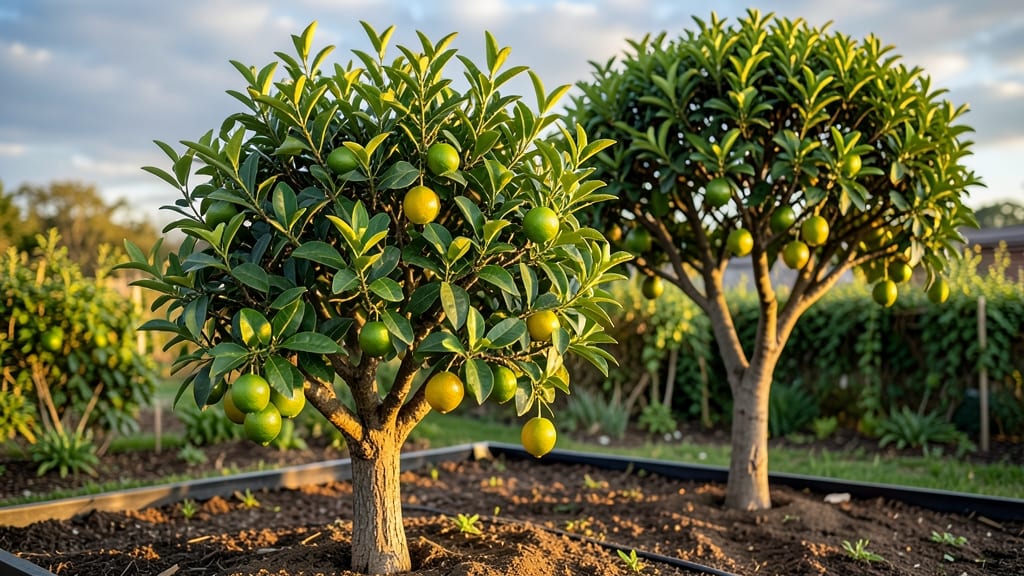
A lime tree 🍋 can grow anywhere from 8 feet to towering 30 feet tall, depending on the variety and how you care for it—and that height difference changes everything about where you plant it.

Picture this: a dwarf Persian lime perched on your patio, its branches within arm’s reach, while a standard Mexican lime stretches toward your roof, casting shade over the entire backyard. The right choice makes all the difference, whether you’re working with a postage-stamp urban yard or a sprawling rural plot.

Below, we break down the exact mature heights of 8 common lime varieties, how fast they grow each year, and the simple pruning tricks to keep them at your ideal size—no matter how much space you have (or don’t have).

You’ll also discover the 5 biggest factors that secretly control how tall your lime tree becomes, from soil type to sunlight tricks that can shave years off its growth timeline. Ready to plan your citrus oasis?

Lime Tree Height Range
15 ftto30 ft
0 ft 3 ft 6 ft 9 ft 12 ft
🌱 Tall Tree

Lime tree height by variety: from dwarf to towering giants

Choosing the right lime tree variety is like picking your dream backyard neighbor—some are towering giants that need space to stretch their branches, while others stay compact enough to thrive in containers on your patio.

The height of a lime tree depends entirely on the variety, with mature sizes ranging from 8 feet to a staggering 30 feet. Whether you're planning a citrus grove or a small-space garden, knowing these differences will help you select the perfect fit for your landscape.

Lime trees grow at different rates too, so timing is everything. A dwarf variety might reach its mature height in just 3-5 years, while a standard tree could take a decade or more to fully establish itself.

Understanding these growth patterns helps you anticipate when your tree will need pruning, staking, or even relocation to accommodate its expanding roots and canopy.

Variety Mature Height Growth Rate (per year) Best For Notes
Key Lime (Citrus aurantifolia) 15–20 ft 12–24 in Landscapes, tropical climates Slow to fruit; needs warm winters
Persian Lime (Citrus latifolia) 15–25 ft 18–30 in Large gardens, commercial use Large fruit; needs space
Mexican Lime (Citrus aurantifolia) 10–15 ft 10–18 in Containers, patios, small yards Dwarf varieties available
Tahiti Lime (Citrus latifolia) 12–18 ft 12–20 in Medium spaces, urban gardens Thicker skin; great for juicing
Dwarf Mexican Lime (Citrus aurantifolia 'Mexican Dwarf') 8–12 ft 6–12 in Containers, balconies, small yards Ideal for indoor/outdoor growing
Bearss Lime (Citrus latifolia 'Bearss') 20–30 ft 24–36 in Large estates, commercial orchards Seedless; needs pruning
Semi-Dwarf Persian Lime (Citrus latifolia 'Semi-Dwarf') 12–18 ft 12–20 in Medium yards, patio edges Balanced size for home gardens

How to control lime tree height through pruning & training

Once you’ve picked your lime tree variety, the next step is shaping its growth to fit your space. Pruning isn’t just about trimming branches—it’s about training your tree to stay at your desired height while keeping it healthy and productive. The key is timing, technique, and knowing when to stop.

For example, a dwarf Mexican lime in a container needs gentle pruning to encourage bushiness, while a Persian lime in your backyard might need aggressive shaping to prevent it from shading your patio.

Most lime trees grow fastest in spring and summer, so that’s when you’ll do the bulk of your pruning. However, light pruning can happen year-round to maintain shape or remove dead branches.

The goal is to redirect energy toward fruit production rather than vertical growth, especially if you’re growing in a container where space is limited. Remember, lime trees hate drastic pruning—never remove more than 25% of the canopy at once, or you risk stunting fruit production.

  1. 1 Choose the right tools: Use sterilized bypass pruners for clean cuts and a sharp saw for thicker branches. Disinfect tools with rubbing alcohol to prevent disease.
  2. 2 Prune in late winter/early spring: This is the best time to shape your tree before new growth begins. Remove dead or crossing branches first to improve airflow.
  3. 3 Use the "open-center" method for container trees: Remove branches from the center of the tree to encourage outward growth. Aim for a rounded shape to maximize sunlight exposure.
  4. 4 Pinch back new growth in summer: For compact growth, pinch off the tips of new shoots when they’re 6-8 inches long. This encourages bushier growth instead of vertical spikes.
  5. 5 Avoid topping: Never cut the top of the tree like a hedge—this creates weak, stubby growth and stresses the plant. Instead, make cuts just above a leaf node or branch collar.
  6. 6 Fertilize after pruning: Apply a balanced citrus fertilizer (6-6-6 NPK) to help the tree recover. This is especially important for container-grown trees, which need extra nutrients.

If you’re growing a lime tree in a container, height control becomes even more critical. Root-bound trees grow faster and taller because they’re stressed—so repot every 2-3 years into a slightly larger container (just 2-4 inches wider).

This slows vertical growth while encouraging a fuller canopy. For landscape trees, focus on structural pruning to maintain an open center and prevent branches from rubbing together, which can create wounds and invite pests.

One common mistake is pruning too late in the season. If you cut back in fall or winter, new growth may not harden off before cold weather hits, leaving your tree vulnerable to frost damage. Always prune at least 4-6 weeks before the first frost in your area.

And remember: patience is key. A well-pruned lime tree will reward you with more fruit and better shape over time—just don’t rush the process.

For fruit production, avoid heavy pruning during flowering or fruiting seasons. Instead, do most of your shaping in late winter when the tree is dormant. This ensures you’re not removing potential fruit-bearing branches.

With the right approach, you can keep your lime tree at your ideal height—whether that’s a 6-foot patio tree or a 12-foot backyard centerpiece—without sacrificing luscious, juicy limes.

★★★★★4.5(3 reviews)
Categories How To