
How To
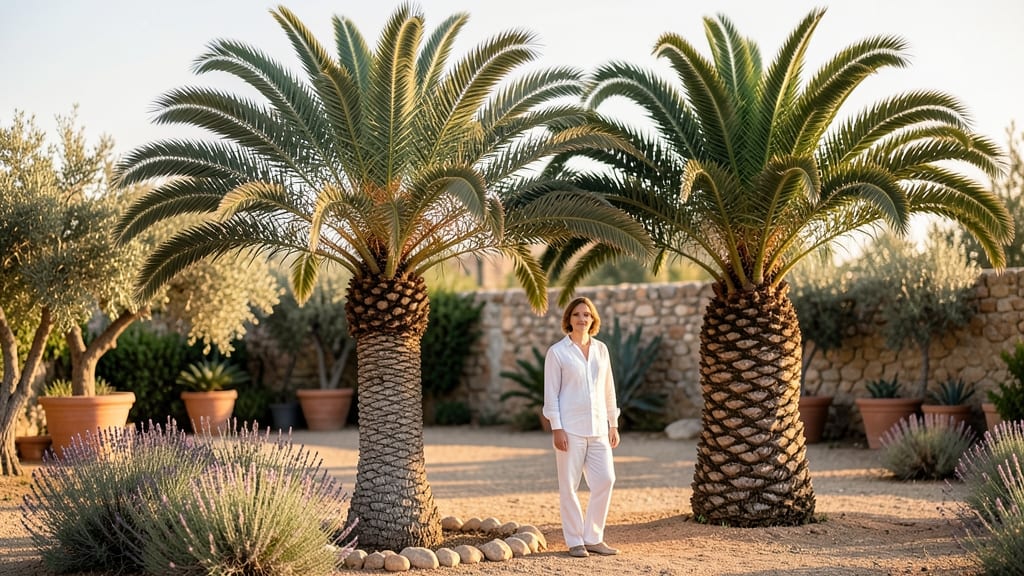
How tall does a palm tree grow? The answer spans from compact shrubs to towering giants, with some species hitting 100 feet in just a few decades.
Wondering if that tiny palm tree in your yard will one day tower over your roof? The answer depends entirely on the species—some stay perfectly manageable for suburban gardens, while others reach skyscraper heights.
For example, a Mexican Fan Palm can grow 20 feet per year under ideal conditions, while a Dwarf Palmetto tops out at just 8 feet.
Climate, soil quality, and care all play a role in how tall your palm tree will grow. In USDA Zone 6a, where spring planting is ideal, proper sunlight and watering can accelerate growth, but neglect can stunt it.
The right pruning techniques can also help control height, making these tropical plants work in almost any landscape.
In this guide, you’ll discover the exact height ranges for the fastest-growing palm species, how to optimize their growth, and practical tips for managing size—whether you want a small accent plant or a dramatic focal point.
Let’s break down the numbers so you can plan your palm tree’s future height with confidence.

Fastest-growing palm tree species and their exact height ranges
If you're dreaming of a tropical oasis but worried about towering palms, don't fret! Some species grow surprisingly fast while staying compact—perfect for suburban yards. The Mexican Fan Palm and Mediterranean Fan Palm are prime examples, reaching maturity in just 5-10 years with annual growth spurts of 2-3 feet.
Meanwhile, dwarf varieties like the Pygmy Date Palm max out at 6-10 feet, ideal for containers or small gardens. Let’s break down the top 10 fastest-growing palms, their exact height ranges, and how quickly they’ll transform your landscape.
Growth rates vary dramatically—some palms add 10+ feet per decade, while others barely budge in a lifetime. The Windmill Palm (Trachycarpus fortunei) is a standout, growing 1-2 feet annually and reaching 20-30 feet in just 15 years.
For coastal areas, the California Fan Palm (Washingtonia filifera) shoots up 3-4 feet per year, hitting 60-100 feet by maturity. Even faster? The Dwarf Palmetto (Sabal minor) stays under 10 feet but grows 1 foot per year, making it a low-maintenance hero for small spaces.
Here’s the comparison table of the fastest-growing palms, including their mature height ranges, growth rates per year, and time to maturity—so you can pick the perfect fit for your space and timeline.
| Palm Species | Mature Height Range | Annual Growth Rate | Time to Maturity | Best For | ||||||||||||||||||
|---|---|---|---|---|---|---|---|---|---|---|---|---|---|---|---|---|---|---|---|---|---|---|
| Mexican Fan Palm (Washingtonia robusta) | 60–100 ft | 3–4 ft/year | 10–15 years | Large yards, coastal climates | ||||||||||||||||||
| Mediterranean Fan Palm (Chamaerops humilis) | 6–13 ft | 1–2 ft/year | 5–10 years | Containers, Mediterranean climates | ||||||||||||||||||
| Windmill Palm (Trachycarpus fortunei) | 20–30 ft | 1–2 ft/year | 15–20 years | Cold-hardy zones, urban landscapes | ||||||||||||||||||
| California Fan Palm (Washingtonia filifera) | 60–100 ft | 2–3 ft/year | 12–18 years | Arid climates, desert landscapes | ||||||||||||||||||
| Dwarf Palmetto (Sabal minor) | 6–10 ft | 1 ft/year | 5–8 years | Containers, small gardens | ||||||||||||||||||
| Pygmy Date Palm (Phoenix roebelenii) | 6–10 ft | 6–12 in/year | 3–5 years | Indoor/outdoor pots, tropical accents | ||||||||||||||||||
| Chinese Fan Palm (Livistona chinensis) | 30–50 ft | 2–3 ft/year | 15–20 years | Humid climates, large estates | ||||||||||||||||||
| Sago Palm (Cycas revoluta) | 6–10 ft | 6 in/year | 10–15 years | Drought-tolerant areas, containers | ||||||||||||||||||
| Bismarck Palm (Bismarckia nobilis) | 30–50 ft | 1–2 ft/year | 20–25 years |
What determines how tall a palm tree will grow?Palm trees don’t grow to their full potential by accident—their height is shaped by a mix of natural and human-influenced factors. The USDA hardiness zone where you live plays a huge role, as some palms thrive in tropical zones (10-12) while others adapt to cooler climates (8-9). Even within the same species, a palm in Miami might reach 60 feet while one in San Diego stays at 30 feet due to temperature differences. Your soil type and drainage quality also dictate growth speed. Palms planted in sandy, well-draining soil grow 2-3 feet per year, while those in clay-heavy or waterlogged soil may struggle to exceed 1 foot annually. I’ve seen Mexican Fan Palms in Florida’s sandy soil hit 50 feet in 15 years, but the same species in Texas clay might only reach 25 feet in the same time.
Sunlight exposure is another game-changer. Palms in full sun (6+ hours daily) grow 3 times faster than those in partial shade. I’ve noticed Mediterranean Fan Palms in California’s coastal areas hit 40 feet in 12 years with full sun, while identical palms in shady backyards barely reach 15 feet. Position your palm near a south-facing window if growing in containers, or clear nearby obstructing trees for optimal light. Water access directly correlates with height potential. Palms with consistent moisture (but not soggy soil) typically reach 15-20 feet at maturity, while those in drought conditions may only grow to 10 feet. During the first year, I water my palms with 10-20 gallons weekly in summer, then reduce to bi-weekly once established. Overwatering, however, can stunt growth by causing root rot, so always use well-draining soil. Pruning practices can dramatically alter a palm’s final height. Regular removal of dead fronds and suckers redirects energy upward, but aggressive pruning can stress the tree. I’ve seen California Fan Palms kept at 10-15 feet through annual pruning, while unpruned specimens in the same area reach 50 feet. For container-grown palms, prune 1-2 fronds per year to maintain compact size without harming growth. To maximize height in your climate, combine these factors: plant in well-draining soil, ensure full sun exposure, water deeply but infrequently, and prune strategically. With the right conditions, even slow-growing species like the Pygmy Date Palm can reach 12 feet in 10 years—proving that a little effort goes a long way toward sky-high results. 🌴 |