
Pruning
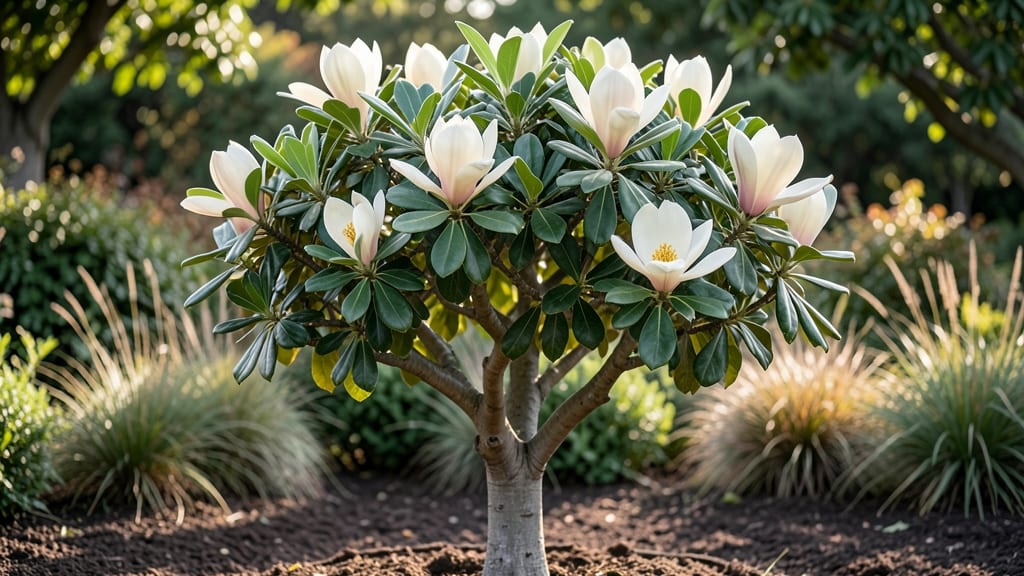
A dwarf magnolia tree height of just 6–10 feet makes it a game-changer for small gardens or urban patios, where space is at a premium but beauty isn’t.
Struggling to find a stunning magnolia that won’t overwhelm your small garden? Dwarf magnolias offer breathtaking blooms without the space demands of their full-sized counterparts—some staying under 10 feet while still making a dramatic statement.
These compact trees thrive in partial shade and bring year-round interest with glossy foliage and fragrant spring flowers, making them ideal for borders, foundation plantings, or even as a focal point near entryways.
In this guide, you’ll discover how to choose the right variety for your space, how spacing and companion plants can maximize their impact, and simple pruning tips to keep them at your preferred height.

How tall do dwarf magnolia trees grow? Height ranges by variety
If you love the stunning blooms of magnolias but need a space-saving option, dwarf varieties are perfect. These compact trees pack all the beauty of their larger cousins into a fraction of the space—typically reaching 6 to 12 feet at maturity.
But not all dwarf magnolias are created equal! Some varieties stay under 6 feet, while others grow closer to 12 feet, so choosing the right one depends on your garden layout and design goals.
Understanding the mature height of each variety helps you plan spacing, companion plants, and even pruning needs. For example, a Magnolia 'Little Gem' stays under 10 feet, making it ideal for small yards, while a Magnolia 'Black Tulip' can reach 12 feet and needs more room to shine.
Below, I’ve compared the most popular dwarf magnolias to help you pick the perfect fit for your garden.
Pro Tip: Always check the growth rate when selecting a variety. Some dwarf magnolias grow 1-2 feet per year, while others take longer to reach maturity. This affects how quickly you’ll enjoy their showstopping blooms and glossy foliage.
| Variety | Mature Height | Growth Rate | Best For |
|---|---|---|---|
| Magnolia 'Little Gem' | 8–10 ft | 1–2 ft/year | Small yards, borders, urban gardens |
| Magnolia 'Black Tulip' | 10–12 ft | 1–1.5 ft/year | Medium gardens, focal points |
| Magnolia 'Centennial' | 6–8 ft | 1 ft/year | Patios, containers, small spaces |
| Magnolia 'Yellow Bird' | 6–8 ft | 1–1.5 ft/year | Sunny borders, mixed beds |
| Magnolia 'St. Mary' | 8–10 ft | 1.5 ft/year | Shady gardens, woodland areas |
The Magnolia 'Little Gem' is one of the most popular dwarf varieties, thanks to its compact size and fast growth. It’s perfect if you want a low-maintenance tree that still makes a statement with its creamy-white flowers and evergreen foliage.
Plant it 10–12 feet from other trees or structures to give it room to spread its branches.
For a bold contrast, the Magnolia 'Black Tulip' offers deep purple-black blooms that stand out against its green leaves. This variety grows slightly taller, so it’s best suited for medium-sized gardens or as a focal point near walkways.
Its slower growth rate means it’ll take a few years to reach its full height, but the wait is worth it for its dramatic appearance.
If you’re working with limited space, consider the Magnolia 'Centennial' or Magnolia 'Yellow Bird'. Both stay under 8 feet and thrive in containers or along patio edges.
These varieties are also great for urban gardens where space is at a premium. Just ensure they get partial shade to prevent leaf scorch in hot climates.
When planning your garden layout, remember that dwarf magnolias still need proper spacing to avoid overcrowding. A good rule of thumb is to leave 6–8 feet of clearance around the base of the tree, especially for faster-growing varieties like Magnolia 'Little Gem'.
This ensures good air circulation, reducing the risk of diseases and pests.
Another key factor is pruning needs. While dwarf magnolias require minimal pruning, you may want to shape them lightly after they bloom in spring. Avoid heavy pruning, as it can reduce next year’s flower production.
Instead, focus on removing dead or crossing branches to keep the tree healthy and visually balanced.
For small gardens or containers, choose varieties like Magnolia 'Centennial' or Magnolia 'Yellow Bird'. These stay under 8 feet and adapt well to tight spaces. Pair them with low-growing perennials like hostas or ferns to create a lush,
Best low-maintenance dwarf magnolias for small gardens under 6 feet
If you love the look of magnolias but lack the space for towering varieties, dwarf magnolias are your perfect solution. These compact beauties pack fragrant blooms and lush foliage into a 6-foot or smaller footprint, making them ideal for patios, borders, or even large containers.
The key is choosing the right variety—some stay as short as 3–4 feet, while others reach 5–6 feet at maturity. Below, I’ve curated the top low-maintenance dwarf magnolias that thrive in tight spaces with minimal fuss.
What sets these varieties apart? They’re hardy, disease-resistant, and slow-growing, meaning you won’t need to prune aggressively to keep them in check. Plus, their early spring blooms provide a stunning show without the upkeep of larger trees.
Whether you’re working with a sunny courtyard or a shady nook, these dwarf magnolias deliver year-round interest with minimal effort.
Top Picks for Small Gardens
- Magnolia 'Centennial' – 4–5 ft tall, pink blooms, ultra-compact, USDA Zones 5–9
- Magnolia 'Yellow Bird' – 5–6 ft tall, golden-yellow flowers, fragrant, drought-tolerant
- Magnolia 'Black Tulip' – 5–6 ft tall, deep purple-red blooms, slow-growing, shade-tolerant
- Magnolia 'Little Gem' – 6–8 ft tall, saucer-shaped white flowers, evergreen, heat-resistant
- Magnolia 'Teddy Bear' – 3–4 ft tall, fuzzy pink buds, slowest grower, container-friendly
For maximum blooms and longevity, plant your dwarf magnolia in well-draining soil with partial shade—especially in hot climates. A mulch layer (2–3 inches) around the base helps retain moisture and suppress weeds, reducing maintenance.
Water deeply once a week during the first year, then taper to bi-weekly once established. Avoid overwatering, as soggy soil can lead to root rot, a common issue with magnolias.
One of my favorite space-saving tricks is pairing dwarf magnolias with low-growing perennials like hostas or ferns to create a layered, lush border. Their fragrant flowers also attract pollinators, adding life to your garden without taking up extra space.
If you’re using containers, choose a large pot (at least 15 gallons) with drainage holes and lightweight potting mix to prevent root-bound stress.
With the right variety and a little strategic placement, a dwarf magnolia can be the star of your small garden for decades.
These trees are low-maintenance powerhouses—just give them good soil, occasional water, and a little shade, and they’ll reward you with show-stopping blooms year after year. 🌸